


- Pollution Monitoring Equipments
- Aggregate Testing
- Bitumen Bituminous Mix Testing
- Cement Testing
- Concrete Testing
- General Laboratory Equipments
- Metallurgical Laboratory Equipments
- Petroleum Product Testing Equipments
- Plastic Testing Equipments
- Special Equipments
- Soil Testing
- Materials Strength Testing
- Surveying
- Civil Engineering Testing Instruments - Soil Testing Instruments
- Civil Engineering Testing Instruments - Cement Testing Instruments
- Civil Engineering Testing Instruments - Aggregate Testing Instruments
- Civil Engineering Testing Instruments - Bitumen Testing Instruments
- Civil Engineering Testing Instruments - Concrete Testing Instruments
EIE Instruments Private Limited products
Cement Testing
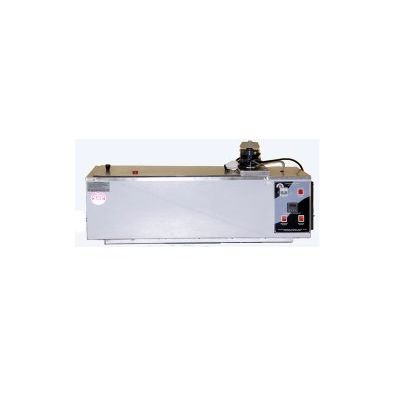
Accelerated Curing Tank
The strength of concrete is generally estimated after 28 days by crushing field test cubes or cylinders made from the representative concrete used for the structure. The utility of ascertaining strength after 28 days is often questioned since by this time considerable concrete would have been placed and work may have progressed. It is then rather too late for remedial measures. It is therefore of tremendous advantage to predict 28 days strength within a few hours of casting the concrete so that, we have a good idea about the strength of the concrete.
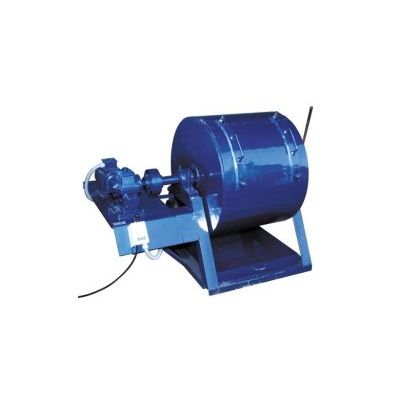
Ball Mill for Cement Testing
Consist of a drum made of welded steel having an inside diameter of 300mm x 300mm long. Supported on heavy duty bearings. A reduction gear driven by a motor rotates the ball mill at 28-30 PM. Supplied complete with 12-19mm dia steel balls and revolution Counter. OR Same as above but drum size 450 x 450 mm.
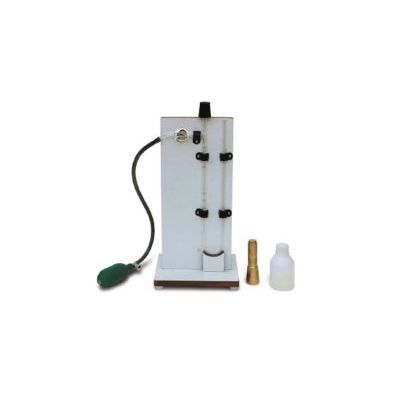
Blain Air Permeability Apparatus
The fineness of cement has a significant effect in its physical properties when used in concrete. Generally the finer the cement powder, the more rapid the concrete will set, as there is an increase in its surface area. The measure of fineness is usually undertaken by sieving, and the result assessed against the cement standard for compliance.