


- Pollution Monitoring Equipments
- Aggregate Testing
- Bitumen Bituminous Mix Testing
- Cement Testing
- Concrete Testing
- General Laboratory Equipments
- Metallurgical Laboratory Equipments
- Petroleum Product Testing Equipments
- Plastic Testing Equipments
- Special Equipments
- Soil Testing
- Materials Strength Testing
- Surveying
- Civil Engineering Testing Instruments - Soil Testing Instruments
- Civil Engineering Testing Instruments - Cement Testing Instruments
- Civil Engineering Testing Instruments - Aggregate Testing Instruments
- Civil Engineering Testing Instruments - Bitumen Testing Instruments
- Civil Engineering Testing Instruments - Concrete Testing Instruments
EIE Instruments Private Limited products
Plastic Testing Equipments
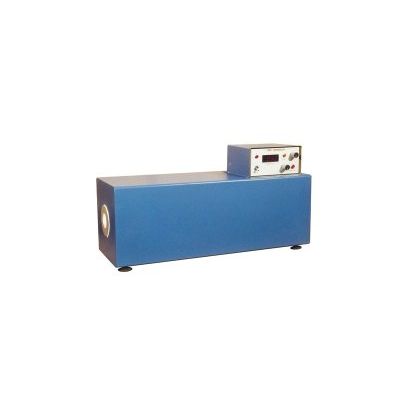
Carbon Black Content Apparatus
Carbon Black is one of the most important filler in plastics materials. It not only acts as pigment but also as an UV absorber. However the level of addition of this filler influences the plastics behaviour a lot and hence requires to be well controlled. This is major reason of determining the percentage of it in given polymer mass. This is particularly more effective in polyolefins and polythylenes in particular. The method consists of pyrolysing the sample in an inert atmosphere and considering the gravimetric difference. Compact furnace with double thermal insulation for the best operator ease. Alongwith are best quality galsswares for longer durability but with easy availability. The thermal glasswares are fine quality imported high temperature quartz glass. The heaters are custom made for better reliability and longer life. They are made from best quality alloys to avoid premature fusions.
Environmental Stress Cracking Tester
The Environmental stress cracking tester for cables is designed to test for cracking of polyethylene insula- tion or sheath of electric cables due to enviromental stresses on them.
Vicat Softerning Apparatus
Vicat softening temperature of plastics is the temperature at which a standard flat ended indenter penetrates one millimeter into the surface of the material under test under a specified load.The test is conducted by placing a test specimen taken from the sample under test on a flat platform inside a liquid bath and applying compression load over its upper face through a flat ended indenter.The load is applied by placing dead weights on the upper end of the indenter.