


European Commission, Joint Research Centre (JRC) news
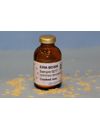
Cereulide is a cyclic peptide released from Bacillus cereus bacteria which are ubiquitous in the environment. The toxin is very resistant to heat treatment, proteolytic digestion and pH changes. Starch-rich foods such as rice and pasta are often sources of food-poisoning outbreaks (FPOs) caused by cereulide. Several hundred Bacillus cereus toxin-related FPOs were reported in the EU and Norway in 2023; several thousands of persons were concerned, with 101
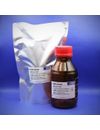
The wine industry faces significant threats from authenticity, adulteration and fraud, particularly through the illicit addition of exogenous sugars to grape must to artificially boost alcohol content. However, stable isotope ratio analysis (SIRA) techniques, including nuclear magnetic resonance (SNIF-NMR) and isotope ratio mass spectrometry (IRMS), offer a powerful means of detecting such adulterations. By combining these techniques, researchers can determine the botanical and geographic

We are proud to announce that the Joint Research Centre has launched a new online catalogue for our certified reference materials!
HOME | Certified Reference Materials catalogue of the JRC: https://crm.jrc.ec.europa.eu/
Please check it out to discover the latest news, order information as well as product information of the reference materials.
Certificates and certification reports can be fo
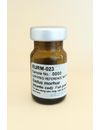
The JRC produced a CRM, EURM®-023, a dried fish powder for the species Gadus morhua (Atlantic cod) to help fighting food fraud. This CRM allows verifying correct labelling of fresh fish and fish products, following Regulation (EU) No 1379/2013.
Fish food fraud, explicitly seafood substitution and mislabelling, has economic and potential health consequences and additionally undermines fish stock conservation efforts. For example, it involves deli
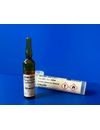
Authenticity, adulteration and fraud are significant challenges for the wine sector. The addition of exogenous sugar to grape must to raise the alcohol content after fermentation, may lead to illegal practices and fraud. However, such adulterations are detectable by a combination of analytical techniques based on stable isotope ratio analysis (SIRA). Among them, nuclear magnetic resonance (SNIF-NMR) and isotope ratio mass spectrometry (IRMS) are capable to determine different parameters in et
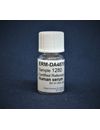
The JRC has developed, ERM-DA487/IFCC, a new certified reference material with universal characteristics to boost accuracy in coeliac disease testing, leading to better diagnosis and treatment for patients.
The challenge of diagnosis
Coeliac disease diagnosis relies on the accurate measurement of biomarkers, such as specific antibodies (called anti-tTG antibodies) found in blood. Despite
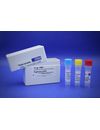
Following the mad cow disease or Bovine Spongiform Encephalopathy (BSE) a total feed ban of processed animal proteins (PAP) was introduced. Twenty years later, Commission Regulation (EU) No 2021/1372 allowed the use of PAPs derived from non-ruminant farmed animals as protein source for other non-ruminant animals. To enable the monitoring of the origin of proteins, the JRC released a new certified reference material (CRM) ERM-AD482k.
The European Union Reference Laboratory for
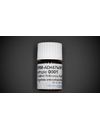
From routine blood tests to early disease detection, clinical reference materials are essential to timely and accurate diagnoses. The JRC has now developed ERM-AD457k/IFCC, a new certified reference material (CRM) for aspartate transaminase (AST), an enzyme found in the liver, kidneys, muscles, and heart. Elevated levels of AST in blood tests are associated with several liver disorders including hepatitis, fatty liver disease and liver cancer.
Liver disorders are a significant public h
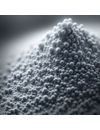
Scientists from the European Commission’s Joint Research Centre (JRC) have taken a significant step towards improving the safety of consumer products containing nanomaterials with the release of two new certified reference materials (CRMs) for nanomaterial testing. These CRMs, specifically titanium dioxide (ERM-FD104) and barium sulfate (ERM-FD105) powders will enable laboratories to reliably identify nanomaterials, a crucial step in implementing the European Union’s regulatory fr
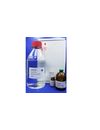
The JRC announces the release of the new reference material (RM) EURM®-060 for the analysis of microplastic particles in water. This RM addresses the need of microplastics monitoring as outlined in the EU Drinking Water Directive.
Microplastic particles (so-called microplastics) are ubiquitous in every part of our natural environment – air, water, land. They have been detected in the drinking water, food, plants, even our bodies. They are rel