


- Home
- Companies
- Excal Visual, Inc.
- Training
Excal Visual, Inc. training
Spill Response
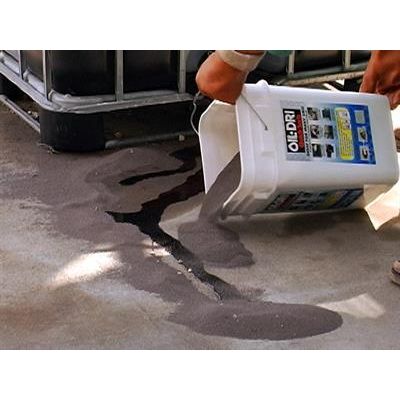
Spills & Skills, Non-Emergency HazMat Spill Response Training
This 18 minute video training kit is designed to help train non-HAZWOPER employees on dealing with a hazardous material (or hazardous waste) spill, leak or release. What to do if you discover a hazmat release? How to determine if the release requires HAZWOPER-trained responders or not? If it is a hazmat emergency release (HAZWOPER event), what to do then? If it is non-HAZWOPER (an 'incidental release'), the discreet steps involved to clean it up. The 'step-across' test. PPE needed. The clean-up supplies and equipment you should expect to find in the spill locker. Different styles of absorbent (loose, pads, pillows, socks) and how to use each. How to use all the equipment and supplies safely and effectively. How to manage the clean-up wastes. Post-clean-up measures.
HazMatters - First Response to a Hazardous Substance Emergency Video Training Kit
“HazMatters” is a video training kit that helps train employees on OSHA’s Hazardous Waste Operations and Emergency Response (HAZWOPER): First Responder Awareness Level regulation and on key aspects of DOT’s Hazardous Materials regulation. The video follows the actions of a first responder awareness level worker through his response to a hazardous substance release. Features the 2008 DOT Emergency Response Guidebook.
True Cost, The Ripple Effect of a Chemical Spill
The effects of a chemical spill are many and far-reaching -- work time and resources wasted, production delays, administrative burdens and the hassles and disruptions to employees work and personal lives. All these are illustrated in this video to help an employee understand the true cost of even a relatively small spill or release of a hazardous substance.
DOT HazMat
DOT HazMat - General Awareness/Familiarization & Security Awareness Training Kit
Since the adoption of the Global Harmonization Systems (GHS), the regulations governing the transport of hazardous materials have undergone numerous changes. DOT/Pipeline and Hazardous Materials Safety Administration (DOT/PHMSA) regulations (49 CFR 172.704) require that all `hazmat employers` train their `hazmat employees` on four different areas: General Awareness/Familiarization, Safety, Job Specific and Security Awareness. The General Awareness training has been directly affected by GHS. DOT HazMat General Awareness/Familiarization provides up-to-date, concise training to help satisfy the General Awareness requirement.
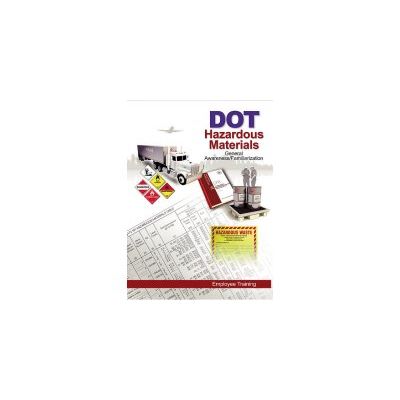
DOT HazMat - General Awareness/Familiarization Training Course
Since the adoption of the Global Harmonization Systems (GHS), the regulations governing the transport of hazardous materials have undergone numerous changes. DOT/Pipeline and Hazardous Materials Safety Administration (DOT/PHMSA) regulations (49 CFR 172.704) require that all `hazmat employers` train their `hazmat employees` on four different areas: General Awareness/Familiarization, Safety, Job Specific and Security Awareness. The General Awareness training has been directly affected by GHS. DOT HazMat General Awareness/Familiarization provides up-to-date, concise training to help satisfy the General Awareness requirement.
Environmental Awareness Training
Environmental Responsibility and Management Systems
Employees learn why regulations exist and which regulations have particular impacts on American industry. Employees are shown how an EMS works and how conformance with EMS requirements ensures compliance with regulations and improvement in environmental protection.
Environmental Responsibility and Management Systems
This training kit is aimed at employees and contractors at facilities regulated under any environmental regulation rule. It promotes a sense of responsibility for environmental compliance and includes regulations such as the Clean Water Acts, Clean Air Acts and RCRA/CERCLA/SARA. Employees learn why regulations exist and which regulations have particular impacts on American industry. Employees are shown how an EMS works and how conformance with EMS requirements ensures compliance with regulations and improvement in environmental protection.
GHS Hazard Communication
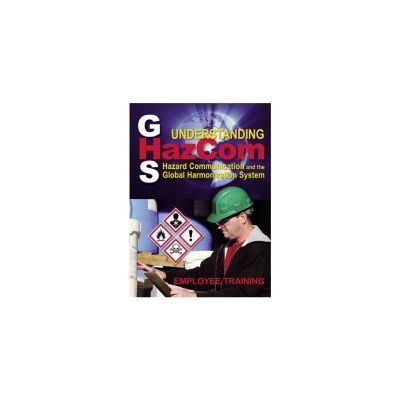
Understanding GHS HazCom - 2-video Training Kit
The deadline for OSHA Hazard Communication regulated facilities to train their employees on the changes that GHS brings to hazard communications has passed (December 1, 2013). Now facilities are faced with ongoing HazCom compliance. OSHA recommends that facilities “offer two iterations of training." The first iteration has come and gone. The second is still looming. Understanding GHS HazCom is a 2-video training kit that helps regulated facilities meet the second iteration as well as continuing training beyond the final effective date (June 1, 2016). This kit handles both post-GHS (“Final Version”) and pre- and post-GHS (“Transition Version”) hazard communication so employers can show their employees either only the new or both the old and new configurations depending on when training is conducted.
Hazardous Waste Training

Hazardous Waste TODAY - Training Kit for LQGs, SQGs and VSQGs - EHS Training Video
The EPA issued some pretty extensive revisions to the federal Hazardous Waste Rule: the Resource Conservation and Recovery Act (RCRA). The revisions are contained in what is called the Hazardous Waste Generators Improvements Rule; which is considered to be a major change, with over 60 modifications in all.
Hazardous Waste Generators, LQG and SQG
This training kit contains one program for large quantity generators and another for small quantity generators. Both programs cover hazardous waste identification, generation processes, container labeling and handling, on-site accumulation, satellite accumulation, off-site shipping and emergency preparedness. Each kit also contains two SiteCast templates for site-specific training - one with slides only, another with integrated video.