

- Home
- Companies
- Ezra Terra, Inc
- Products
Ezra Terra, Inc products
Rheology
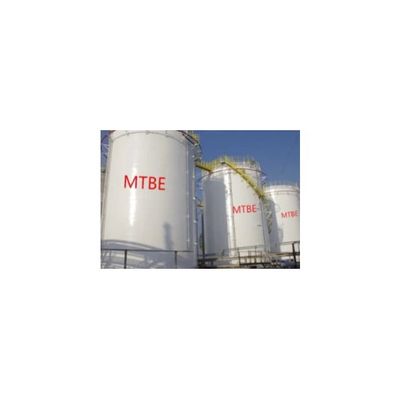
Remember Methyl Tertiary Butyl Ether (MTBE)
MTBE is a fuel oxygenate designed to reduce air pollution and replace lead in gasoline. MTBE was less than 3% of Gasoline by weight; Over 97% of gasoline formulations were hydrocarbons eluting between C-4 to C-12. Subsurface MTBE was easy to map because gasoline plumes were already mapped (LNAPL and associated BETX groundwater plumes). MTBE is like PFAS as PFAS is less than 1% of AFFF (PFAS stabilized formulation). Its far easier to map spilled AFFF to understand subsurface PFAS. AFFF was spilled, not individual PFAS compounds. Just like spilled gasoline containing MTBE. Rheological Assays are critical to the needs of Responsible Parties. Do not defend your work without a Rheological Assay. Be prepared with the entire data set not just a small portion of the data set.
Others
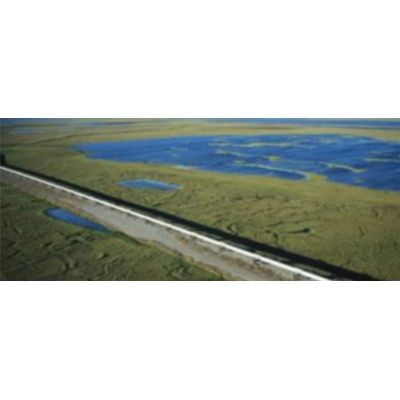
Permafrost Melt Protection
Our technology protects the permafrost; it also reduces the volume of gravel needed for new roads and facility pads resulting in significant cost savings. We use natural materials and the arctic environment to create an insulating layer to protect the new infrastructure from permafrost melt.
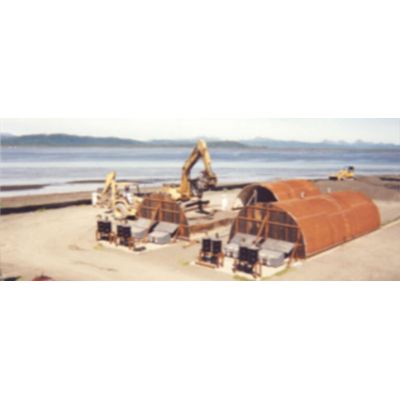
Permeation Bed Treatment Technology
The permeation bed treatment technology is an excavation equipment compatible device. Wheel loaders can freely enter the treatment chamber for loading and unloading the soil. The technology is a static pile arrangement using flameless heat sources. The soil is treated through drawing hot air from a permeation bed, which consists of a large rock bed heating through hot air injection. The rock bed stores the heat, which lowers energy costs.
Apatite Metal Stabilization Technology
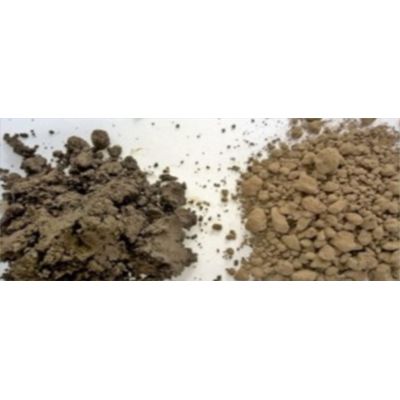
Ezraterra acquired the Apatite Metal Stabilization Technology to handle metal contaminated porous media (soil and sediment). The technology uses a proprietary process to chemically stabilize the metals in soil or sediment by bonding the metals to the soil or sediment. The process addresses the ability for the metals to leach from the soil. The EPA defines RCRA characteristic hazardous waste through a leaching analysis (TCLP). The Apatite metal stabilization treatment process will take elevated TCLP soils and render the soil non-hazardous, which allow the soils to be disposed at a non-hazardous waste landfill at significant cost savings.