

Fire & Gas Detection Solutions Limited services

Gas Detection Training Services
Gas Detection Basics: This course focuses on the principles of gas/vapour behaviour, the effects of gas build up, flammable and toxic detection levels, specific detectable gasses, and the detection techniques used. This provides a detailed understanding of gas detection.

Flame Detection Training Services
Flame Detection Basics: This course covers the properties of flammable materials, principles of flame behaviour, different types of fuels and classes of fire, specific detectable fuels and the detection techniques used, providing a understanding of flame detection.
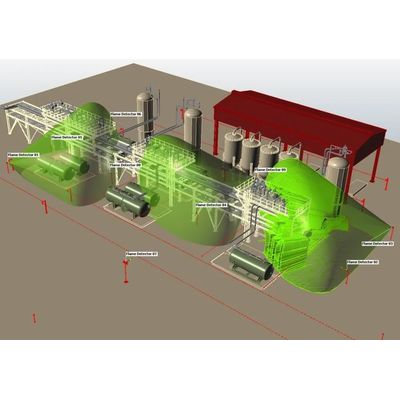
Fire & Gas Detector Mapping Services
FGDS computer modelling of Fire & Gas Detector selection, and placement, can optimise the number and position of detectors to increase plant safety, and provide enhanced detection coverage both Onshore and Offshore Installations. We can provide detailed indications of potential gas dispersion and movements over time from identified leakage points. The mapping study commences by assessing the risk and definition of the “detection target”, gas leak points are identified, and dispersion patterns plotted, fire zones are detailed and then the detector type and quantity evaluated to ensure suitable detector coverage throughout the area under review.
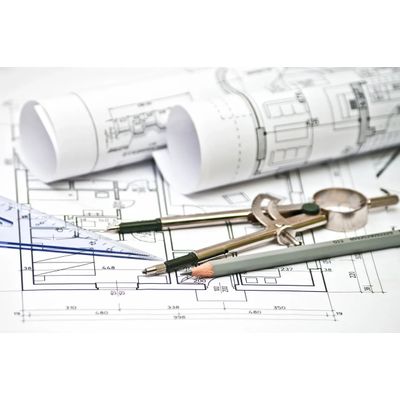
Identification of Fire & Gas Hazards Services
FGDS engineers are experienced in Fire & Gas Safety Engineering and Hazard Identification, they can help identify potential gas and fire hazards and verify the risk assessment created for those hazards by those with a knowledge of the plant and/or process. To provide an effective detection system, the extent of the hazards must first be detailed, the type of hazard, location and occurrence of a hazardous situation must be assessed and documented, this will be documented in a Hazard Assessment based on site surveys, plot plans and an understanding of the process under review. FGDS can survey a site, a process or an area and provide advice on the likely source and dispersion of gas hazards and provide recommendations on the placement of detectors and the type of detection technology used.