

FT Pipeline Systems Ltd products
Steel Water Pipes
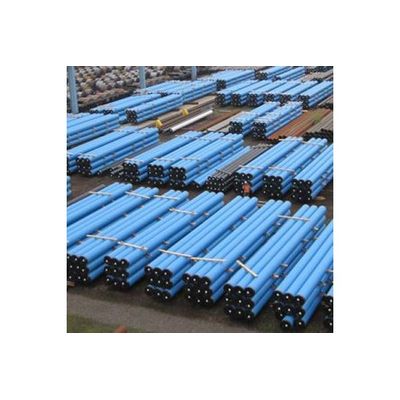
Steel Water Pipe
FT Pipeline Systems supplies steel pipes throughout the UK, in diameters 80mm through to 3000mm. A variety of coatings, linings and jointing options are available to suit the particular requirements of your job and the steel pipes required.Steel pipes are supplied in 6m, 9m, 12m, 13m and 13.5m lengths. Other steel pipe lengths up to 18m are available.As well as producing a range of steel pipe products, FT Pipeline Systems will manufacture all types of welded fittings (bend tee, level invert tee etc.) to BS EN 10311:2005 / BS EN 10224:2002. The coating and lining of the welded fittings are identical to the pipeline.
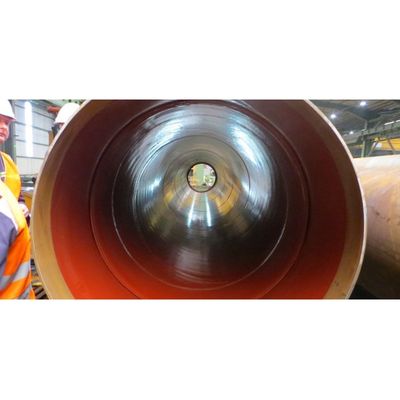
Pipe Linings
FT Pipeline Systems provides an extensive range of internal pipe linings to fit the requirements of a wide variety of situations. whether it is for an entirely new system of potable water pipes, or to repair the linings of existing systems in need of maintenance. It is important that the lining selected for any major project take into account the materials flowing throughout the network.
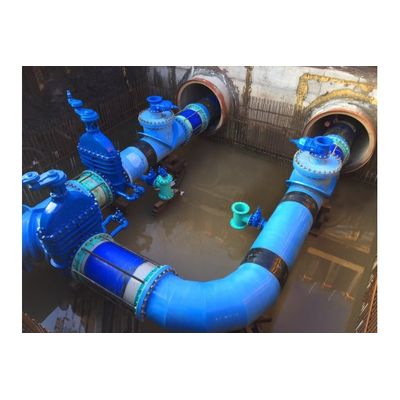
Pipe Fittings
FT Pipeline Systems can manufacture all the pipe fittings for your scheme. CAD drawings are provided in consultation with the client and are agreed upon prior to the start of manufacturing. Standard fittings are produced according to BS EN 10224. Alternatively, bespoke fittings can be manufactured to suit specific requirements.
Pipe Joints
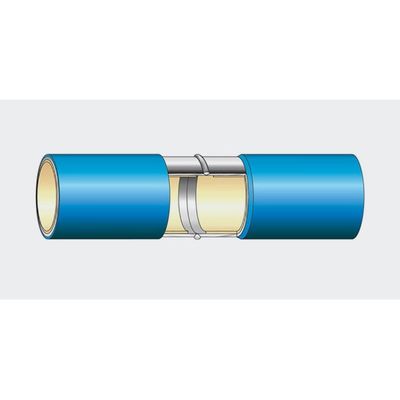
Butt Weld Joint
The butt weld joint is great for use with potable water and sewage sludge. Welded pipe joints mean that there is no risk of leaks or corrosion
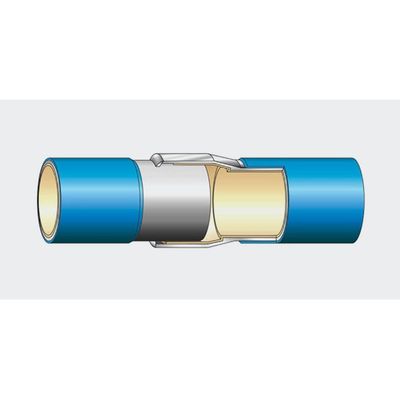
Socket Weld Joint
Combining the socket and welded pipe provides all of the benefits of the former, with the leak and corrosion benefits of the latter.
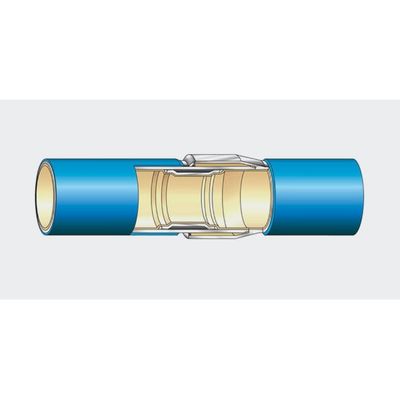
E Joint - Insulating Joint
Spigot and socket pipe joints are commonly used for low and medium pressure steel pipelines but for potable water systems where an internal epoxy coating is required, the welding process can sometimes damage the internal lining of the pipes. The FT E Joint is a great solution to this issue because it includes an air pocket, which reduces the heat transfer to the internal surface significantly, reducing the risk of damage to the lining.
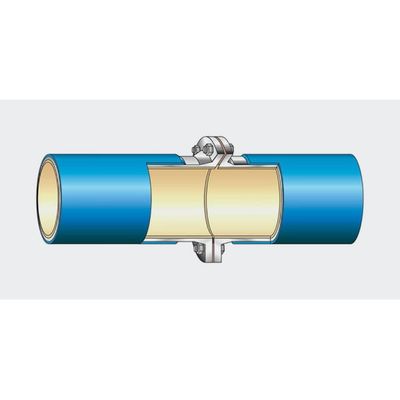
Flanged Joint with Fittings
The flanged joint design means that pipes are secured by external screws, providing additional joint support for the transportation of substances at high pressure.
Water Treatment
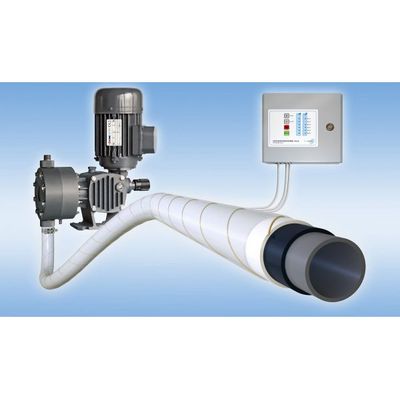
Flexible Dual Containment and Chemical Dosing Hose
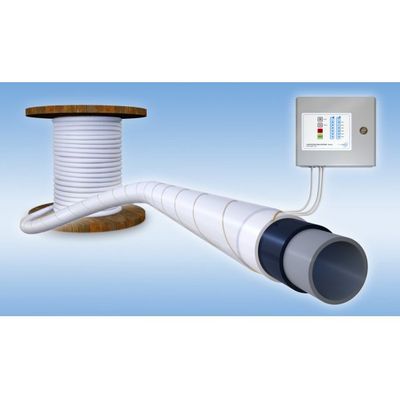
In association with our supplier, Colex International, we are proud to offer the very latest generation of dual containment flexible, chemical dosing hose – PF Detect. This hose offers all the obvious advantages of our ProtectaFlex product (see below) with the added benefit of a leak detection system. If you want to know the minute your dosing system has any problems this is the hose for you. PF-Detect will sound an alarm, send a signal to switch off your dosing pump and give you the chance to get your reserve line working within seconds of a hose failure. The fear of aggressive chemicals getting out into the environment, due to undetected leaks, was the reason behind the development of dual containment hose. With PF-Detect this fear can be almost eradicated! The leak detection system only requires a minimal amount of liquid to trigger the alarm and shut off procedure, with the leaked liquid contained by the versatile polyurethane jacket.
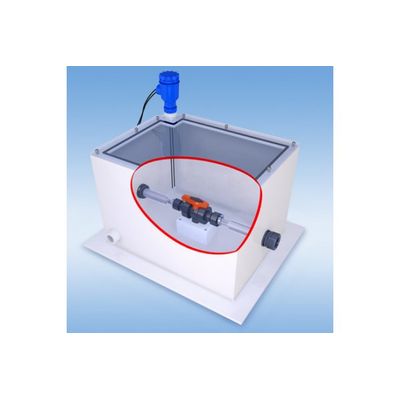
Water Treatment Hose Accessories
In addition to our dual contained hose and pipe, FT Pipeline Systems offers a range of additional accessories to complete your installation. Catch-pots, Safety Spray Shields, Static Mixers, Trace Heating and Insulation. Additional hose accessories include connections (BSPM and solvent spigot in PVC and stainless steel swages), stainless steel clamps, and tank connectors with clamping nuts.
Phosphorus Removal Unit
The following article featured in the June 2019 issue of Water Industry Journal following an interview with Roger Attisha of FT Pipeline Systems and Pete Bibby of Waveney about how best to meet the challenge of phosphorus removal. Phosphorus is essential to life, but like all good things too much can be a bad thing. Applied as a fertiliser, phosphorus helps plants to grow – yet too much adversely affects biodiversity. Finding its way into our environment from a number of sources, via human sewage, household products such as detergents, as well as fertilisers, phosphorus leeches into our waterways from the surrounding rocks, soil and plants.