


Geophysical Insights software
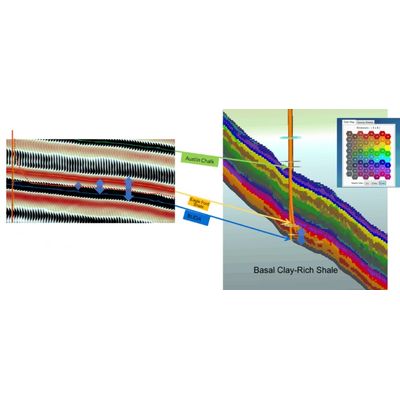
Paradise - Reveal Stratigraphy Software through Machine Learning
Using the Paradise® AI workbench, geoscientists can generate and analyze seismic data at the sample level, well beyond a wavelet. This powerful capability, along with the application of machine learning to Multi-Attribute Classification, produces profound, sometimes surprising results, particularly the ability to detect features below conventional seismic tuning thickness. Attribute Selection is done through the use of Principal Component Analysis (PCA), and Multi-Attribute Classification is based on the highly robust Self-Organizing Map (SOM) technique, which is applicable with or without well control. This means the workbench tools described are applicable in both exploration and production.
Paradise - Detect Faults Automatically Software
Interpreters spend a lot of time identifying faults in seismic data by picking 2D sections from a 3D seismic volume. This critical process can now be automated with AI Fault Detection in Paradise®, which uses deep learning and machine learning processes to generate fault volumes for fault interpretation. Check out the short video to the right to see results from AI Fault Detection, including for complex fault regimes or noisy seismic data. More examples of Fault Detection results are shown below. Select the technical papers below to learn more about fault interpretation and automatic Fault Detection.
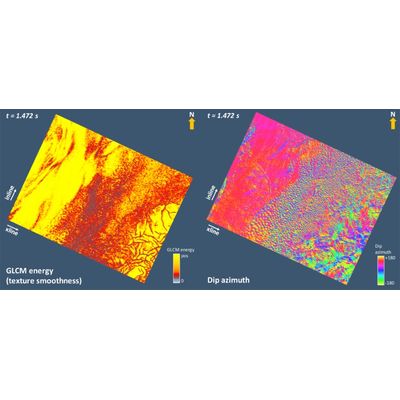
Paradise - Attribute Generation Software
Using attributes is fundamental to seismic interpretation. The Paradise Attribute Generator places best-in-class post-stack seismic attribute calculations in the hands of seismic interpreters and specialists alike using easy-to-follow ThoughtFlows. The Paradise attribute library includes a comprehensive list of Instantaneous attributes as well as algorithms and workflows developed by the Attribute Assisted Seismic Processing and Interpretation (AASPI) consortium at the University of Oklahoma, led by Dr. Kurt Marfurt.
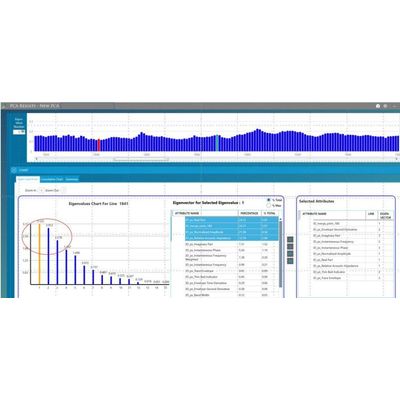
Paradise - Attribute Selection Software
Seismic attributes differ in their relative contribution to information (energy) in a given volume. In Paradise, Principal Component Analysis (PCA) is used to identify those attributes that are the most prominent and quantify their relative contribution to a volume. Using an Eigen spectrum chart, the relative contribution is presented both graphically and numerically, taking the guesswork out of selecting the right attributes seismic interpretation.