
Greenify Environmental Technology Ltd.
4 services found
Greenify Environmental Technology Ltd. services
Greenify - Model WTP - Water Treatment Plant (WTP)
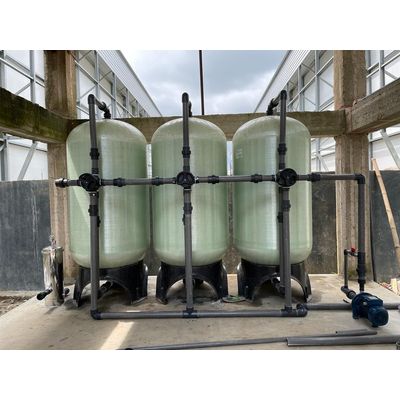
An Iron Removal Plant (IRP), also known as an Iron Removal System or Iron Filter, is a water treatment system designed to remove iron and other impurities from water. Iron is a common contaminant found in water sources, especially groundwater, and it can cause various issues such as metallic taste, staining of fixtures and laundry, and clogging of pipes and appliances. An IRP typically consists of one or more filtration units that utilize various methods to remove iron from water. The most common types of filters used in iron removal plants include: Media Filters: These filters contain a bed of filtration media such as manganese dioxide, green sand, or anthracite coal. As water passes through the filter bed, iron particles are trapped and removed. Oxidizing Filters: These filters use an oxidizing agent, such as chlorine or potassium permanganate, to convert dissolved ferrous iron (Fe2+) into ferric iron (Fe3+). The ferric iron then precipitates out and can be filtered or settled.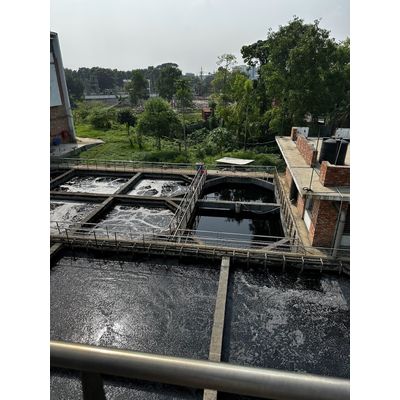
Greenify - Effluent Treatment Plant (ETP)
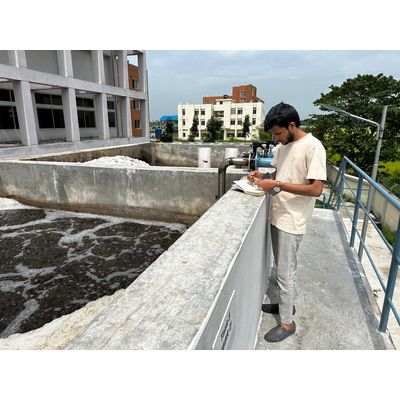
Effluent Treatment Plants (ETPs) play a crucial role in addressing the environmental challenges posed by industrial and municipal wastewater. This comprehensive article provides an in-depth understanding of ETPs, focusing on their purpose, components, operation, and significance in achieving sustainable water management. The article also explores the various treatment processes employed in ETPs, including physical, chemical, and biological methods, along with advanced technologies. Additionally, the article highlights the regulatory frameworks and global initiatives promoting the adoption of ETPs, emphasizing their contribution to environmental conservation. By delving into the benefits, challenges, and future prospects of ETPs, this article aims to underscore their indispensable role in mitigating water pollution and safeguarding our ecosystems.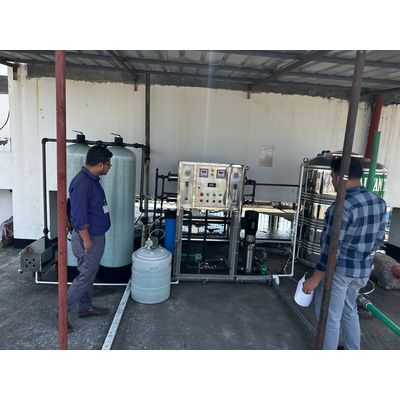
Greenify - Model WTP - Reverse Osmosis (RO) Plant
A reverse osmosis (RO) plant is a water treatment system that uses a process called reverse osmosis to purify water. Reverse osmosis is a technology that involves the application of pressure to force water molecules through a semipermeable membrane, removing impurities, contaminants, and dissolved solids in the process. Components: A. Intake: This is the point where raw water is collected, typically from a natural source such as a river, lake, or underground well. B. Pre-treatment: Before entering the reverse osmosis process, the water undergoes pre-treatment to remove large particles, sediments, and other impurities. This step usually involves processes such as sedimentation, filtration, and chemical dosing. C. High-pressure pump: The pre-treated water is then pressurized using a high-pressure pump. The purpose of this pump is to overcome the natural osmotic pressure and push water through the semipermeable membrane. D. Reverse osmosis membranes: These are the heart of the RO plant.