

Horizon Environmental Services, Inc. services
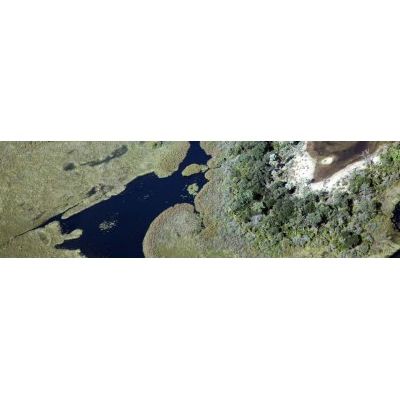
Wetlands Service
What are Wetlands? Laws and Regulations: Section 404 of the Clean Water Act of 1972 regulates the placement of dredged or fill material in all "waters of the United States", including wetlands, surface tributaries, ponds, and reservoirs. The term "fill" has been given a rather broad definition to include structural support materials (e.g., rock, concrete, gabions, dirt, etc.). Mechanical land clearing in jurisdictional areas has been determined to result in incidental fill and is thus regulated.
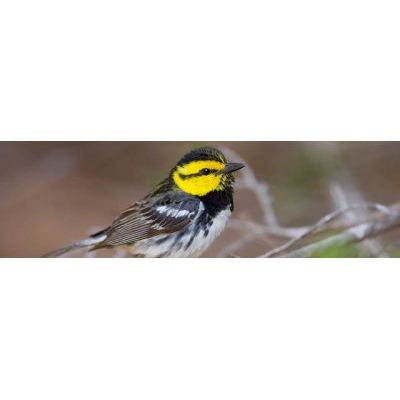
Endangered Species Service
Why Survey for Endangered Species? Laws and Regulations: The Endangered Species Act of 1973, as amended (the Act), provides for significant protection of plant and animal species which are listed by the federal government as "endangered" or "threatened". Pursuant to Section 7 of the Act, federal agencies are required to consult with the US Fish and Wildlife Service (FWS) on federal actions which may affect a listed species (e.g., COE Section 404 or EPA NPDES/TPDES permit issuance, federal funding, federal property sale or transfer, etc.). Non-federal entities (i.e., state agencies and private concerns) not requiring a federal permit for their proposed project are also required to comply with the Act through Sections 9 and 10. Prohibitions against the take, harm, or harassment of listed endangered or threatened species are broad, and penalties for their violation may be severe.
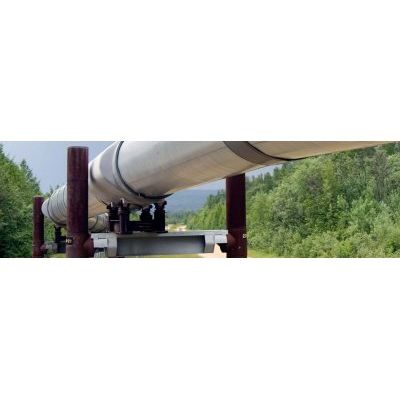
National Environmental Policy Act (NEPA) Service
The preamble of the Act reads..."To declare a national policy which will encourage productive and enjoyable harmony between man and his environment; to promote efforts which will prevent or eliminate damage to the environment and biosphere and stimulate the health and welfare of man; to enrich the understanding of the ecological systems and natural resources important to the Nation.
Due Diligence Service
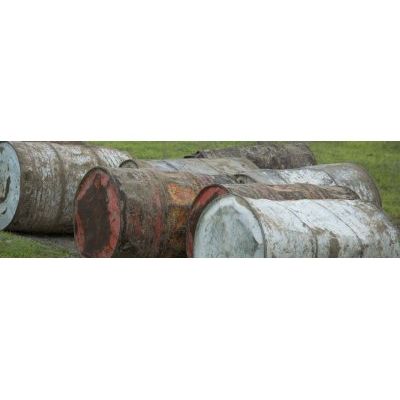
Environmental Site Assessment (ESA) for Property Transfer How Does This Affect My Project? Laws and Regulations: The Federal Comprehensive Environmental Response, Compensation, and Liability Act of 1980 (CERCLA), or Superfund legislation, imposes landowner (owner/operator) liabilities with respect to the discovery of hazardous substances on a property, regardless of who is at fault.
Cultural Resources Service
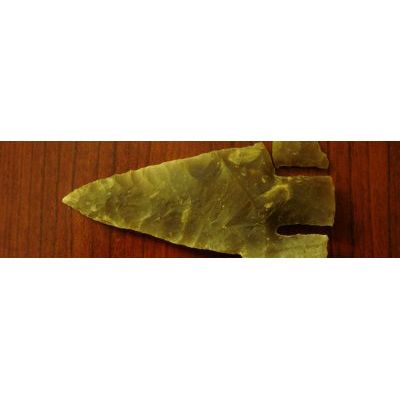
Archeology - Prehistoric/Historic: How Can Cultural Resources Affect My Project? Laws and Regulations: The federal law that triggers most cultural resources investigations is the National Historic Preservation Act of 1966 (NHPA). Section 106 of the NHPA requires that every federal agency take into account how each of its undertakings, such as issuance of a permit, could affect historic and/or prehistoric properties either listed in, or eligible for, the National Register of Historic Places (NRHP) on either federal, public, or private lands with jurisdictional concerns.