


Hydrogen Link Inc. products
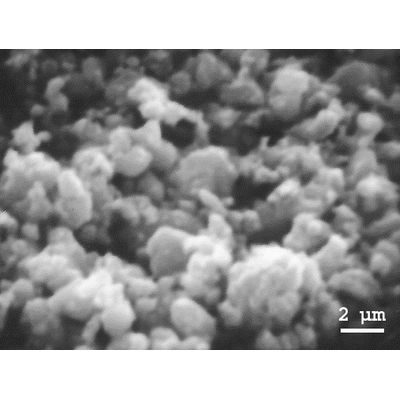
Oxycatalyst
Hydrogen Link developed innovative families of proprietary catalysts, which have shown outstanding catalytic performance in various types of reactions. One group, namely the OXYCATALYSTS, specifically targets catalysis involving oxidation reactions. These complex catalytic materials have a proprietary coordination arrangement, which emphasizes a novel concept of the complex interatomic interactions between the reactants and the catalyst. The concept allows the targeted design of the specific catalyst composition for particular reactions, underlining the versatility between composition and properties of the resulting nano-catalyst compounds. The key point is that the outstanding catalytic properties can be obtained only when a specific hetero-complex is formed, thus enabling a multitude of reactions and processes through charge transfer. Oxycatalyst compounds can be applied with exceptional efficiency in a wide range of oxidative reactions, from pollution remediation and organic oxidation to functional groups oxidation and Catalytic Advanced Oxidation.
Catalytic Advanced Oxidation
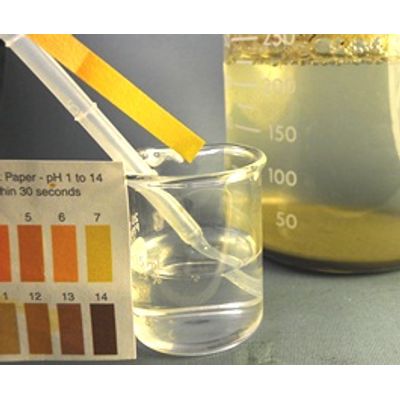
Wastewater Treatment
Clean water is a crucial commodity. However, the availability of clean water is in the increasing jeopardy with the progression of industrialization (especially in the developing countries) and the effective wastewater remediation becomes more and more essential. The problem is enhanced by the fact that many chemical or pharmaceutical plants produce more and more chemicals which are not only toxic and should not be dumped into the global water resources, but they are also chemically stubborn and resistant to typical wastewater treatments. The main problem of these pollutants is their resistance to oxidative reactions i.e their high reduction potential. Degradation of these chemicals (such as aromatic compounds, phenols, benzene, toluene, azo-molecules etc.) requires oxidative agents having a very high oxidation potential in order to be effective. An extreme example of such toxic and difficult to degrade wastewater types are the hydrraulic fracking liquids and their leachate.
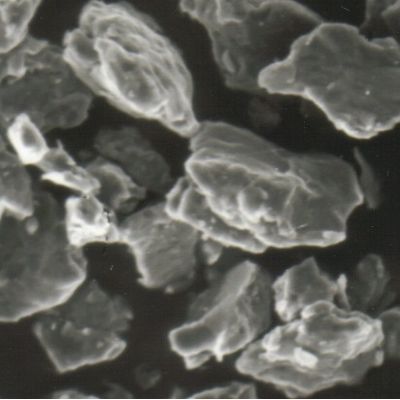
Dye Decoloration and Degradation
Catalytic Advanced Oxidation reactions developed by Hydrogen Link for the decoloration of the dye wastewater result in very effective oxidative degradation of a variety of dyes from food and textile industry effluents. Even the most stubborn dyes such as azo dyes can be eliminated from the colored wastewater by our approach. The treatment involves catalytic decomposition of hydrogen peroxide (H2O2) with the formation of uniquely efficient hydroxyl radicals, which are formed due to a specifically designed atomic coordination of our catalyst - Oxycatalyst. It is a heterogeneous catalyst (in a solid state, not liquid) which can be reused and does not contribute to the effluent impurities. In combination with hydrogen peroxide (which is the most eco-friendly chemical because it decomposes only into water and oxygen) – the Catalytic Advanced Oxidation has unsurpassed environmental quality of a truly non-polluting and non-toxic method for the dye decoloration and degradation. The Catalytic Advanced Oxidation treatment works in the whole pH range, and can be conveniently performed at neutral pH and room temperature, without the need for specialized equipment and installations.

Colorants – Dyes And Pigments
Colorants – dyes and pigments are a growing pollution problem in the industrial and household wastewater as a result of their extensive use and relative stability towards degradation. The dyes, (especially textile dyes) are engineered to be resistant to all kinds of treatments without fading. They need to sustain either alkaline or acidic environment; they need to withstand washing with soaps and bleaching agents, microbiological fading, be resistant to light and ultraviolet irradiation etc. Obviously, the better stability of dyes achieved in the consumer products, the worse problem they cause in the wastewater stream when subjected to decoloration and degradation
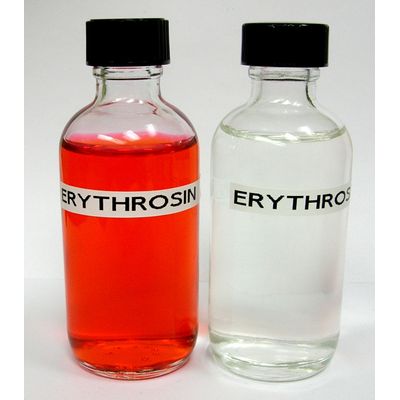
Dyes
are able to color water even in concentrations as low as 1mg/liter. Textile wastewater contains typically a much higher amount of the dye content: 10 -200 mg/liter, which gives intense coloration. While color is easily recognizable in the water stream, an additional environmental hazard comes from the fact that many dyes are either toxic or become toxic when being gradually decomposed in the ecosystem. The dyes undergo bioaccumulation in living organisms - their natural degradation is much slower than the amounts added to the environment.