


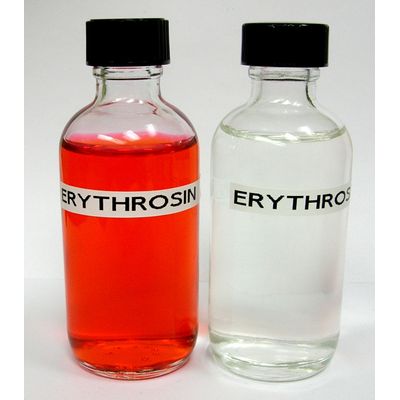
Dyes
are able to color water even in concentrations as low as 1mg/liter. Textile wastewater contains typically a much higher amount of the dye content: 10 -200 mg/liter, which gives intense coloration. While color is easily recognizable in the water stream, an additional environmental hazard comes from the fact that many dyes are either toxic or become toxic when being gradually decomposed in the ecosystem. The dyes undergo bioaccumulation in living organisms - their natural degradation is much slower than the amounts added to the environment.
Some dyes are potentially carcinogenic and mutagenic (can cause mutations in organisms), as well as genotoxic (can damage DNA). Azo dyes may be toxic after metabolic reduction of the azo bond, producing aromatic amines. Dyes preserve their ability to absorb sunlight in water and as a result they reduce the photosynthetic capability of aquatic plants and microorganisms, even when the dilution of the wastewater camouflages the presence of the dye.
The problem of bioaccumulation of dyes in the aquatic organisms is mounting because of the multiply sources of te dye contamination, such as textile industry, food technology, paper and printing, cosmetic, pharmaceutical, detergent, pesticide and leather tanning industry, which in total consume more than one million tons of dyes annually.