


Intelligent Vision Systems, LLC products
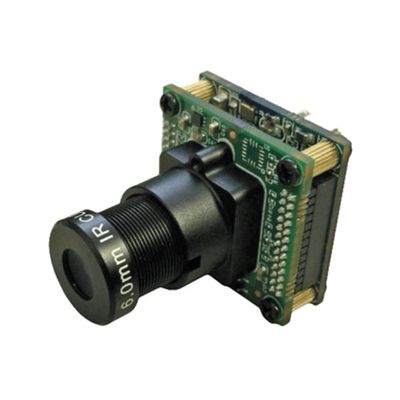
Icing Detection Technologies from IVS
The new icing detection technologies from IVS derives from technologies originally developed for space applications.
IVS - Improved Icing Detection Unit for In the Air
More than 1 in 100 of an aircraft’s ice encounters are outside of the “classic” icing certification envelopes.
Black Ice Detection Technology
Black ice is an especially deadly menace on the road because it can be so hard to see. To the naked eye, the road, bridge, or parking surface simply shows through the black ice. The new patent-protected optical icing detection technology from IVS can help prevent this hidden danger from black ice. Our technology distinguishes water and ice from road surfaces – and from each other – by measuring radiance at specific spectral bands.
Improved Icing Detection Unit for On the Road
In the USA, accidents due to road icing cause more deaths than all other weather events combined. This includes hurricanes, tornadoes, severe thunderstorms, and lightning.
Improved Icing Detection Unit for Defense
The new optical icing detection from IVS may have no more consequential impact than in national defense. That’s because ice accumulation has been identified as a major cause of accidents on military aircraft. Icing can endanger a defense mission – and put the lives of both military personnel and the private citizens they protect at risk. IVS technology is important to defense – even on aircraft already equipped with icing protection systems – because it alerts aircraft to approaching ice encounters outside of “classic” icing certification envelopes. That’s where more than 1 in 100 of an aircraft’s icing encounters will happen. Having better awareness of possible icing danger head thus enables the aircraft to use the entire operational flight envelope more confidently.
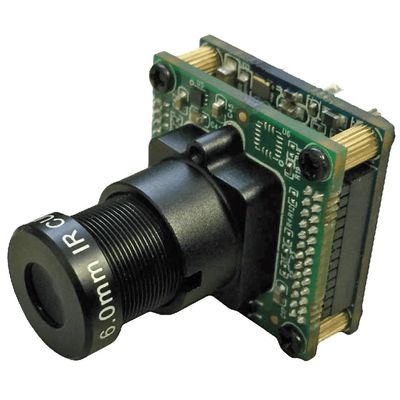
IVS - Monitoring Road Conditions with a Visible Camera
IVS has researched how to use our new patent-protected optical icing detection technology to help monitor road conditions through the use of a visible camera mounted on the vehicle. This system can provide the driver with “augmented vision” for detecting potentially hazardous conditions ahead. Normally it’s difficult to distinguish ice, snow, and water from each other in the visible spectrum with a single forward-looking camera. But data from infrared detectors can be fused with that of the visible camera to mitigate the problem.