


- Home
- Companies
- LG Sonic B.V.
- Applications
LG Sonic B.V. applications

Algae degrade water quality: Some algal species that grow in drinking water reservoirs produce toxins (geosmin & MIB), resulting in bad taste and foul odors. These toxins can also cause illnesses in humans and animals. If not treated at the source, algae are likely to end up in treatment plants, clogging filters and pipes. This raises concerns about water quality and safety, can cause service interruptions during treatment, or even operational shut-downs.

The mining industry relies on water. Water is used extensively in mining and mineral processing and refining. Tailings dams are used to store byproducts of mining operations after separating ore. Tailings dams provide optimal conditions for algae to bloom with their stagnant and nutrient-rich water, causing filter clogging and foul odors. Algae can also interrupt mining operations by clogging filters. Resulting in increased chemical usage and maintenance.

Reduce blue-green algae: In lakes, large ponds, water reservoirs and public waters, the growth of blue-green algae presents a global problem. These types of algae represent a group of bacteria known as cyanobacteria, which give rise to a distinct foul odour and are also known to produce toxins. Each year, numerous lakes are forced to close for recreational and other uses due to the growth of blue-green algae.

Reduce pH levels of the discharge: Excessive algae growth in cooling ponds of power generation facilities can be a significant cause for pH levels to exceed NPDES permissible limits. In electric power generation facilities, cooling ponds are used for storing heated water and supplying cooling water to the power plant. When discharging the cooling water, power plants need to comply with NPDES effluent requirements. Control algal blooms with LG Sonic ultrasound technology to lower pH, TSS and BOD levels.

Reduce algae to improve the water quality. Treated wastewater usually contains high levels of nutrients that can cause algal blooms on the water surface of storage ponds. An excess of algae can increase levels of pH, BOD and TSS, making reuse or discharge of the water difficult. Control algae with LG Sonic ultrasound to have higher quality water that is safe to release back in the environment.

Water quality degradation: Frequent outbreaks of algal blooms often degrade water in hydroelectric dams worldwide, making the water unusable as a drinking water or irrigation supply. Removing algae or algal by-products from water treatment plants where water is taken from a dam is costly and time consuming (e.g. the removal and cleaning of sand filters) and therefore impractical.

Improve quality in used and treated water. Uncontrolled algal growth in water bodies can lead to high levels of pH, BOD and TSS, making the extraction process, wastewater treatment and its disposal difficult. Treating algal blooms and monitoring water quality with LG Sonic technology improves water parameters, reduces further costs and productivity impacts, and prevents equipment clogging with minimal maintenance.
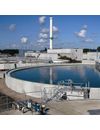
Prevent taste and odour problems. The performance of drinking water treatment plants is consistent with the amount of contamination in the water. Growth of algae and biofouling in a treatment plant can cause various problems within the process including: clogging of intake screens, fouling of weirs, increased chlorine demand, tastes/ odours, and the release of toxins. Control algae, cyanobacteria and fouling efficiently with LG Sonic ultrasound to reduce taste and odor problems in the water treatment plant.
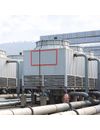
Prevent biofouling growth: Algae can grow in the cooling tower itself and on the grids from the tower. This could lead to enormous disadvantages of biofilm in cooling towers. Therefore, water used in cooling towers needs frequent treatment and chemical shocks to keep levels of micro-organisms to a minimum. The LG Sonic Industrial Line allows to reduce chemical dosage and offers local treatment were biofouling growth can’t be prevented with chemicals.

Eliminate odor problems: Ponds in golf courses, parks or gardens often have both an ornamental and irrigation purpose. To furnish both, it is important that the water looks clear, is free of any solids and should not contain chemicals that may harm the plant growth. Algae growth within ponds can complicate irrigation; as filamentous algae may clog the pump, and suspended algae can clog nozzles later in the system. Chemical-based herbicides and algaecides can be substituted by LG Sonic ultrasound technology. Chemical-free and cost-effective.