


Ultrasonic algae control solution for drinking water reservoirs industry - Water and Wastewater - Drinking Water
Algae degrade water quality: Some algal species that grow in drinking water reservoirs produce toxins (geosmin & MIB), resulting in bad taste and foul odors. These toxins can also cause illnesses in humans and animals. If not treated at the source, algae are likely to end up in treatment plants, clogging filters and pipes. This raises concerns about water quality and safety, can cause service interruptions during treatment, or even operational shut-downs.
- No service interruptions
- No clogges filters & pipes
- No bad smells and taste
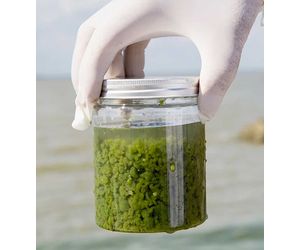
In drinking water reservoirs and other water bodies algae growth can occur. Algae cells need light, water, carbon dioxide and nutrients, which are naturally occurring in water, in order to grow. An algal bloom is a rapid increase or accumulation in the population of algae in freshwater or marine water systems. Excessive algal growth can result in the occurrence of several algae related by-products, such as toxins, MIB, and geosmins. These by-products can have a serious impact on the water quality. Nutrient buildup in a lake or reservoir can be due to irrigational run-off, pollution from industries, and a general build-up of organic material at the bottom of the lake or reservoir.
- Lower chemical expenses
- Improve operations of filters and pipes
- Prevent toxic algal blooms
- Low-power ultrasound, no cavitation
- No release of algal toxins
- 100% safe for the environment
Control and predict algae blooms in your reservoir to avoid negative consequences within the entire treatment process.
When you consider raw water as a treatment step, you guarantee consistent drinking water quality and quantity.
The MPC-Buoy does this for you. It monitors water quality parameters in real-time, controls algae growth with ultrasound, and predicts new blooms days before they occur.
Some algal species that grow in drinking water reservoirs produce toxins (geosmin & MIB), resulting in bad taste and foul odors. These toxins can also cause illnesses in humans and animals.
If not treated at the source, algae are likely to end up in treatment plants, clogging filters and pipes.
This raises concerns about water quality and safety, can cause service interruptions during treatment, or even operational shut-downs.