

- Home
- Companies
- Nemco Utilities Ltd
- Services
Nemco Utilities Ltd services
Water Hygiene Management
Risk Areas Services
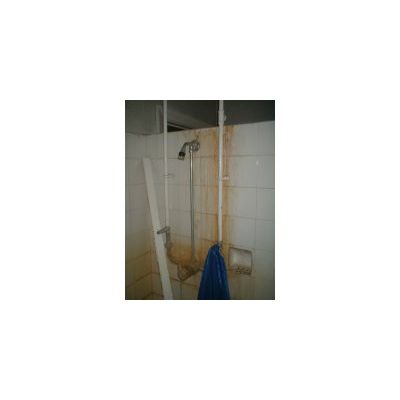
Historically whenever Legionnaire’s Disease was mentioned people thought of air conditioning. Whilst this still holds some truth, most modern air conditioning systems are ‘air cooled’ and present very little risk. The old ‘wet cooled’ air conditioning systems (those associated with a cooling tower / evaporative condenser) caused the most problems, due to the production of an aerosol and their ability to affect a wide range of people. Cooling towers and evaporative condensers are indeed high risk processes but tend to be tightly controlled by use of biocides and are subject to strict sampling and disinfection regimes. For the large proportion of properties the major risk from Legionella is posed from domestic services.
Fire Risk Management
Fire and the Workplace Services
As part of the Order, the designated responsible person must take general fire precautions, with regard to the safety of their employees, visitors, contractors, and anyone other persons who may be on site. These duties include:
- Identify & assess the sources of risk and identify who might be at risk
- Prepare a scheme to prevent / control the risk
- Provide and maintain fire precautions
- Provide information, instruction and training to all employees
- Keep records
Air Quality Management
Indoor Air Quality Services
It is a provision of the Workplace (Health, Safety and Welfare) Regulations under the Health and Safety at Work etc Act 1974 to ensure that mechanical ventilation systems are regularly and properly cleaned such that the air inside the premises is equal to or better than the air outside.
Building Management
Disability Access - Legal Requirements Services
The Act under which the changes to building access occur is the Disability Discrimination Act (DDA) 1995. The changes highlighted are to allow people who have some form of disability, the ability to enter buildings and go about their business. The Building Regulations, Part M, set out the requirements to meet the DDA. These have ‘step by step’ instructions to allow full compliance with the Act.