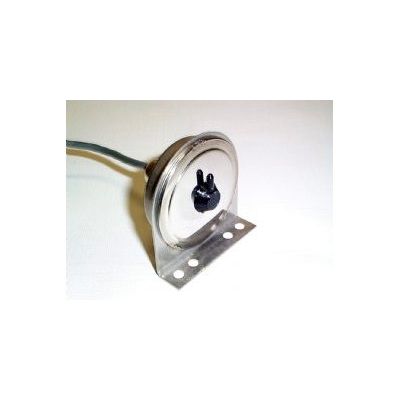
NovaLynx Corporation products
Barometric Pressure
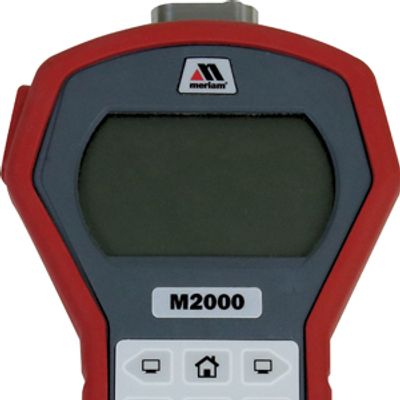
NovaLynx - Model 230-M2000 - Handheld Digital Barometer
The 230-M2000 Handheld Digital Barometer is a portable pressure instrument with flexible features to meet many of your everyday pressure measurement needs. This device features an easy and intuitive user interface with convenient pressure connections.
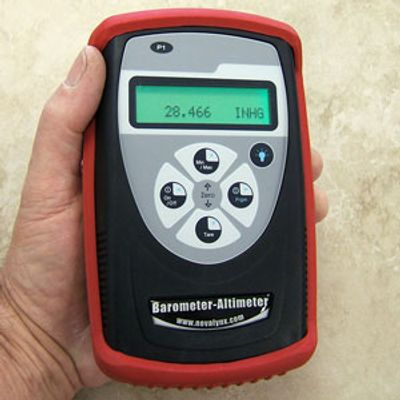
NovaLynx - Model 230-M202 - Handheld Digital Barometer-Altimeter
The 230-M202 Handheld Digital Barometer-Altimeter combines accurate pressure sensing with the power of microprocessor-based computations to provide instantaneous pressure and altitude readings. A combination of small size, digital display, versatility, and high accuracy make it ideal for field measurements or as a portable pressure reference. Keypad controls provide access to the operating functions. Pressure or altitude may be displayed in a variety of units. The LCD display shows the data output and operating mode. Data logging mode stores up to 240 readings for future recall. The unit is powered by four AA alkaline batteries (included) which provide approximately 100 hours of continuous use.
Evaporation
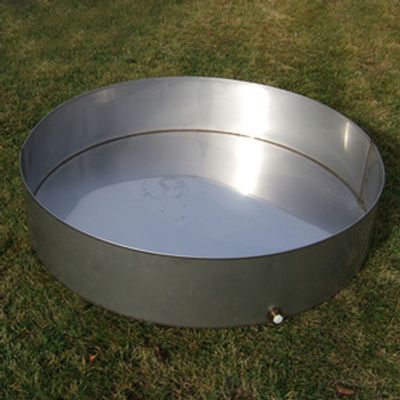
NovaLynx - Model 255-200 Class A - Evaporation Pan
The 255-200 Evaporation Pan is a standard National Weather Service Class A type for measurement of water evaporation. It is normally installed on a wooden platform set on the ground in a grassy location. The pan is filled with water and exposed to represent an open body of water. The pan is filled to within 2.5 inches of the top of the pan. The evaporation rate can be measured by manual readings or with an analog output evaporation gauge.
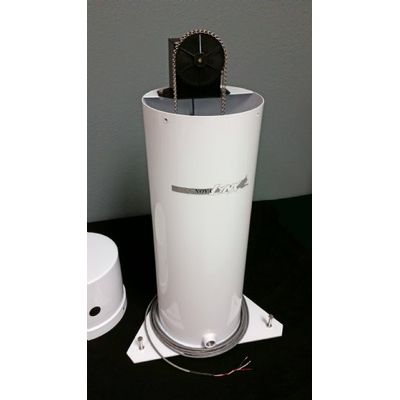
NovaLynx - Model 255-100 - Analog Output Evaporation Gauge
The 255-100 Analog Output Evaporation Gauge is used to determine the evaporation rate by measuring the changing water level in an evaporation pan. The sensor consists of a float, pulley, and counterweight attached to a precision 1000-ohm potentiometer mounted in a weatherproof housing. The potentiometer produces a resistance output proportional to the position of the float which can be monitored on site using a data logger or remotely by telemetry equipment. A standard National Weather Service Class A Evaporation Pan is recommended for use with the gauge. The NovaLynx 255-200 Class A Evaporation Pan is designed to be coupled to the gauge by means of stainless steel connecting pipes and fittings.
Rain and Snow
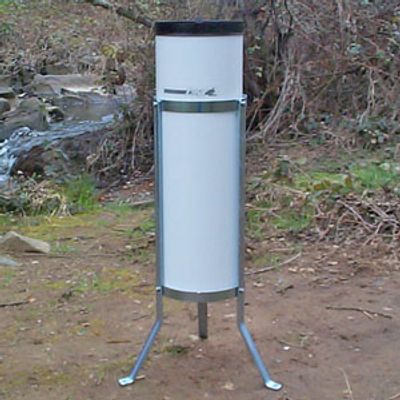
NovaLynx - Model 260-2510 - Standard Rain and Snow Gauge
The 260-2510 Standard Rain and Snow Gauge is an all-aluminum rain gauge with a total capacity of 20" of rainfall. The upper portion of the funnel is cylindrical in shape and is turned to a fine edge. Rainwater falling into the funnel is delivered into the receiver. The ratio is 10 to 1, so that 1" of rainfall delivers 10" of water to the receiver. The capacity of the receiver is 2" of rainfall. Any excess overflows into the outer chamber so it can be measured after the quantity in the receiver has been recorded and removed. The gauge can be read to 0.01". When used as a snow gauge, the receiver and funnel are removed. Snowfall is collected in the overflow can and melted for measurement with the receiver and dipstick. A black G-10 fiberglass epoxy laminate measuring stick with both English and Metric markings is included. An optional tripod support is available.
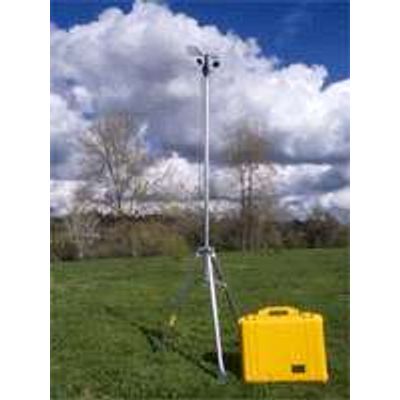
NovaLynx - Model 110-WS-25 - Modular Weather Stations
The 110-WS-25 Modular Weather Stations are meteorological systems designed to be a "user friendly" solution for data storage and real-time monitoring of weather conditions. The standard sensor package includes 6 weather parameters: wind speed and direction, temperature and relative humidity, barometric pressure, and precipitation, (additional optional sensors can be added), a 5-foot tripod and vertical mast for sensor mounting, and a data logger with LCD display.NovaLynx - Model 260-WS-2501 - Data Logging Rain Station
The 260-WS-2501 Data Logging Rain Station is a battery-powered rainfall data collection and recording system consisting of a battery-operated event logger with built-in display and an 8" tipping-bucket rain gauge.NovaLynx - Model 110-WS-16BP - Barometric Pressure Sensor
The 110-WS-16BP Barometric Pressure Sensor uses a piezoresistive sensing element which responds to changes in barometric pressure with a corresponding change in resistance. This resistance is converted to a voltage from which a microprocessor (or another data processor) calculates the barometric pressure at the elevation where the barometer is located.
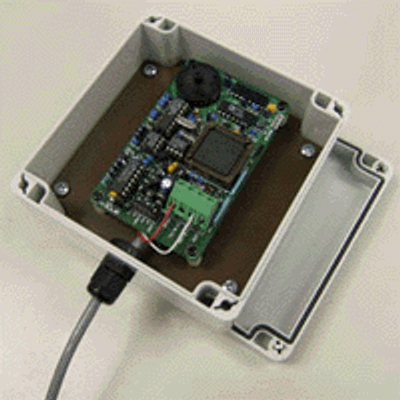
NovaLynx - Model 230-600 & 230-601 - Barometric Pressure Sensors
The 230-600 Series Barometric Pressure Sensors offer unparalleled performance and flexibility for atmospheric pressure measurement. The barometer is available in two configurations to satisfy a variety of applications; Model 230-600C provides a 4-20 mA current output, 230-600V provides 0-5 Vdc output. Both models offer serial output in addition to the analog signal.