
- Home
- Companies
- Olfasense Group
- Products
Olfasense Group products
Odour Measurement Solutions - Sampling Equipment
Olfasense - Gas Sampling Device
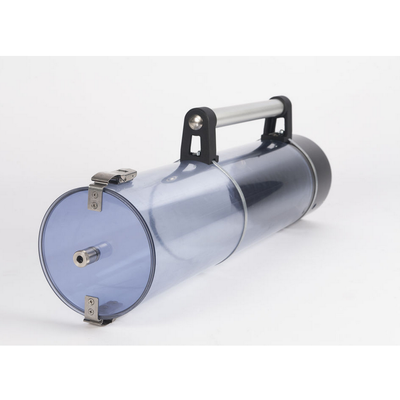
Our standard sampling device is available in two different sizes: The classic version is designed for 10-litre gas sampling bags; the XL version even for 60-litre bags.
Olfasense - Model CSD30 - Odour Sampling Device
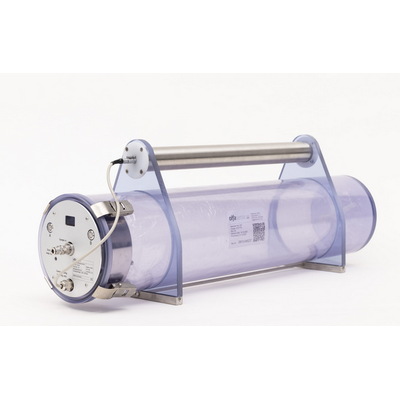
The CSD30 is a sampling device for collecting odour samples in gas sampling bags, with a default odour sampling duration of 30 minutes.
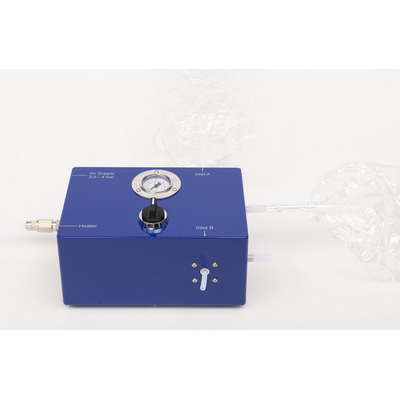
Olfasense - Model EPD - Odour Sample Pre-Dilution System
The EPD is an easy to use pre-dilution system for highly concentrated odour samples. It has been developed to increase the measuring range at high odorant concentrations for olfactometers.
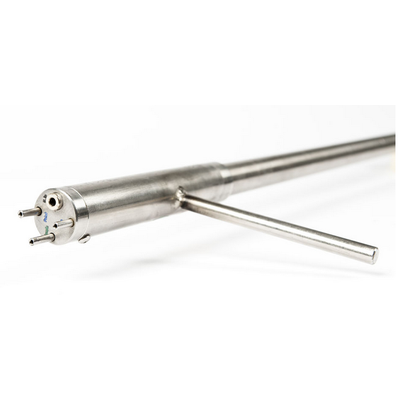
Olfasense - Model GSP - Odour Sample Pre-Dilution Device
The GSP can supplement the CSD30 odour sampling device, and dilutes the sample directly at the sampling point. Sample pre-dilution can be performed with nitrogen or synthetic air, whereby the pre-dilution ratio is fixed by the manufacturer (standard 1:10 with individual calibration data). The pre-dilution ratio can, however, be set to different exhaust air conditions on request by substituting the 1:10 screen with a sapphire screen accessible from the outside (e.g. dilution 1:5 or 1:20).
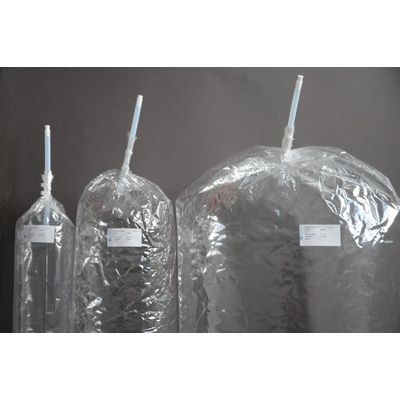
Olfasense - Nalophan Gas Sampling Bags
Our ready-to-use sample bags have been designed to meet the quality requirements of EN 13725, to minimise the risk of contamination of odour samples.
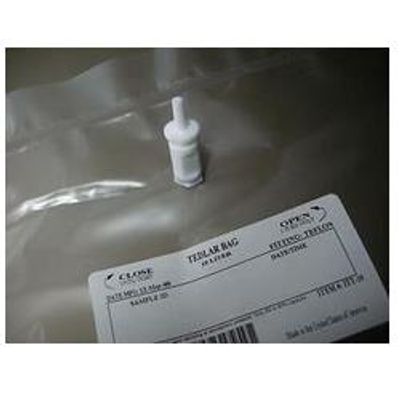
Olfasense - Model Tedlar - Gas Sampling Bags
Olfasense is reseller of Kynar PVDF and Tedlar sampling bags made from PVDF, offering sizes from 0.5 L to 1000 L.

Olfasense - Standard odour sampling device
Our standard odour sampling device consists of a vacuum container that is evacuated by a vacuum pump. The sampling point and the standard sampler are connected by a probe. When the sampling device is evacuated, the gas sampling bag inside sucks in sample air via the probe. The sampling device is constructed to make sure that none of its components come into contact with the sample air during this process. This device can be used for sample pressures of 150 mbar at the peak of the probe (in the air flow cross-section). It takes 30 to 60 seconds to fill a 10-litre gas sampling , depending on the pressure conditions. Users can easily check the filling and probe conditions, as the cylinder is made of transparent PVC. The standard sampling device is robust, light and easy to use. Battery-operated, the sampling pump can be used without a mains power supply.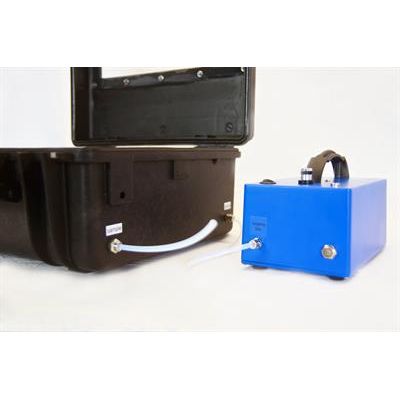
Olfasense - Vacuum Air Sampling Box
The Olfasense vacuum air sampling box allows for taking air samples into sampling bags without the sample coming into direct contact with the pump. The box can fill up to 10-liter sampling bags, with a flowmeter allowing to adapt the filling rate of the bag. Through a observation window the operator can watch the inflation progress. The connections can be changed out for every sample to prevent cross contamination through multiple sampling. The sampling box is suitable for Tedlar and Kynar sampling bags.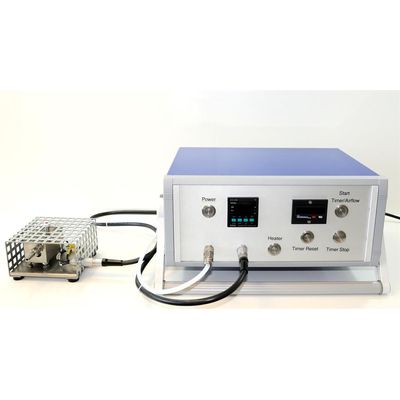
Olfasense - Liquid to gas vaporiser (LiGaVa)
The LiGaVa system vaporises any kind of liquid into the gas phase. Because time, volume stream, temperature and amount of liquid are all known variables, it is a highly standardised odour sampling system. It is also simple to operate: just inject a set volume of the liquid sample (e.g. a fragrance, aromatic, alcohol or fuel) into the LiGaVa, which will vaporise it. You can achieve the correct vapour pressure for your particular liquid sample by individually setting the evaporation temperature (up to 220°C). As the gas is formed, it streams into a connected sample bag at a constant volume flow rate. Once the liquid is in gaseous form, it is ready for various analyses.