
Opgal Optronic Industries Ltd (OPGAL) applications
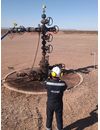
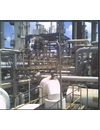
An oil refinery or petroleum refinery is an industrial process plant where crude oil is processed and refined into more useful petroleum products, such as naphtha, gasoline, diesel fuel, asphalt base, heating oil, kerosene, etc,. Oil refineries are typically large, sprawling industrial complexes with extensive piping running throughout, carrying streams of fluids between large chemical processing units. The refining process releases a number of different chemicals into the atmosphere mostly Hydrocarbons which cause severe health and safety hazards. Opgal`s EyeCGas Thermal Imager can detect the leaking gases from a distance and help reducing the threats
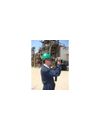
The Oil & Gas segment is the biggest market for gas detection and analysis equipment. It is common to describe this industry based on the product flow, from “Upstream” exploration and extraction location toward a “Downstream” flow, which end up at the end user home or business. Throughout the Oil and Gas industry, leaks are a real concern.

In a complex petrochemical facility there may be many thousands of potential leaks paths. Some may be leaking but most will not. Using an infrared Gas Detection camera allows the user to examine many potential leaks sources in a short time and from a distance. The EPA acknowledged gas imaging cameras, such as Opgal’s EyeCGas®, as an approved Leak Detection and Repair (LDAR) Method 21 alternate work practice (AWP).

Recent decades brought a rapid growth in the global demand for energy. This trend is accurate for both developed as well as developing countries. Electrical power is a key source of energy for the vast majority of the world population. Although the usage of renewable energy is on the rise, the majority of electric power production worldwide is still based on conventional methods utilizing coal, oil and gas as its fuel to power the stations.