
Pollution Systems Inc.
Refine by
Families
10 products found
Pollution Systems Inc. products
Systems - Thermal Oxidizers
Pollution Systems - Direct-Fired Thermal Oxidizers for VOC and HAP Control
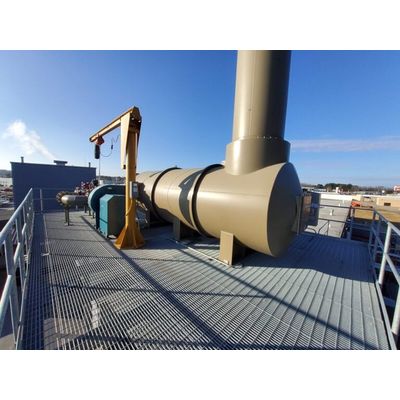
Direct-fired thermal oxidizers, also known as afterburners or incinerators, serve as reliable air pollution control systems capable of adapting to fluctuations in waste stream flows and pollutant compositions. They function by mixing industrial waste exhaust with air inside an oxidation chamber, where the waste is heated by a burner to achieve the necessary temperature and time for pollutant destruction. With a high destruction rate efficiency of over 99% for appropriate applications, these systems leverage low thermal efficiencies and simple operations to accommodate batch or continuous processes, often without the need for primary heat exchangers. Commonly deployed in industrial processes with significant energy content from combustion heat, these oxidizers are designed to efficiently manage emissions and cater to specialized applications like siloxane abatement.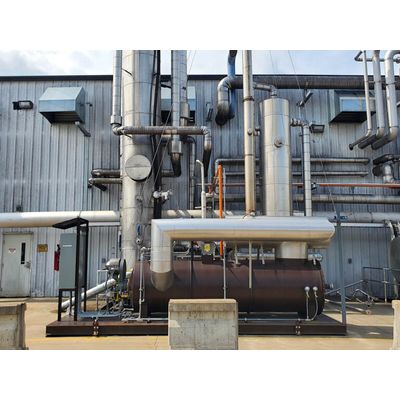
Pollution Systems - Recuperative Thermal Oxidizers for Industrial Emissions
Recuperative Thermal Oxidizers are an advanced air pollution control solution designed for industrial applications. These systems integrate a heat exchanger with a combustion chamber to effectively destruct volatile organic compounds (VOCs) and other pollutants through thermal oxidation. They offer destruction rates exceeding 99%, contributing to significant reductions in harmful emissions. The integrated heat exchanger preheats the polluted air, optimizing energy efficiency and reducing operational costs. Energy-saving features such as preheated combustion air, secondary heat exchangers, and sophisticated burner controls are included to enhance performance. Ideal for diverse industrial processes, these oxidizers provide reliable emission control, tailored to meet specific operational requirements. Their application can lead to substantial energy savings, as demonstrated in various case studies, such as odor abatement at animal feed manufacturers and fuel cost reduction at landfill gas (LFG) facilities.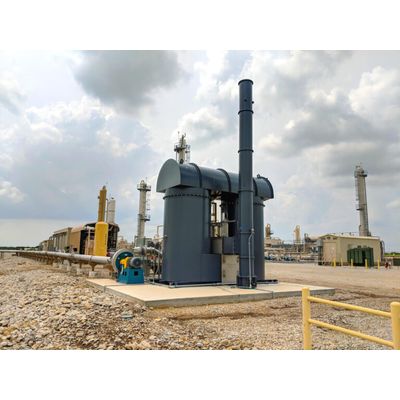
Pollution Systems - Regenerative Thermal Oxidizers for Industrial Applications
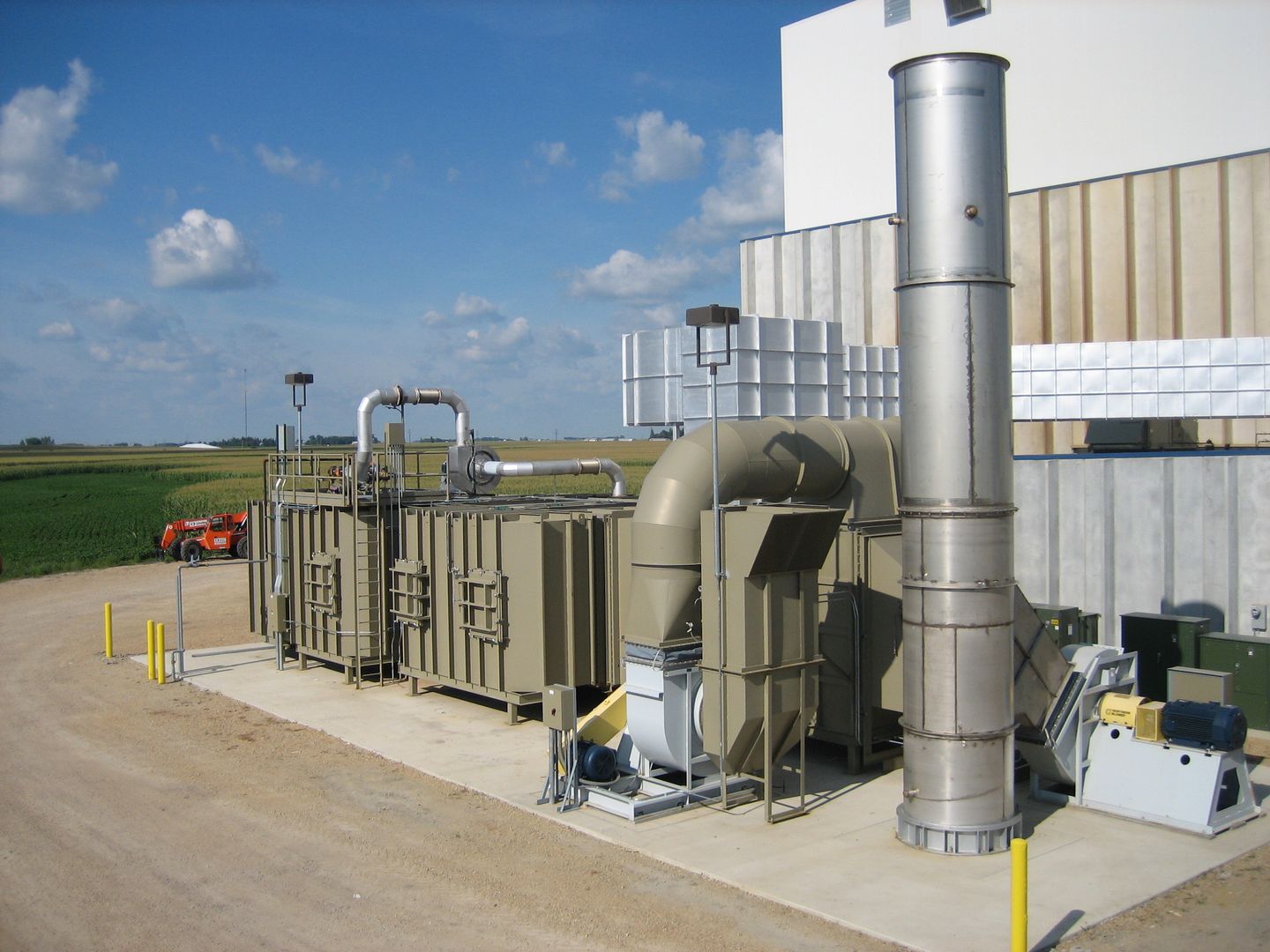
Regenerative Thermal Oxidizers (RTOs) use combustion to achieve high destruction efficiencies for hazardous air pollutants (HAPs) and volatile organic compounds (VOCs), making them particularly suitable for large air flow processes. These systems effectively handle air volumes exceeding 5,000 standard cubic feet per minute (SCFM) and are designed to destroy targeted pollutants while reusing excess heat from organic material combustion. This makes RTOs beneficial in applications with high waste stream flow rates and low VOC concentrations. Commonly applied in sectors such as paint booths, automotive, ethanol production, and pharmaceuticals, RTOs offer substantial benefits when correctly specified for these environments. Their detailed design consideration allows them to handle significant air volumes efficiently and cost-effectively without the inclusion of particulate. Despite their widespread use, appropriate application is critical to exploit their benefits fully.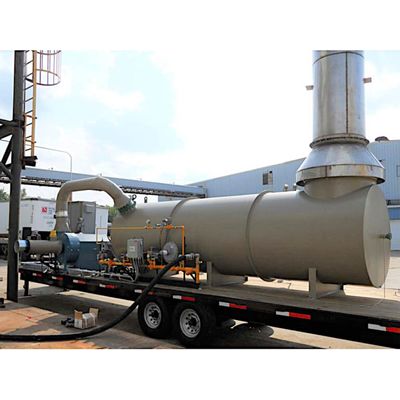
Pollution Systems - Portable Thermal Oxidizers for Tank and Pipeline Degassing
Pollution Systems manufactures portable thermal oxidizers designed for effective tank and pipeline degassing, ensuring air treatment when pollution control systems are either being installed or temporarily unavailable. These units play a critical role in capturing and destroying harmful gas vapors, specifically targeting volatile organic compounds (VOCs) that remain after the removal of chemicals, solvents, or petrochemicals from storage tanks. The design supports process flexibility, allowing for the management of varying concentrations of VOC vapors, often achieving destruction efficiencies surpassing 99%. These systems are particularly suited for facilities that deal with frequent shutdowns or face temporary emission control needs. Moreover, Pollution Systems offers flexible rental options to accommodate short, medium, and long-term necessities, ensuring that operations can continue smoothly without compromising environmental safety standards.Enclosed Flares - Catalytic Oxidizers
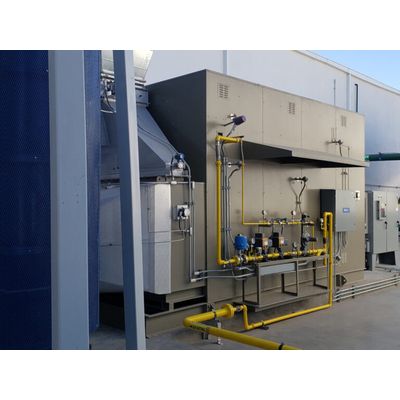
Pollution Systems - Recuperative Catalytic Oxidizers for VOC and HAP Destruction
Pollution Systems offers Recuperative Catalytic Oxidizers (RCO), which are effective solutions for air pollution control, particularly in applications requiring the treatment of low VOC process streams. These oxidizers achieve high destruction efficiency of volatile organic compounds (VOCs) and hazardous air pollutants (HAPs) at considerably lower temperatures compared to traditional thermal oxidizers, resulting in reduced fuel consumption and operational costs. They are designed to convert VOCs into carbon dioxide, water vapor, and thermal energy, minimizing NOx and CO emissions. The system's integration with a heat exchanger allows for energy recovery and potential auto-thermal operation, eliminating the need for additional fuel. Furthermore, there are electric catalytic versions that use electricity, offering a more sustainable approach. These systems are tailored to industry-specific needs, ensuring optimal performance in various industrial applications, including odor control in manufacturing and emission reduction in sterilization facilities.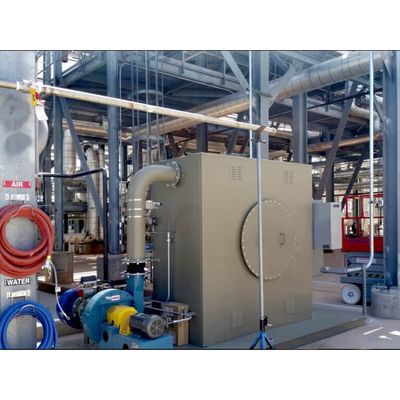
Pollution Systems - Electric Catalytic Oxidizer for Emission Control
The Electric Catalytic Oxidizer (ERCO) is an advanced emissions control solution that eschews traditional gas burners for electric heaters to achieve the catalyst operating temperature. This allows the system to convert Volatile Organic Compounds (VOCs) into water vapor, carbon dioxide, and thermal energy without the fire risks associated with gas-burning systems. Not only does this method reduce harmful emissions, but it also offers a flexible design and reduced installation and operational costs. The ERCO system is particularly beneficial for industrial facilities that lack easy access to natural gas or seek to minimize environmental hazards linked to gas emissions. Additionally, the Electric Catalytic Oxidizer is engineered to meet varied operating and production needs, ensuring high reliability and sustainability, along with a low economical lifetime cost. This solution is ideally suited for industries focused on maintaining environmental compliance and sustainability goals.Enclosed Flares - Wet Scrubbers
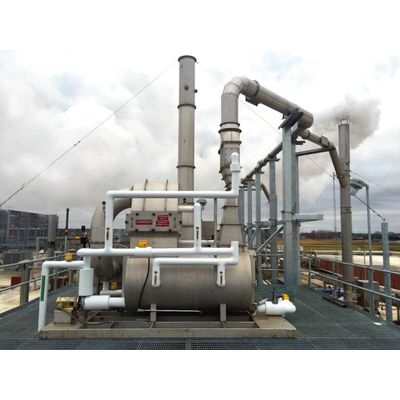
Pollution Systems - Particulate Dust Scrubbers
Particulate Dust Scrubbers are specialized wet scrubbers designed to target and control particulate matter such as PM10 and PM2.5. These scrubbers are particularly effective in environments where fine dust or sticky residues are prevalent, including food manufacturing. The system operates by introducing a liquid, typically water, into the waste gas stream, where it captures particulates which then settle in the sump for removal. The treated gas is released via an exhaust stack. Pollution Systems offers customizable high-energy scrubbers including Venturi and Multi-Vane Scrubbers, tailored to individual process requirements. These solutions are engineered for robust performance and minimal maintenance, optimizing efficiency in various industrial applications to ensure compliance with environmental standards.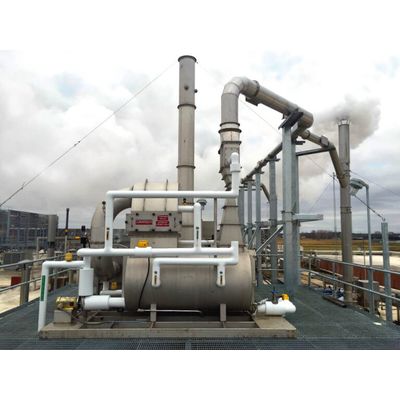
Pollution Systems - Industrial Venturi Particulate Scrubber
Venturi Scrubbers from Pollution Systems are advanced air control systems designed to efficiently remove particulate matter, including PM2.5 emissions, from industrial exhausts. These scrubbers are suitable for a variety of batch and continuous process applications. The system features a venturi throat that increases the velocity of exhaust gases, enhancing the capture of particulates in scrubbing liquid droplets. Subsequently, the particulate-laden liquid is separated from the exhaust gas using gravity and mist eliminators. The scrubber provides high removal efficiency of over 99%, making it ideal for handling gases at high temperatures and containing moisture. The design includes a small footprint, relative ease of maintenance, and versatile construction options. An optional Clean-In-Place (CIP) system further simplifies maintenance by integrating nozzles and ports for chemical injection, which keeps the system clean. Venturi Scrubbers find application across industries for maintaining high on-stream performance, showcasing their adaptability to various pollution control requirements.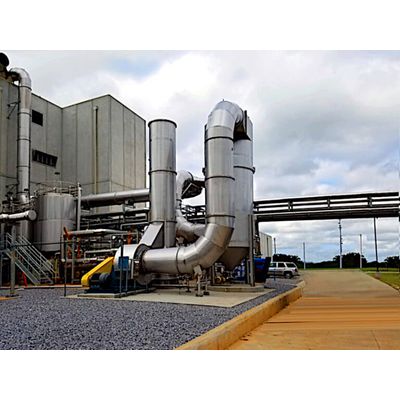
Pollution Systems - Multi-Vane Particulate Scrubber for Industrial Gas Treatment
The Multi-Vane Particulate Scrubber (MVS) from Pollution Systems is engineered to effectively treat industrial gas streams, particularly those with high moisture content and elevated temperatures. Featuring a design with multiple throats, it enhances the scrubbing process by creating a fine mist of water that effectively captures particulates. As high-velocity, particle-laden air enters the scrubber, it interacts with scrubbing fluid to form a mist cloud which undergoes cyclonic action. This process allows for the separation of particulates, with the resultant clean air being expelled through a system fan. The MVS operates with a minimal number of moving components, namely a fan and a recirculating pump, leading to higher reliability and reduced energy consumption. The system's inherent self-cleaning capability and the automated controls make it a low-maintenance air pollution control solution. Capable of removing particulates, such as PM2.5, from exhaust streams at or above 99% efficiency, it is suitable for applications involving sticky or moisture-laden particulates.Green Alternatives
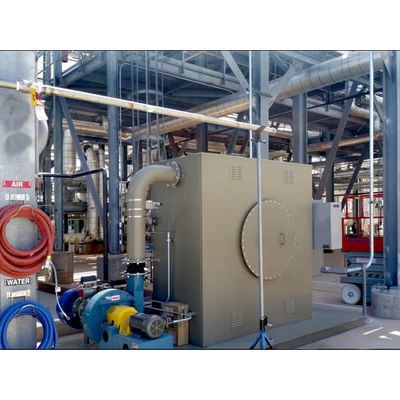
Pollution Systems - Electric-Powered Air Pollution Control Systems
Pollution Systems offers electric-powered solutions that operate with electricity rather than natural gas. This function allows flexibility in your operations, especially if natural gas is not accessible at your facility. If your company’s core values stem from sustainability and a cleaner industrial environment for the future, our electric options allow you to reduce fossil fuel usage at your plant; however, if sustainability is the driving force behind choosing an electric-powered APC system, it is worth considering the generation of the electricity, as much of the U.S. grid still relies on the burning of fossil fuels to generate electricity.