

PRIMA Environmental, Inc. services

Bare Bones Treatability Testing Service
Sometimes simple is all you need. Bare Bones treatability tests are simplified versions of PRIMA’s traditional treatability tests. Each Bare Bones test is designed to address a very specific question at a much lower cost than a more detailed study. Bare Bones tests are ideal for situations in which you need a yes/no answer or confirmation of an expected result.
Soil Oxidant Demand Services
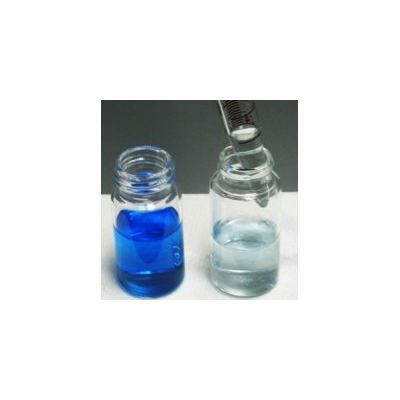
PRIMA routinely measures soil oxidant demand / oxidant persistence for the following oxidants:
Chemicals of Conern Removal Studies
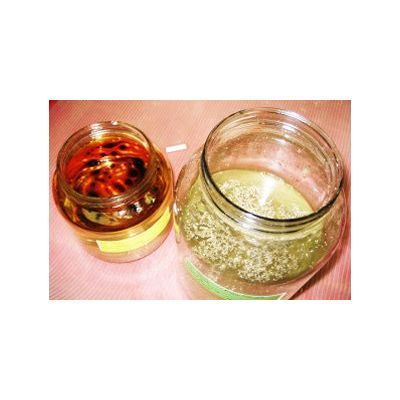
It is tempting to assume that if an oxidant is consumed, it must be reacting with the chemicals of concern (COCs), but this is not necessarily true. Similarly, addition of a carbon substrate does not guarantee that a COC will be biodegraded.
In situ Chemical Oxidation / In situ Chemical Reduction (ISCO/ISCR) Service
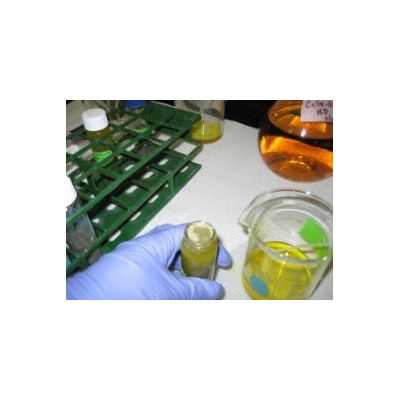
PRIMA has conducted thousands of bench-scale tests to evaluate in situ chemical oxidation (ISCO) and in situ chemical reduction (ISCR). Oxidants evaluated include permanganate, ozone, ozone plus peroxide, persulfate, activated persulfate, hydrogen peroxide, and catalyzed hydrogen peroxide (Fenton’s reagent). Reductants evaluated include calcium polysulfide (CaSx), zero-valent iron (ZVI), and hematite.
Bioremediation Studies Service
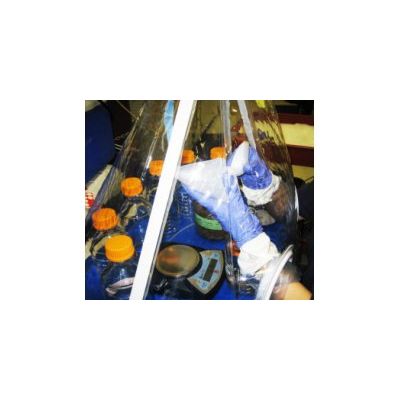
PRIMA frequently performs studies to assess aerobic and anaerobic biodegradation of a variety of contaminants. Tests have been conducted using various electron donors and cultures to assess their ability to enhance or augment bioremediation of TPH, chlorinated solvents, or NDMA. We have also custom designed studies to assess the effect of soil saturation on contaminant biodegradation and to estimate the rate of anaerobic biodegradation of DDT in sediment.
Custom Lab Work Service
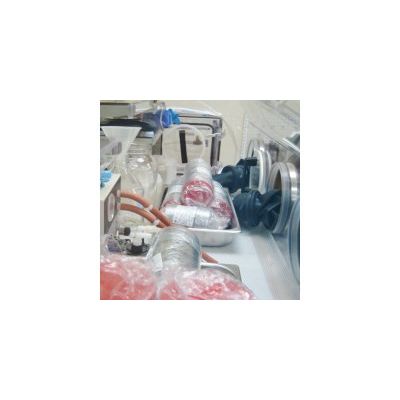
PRIMA has designed and conducted many bench-scale studies to assist clients in better understanding their sites. Examples of such tests include: Extraction of pore water from soil cores under anaerobic conditions. Investigation of the potential for natural formation of Cr(VI) in soils, through measurement of easily reducible manganese and other parameters. Development of a method to measure the soil reductant demand of calcium polysulfide (CaSx) in order to better estimate the amount of CaSx needed for in situ reduction of Cr(VI).
In Vitro Bioaccessibility (IVBA) / Physiologically Based Extraction Tests
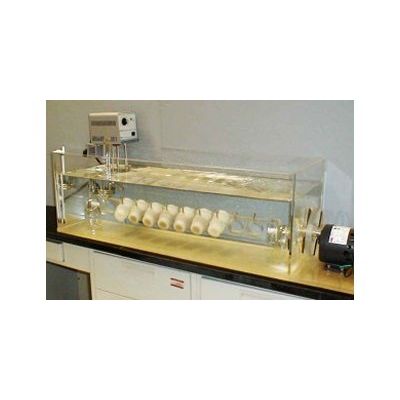
PRIMA performs in vitro bioaccessibility tests for lead according to EPA Standard Operating Procedure 9200.2-86. This method uses simulated stomach conditions to measure the amount of lead that may be leached from ingested soil. Soil may be elevated in lead, but if the lead is not bioavailable, then the soil may pose little risk to human health. For more information about IVBA testing, visit EPA’s IVBA FAQ page.
Treatability Testing Service
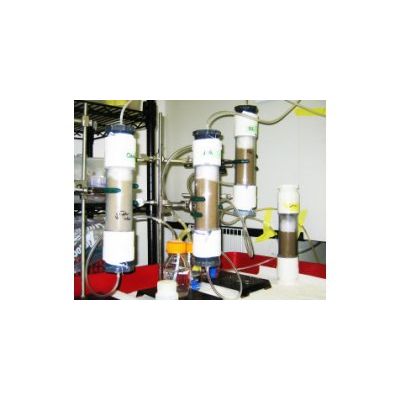
Treatability testing encompasses a wide range of tests that can help you identify an appropriate remediation technology, spot potential problems before going into the field, and assure your client that your approach to environmental concerns at his/her site is sound.
Secondary Effects of Treatment Service
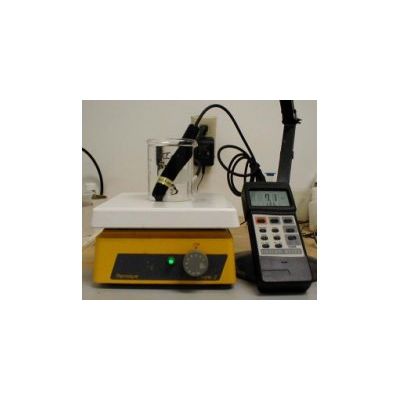
PRIMA routinely evaluates potential secondary effects of in situ remediation technologies. The most common secondary effects of concern are oxidation of naturally occurring soil chromium to Cr(VI) during ISCO or mobilization of arsenic upon addition of a electron donor to stimulate anaerobic bioremediation. The magnitude, duration and significance of secondary effects is site-specific.