

RTP Environmental Associates, Inc. services
Air
Air Permitting & Compliance Service
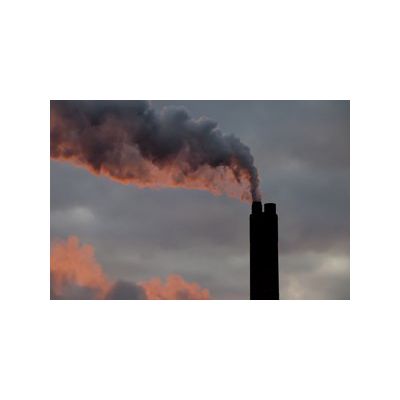
RTP provides comprehensive services to assist clients with obtaining environmental permits and necessary approvals to construct, modify and operate air emission sources. RTP’s team of experts has and continues to assist clients with a wide array of air permitting and compliance needs including, but not limited to, State and Federal registrations, construction and FESOP Permits, PSD permits, Title V Operating Permits, non-attainment offsets and bubble permits.
Air Quality and Meteorological Monitoring Service
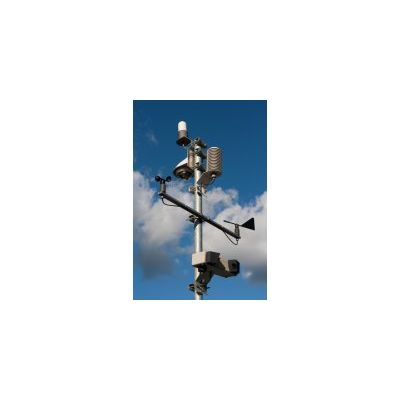
RTP maintains strong capabilities in ambient and indoor air quality monitoring. We have extensive experience in performing monitoring studies for criteria pollutants as well as hazardous air pollutants and air toxics. Projects range from walk through surveys to continuous monitoring systems for ambient, stack or workplace environments. Project designs include complete PSD qualified monitoring systems for new projects to specialized approaches to meet specific project requirements. Designs have included fully automated systems with remote data processing for a variety of clients. RTP can can provide full technical support for all operating systems or work with on-site staff, depending on project and management needs. Where appropriate, grab sample collection programs can be deployed to address specific project concerns.

Meteorology & Dispersion Modeling
One of the principal activities at RTP is applying atmospheric dispersion models for permitting, EIS development, facility design, health risk assessments and other special purposes. RTP’s experience and knowledge allows us to provide the best possible modeling scenarios for individual project needs. We define the operational flexibility essential to your business and then work closely with your project team to achieve regulatory compliance thresholds. RTP provides services that address project needs including the initial discussions of project specifics, agency approvals of modeling protocols and databases, defending the results and obtaining final project approvals.
Emission Inventory & Process Analysis
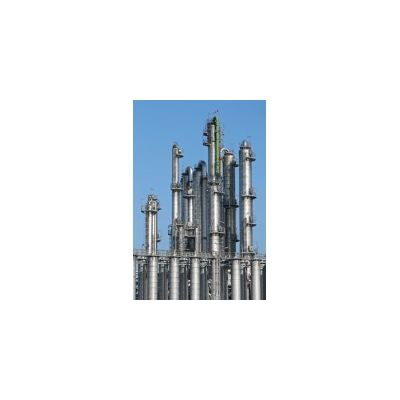
Emission inventories and process analyses are applicable to a number of air regulations from permitting applications to compliance audits, worker health and safety issues, the demonstration of compliance with ambient air quality standards and permit requirements as well as other specialized requirements. RTP’s vast experience with pollution source processes and air regulations coupled with our varied project experience provides clients the assistance required to meet all regulatory demands for each specific project.
Control Technology Determination/Evaluations
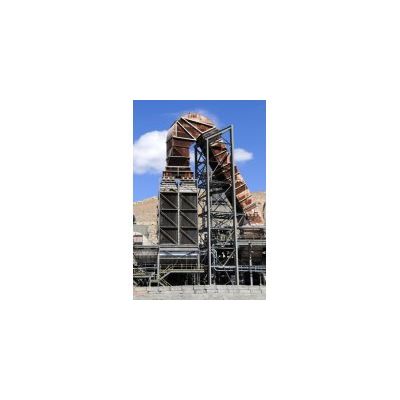
Increasingly stringent environmental regulations require higher performance and greater reliability for new air pollution control (APC) systems. Existing APC systems become subject to new requirements for monitoring, recordkeeping, and reporting as new deadlines and thresholds are developed by agencies. Failure to comply can mean significant penalties for the APC system owner and/or operator. Therefore, it is imperative for owner/operators to carefully plan new APC system projects and to assure compliance of existing APC systems. RTP’s services for APC system projects are particularly well-suited for assisting clients with these efforts.
Risk Management Planning (RMP)
RTP understands the intricacies associated with successful preparation and implementation of RMP at a facility. In fact, RTP wrote the book on RMP, Risk Management Planning Handbook, published by Government Institutes in March, 1998, second edition Summer, 2002. RTP understands that the successful preparation of a RMP for a facility requires close-working cooperation between on-site staff and the consultant. On-site engineers typically know the process much better than any consultant coming to the facility for the first time. On-site personnel are also familiar with the maintenance, training and the organization of on-site records.
Vapor Intrusion Monitoring and Modeling
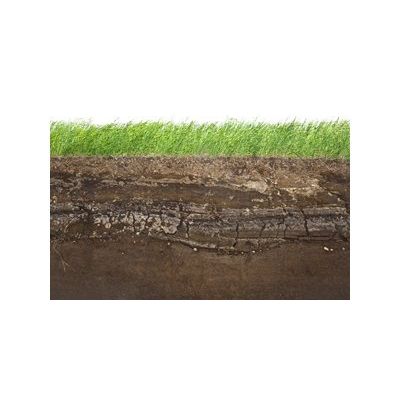
Vapor intrusion and population exposures to toxic or hazardous materials are commonly regulated by local health authorities and permitting agencies. The transport of vapors in various subsurface soil and into the vicinity of permeable structures provides a pathway of exposure to toxic and hazardous materials. RTP staff have conducted surveys to identify vapor intrusion and worked with engineering groups to provide solutions that mitigate exposures to sensitive receptors. Since the problems are usually localized and specific to individual projects, a detailed discussion of the issues and the potential solutions or mitigative measures would then be recommended. You should contact your local RTP office to obtain information on the solutions RTP can provide.
Air Toxics
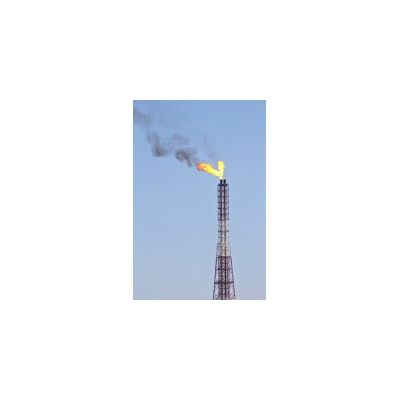
Air toxics are becoming an important environmental concern for many source categories. Air toxics can involve all media. Being able to evaluate all primary and lower order impacts is becoming part of various permitting and operating activities as well. RTP staff have experience in monitoring ambient air toxics, source emission inventories, evaluating control technologies, preparing permit applications, reviewing process operations, and performing reporting and recordkeeping compliance activities. Each source has specific characteristics that need to be assessed to determine the applicable regulatory requirements. Because of the unique problems posed by air toxics, we recommend that you contact your nearest RTP office to obtain information on addressing your individual project issues.
Indoor Air Quality
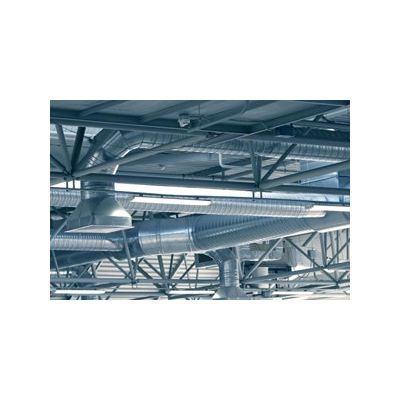
RTP provides a wide range of indoor air quality services. These include surveys to help resolve complaints raised by employees who may be suffering building-related symptoms such as respiratory distressed allergic reactions more than usual colds and comfort-related complaints such as too hot, too cold or too dry.
Greenhouse Gases
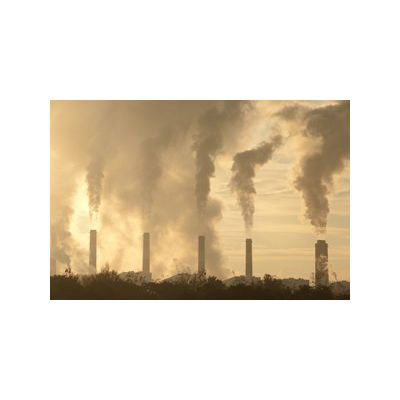
In the US, Greenhouse Gas (GHG) emission policy is evolving both at the Federal and State levels. Many GHG emitters are now obligated to quantify and report actual annual GHG emissions to the EPA under 40 CFR 98, Mandatory Reporting of Greenhouse Gases, generally referred to as the Greenhouse Gas Reporting Program (GHGRP). Many States have similar GHG emission reporting programs. In addition, as per the modifications to Federal Regulation 40 CFR 51, 52, 70 and 71 (Prevention of Significant Deterioration and Title V Greenhouse Gas Tailoring Rule) new or modified PSD and Title V sources are now required to quantify GHG emissions as part of the air permitting process.