

Stanford Materials Corporation (SMC) products
Rare Earth Metals - Cerium Metals
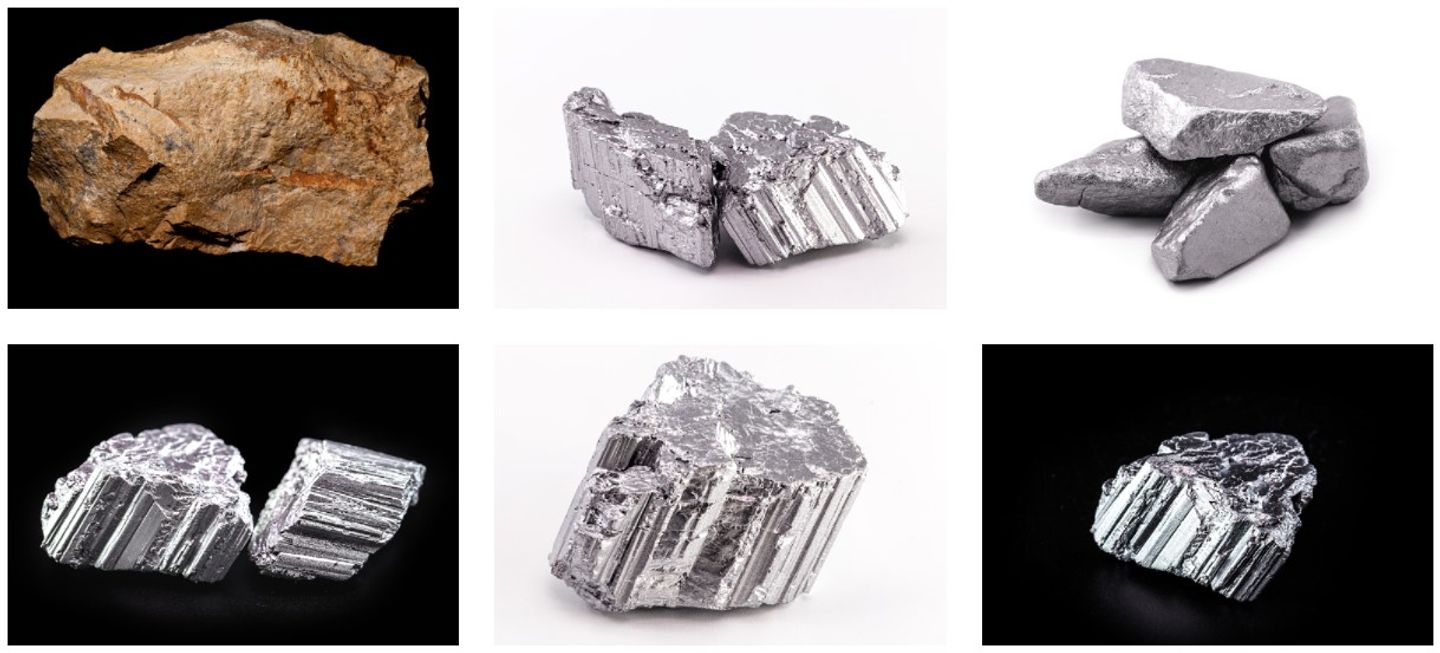
Stanford - Model Ce - Cerium Metals
CAS#: 7440-45-1, m.p. 795 °C, b.p. 3468 °C, Density 6.67 gm/cm3. Lustrous, silvery-dark gray, relatively stable in air.
Oxides - Cerium Oxide
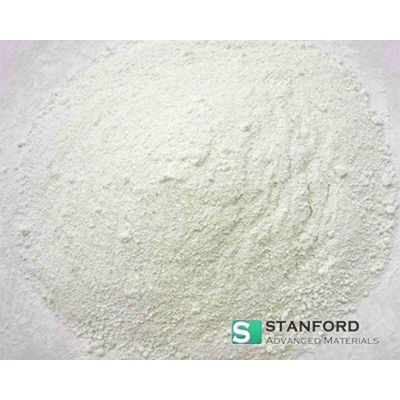
Stanford - Model OX1008 - Cerium Oxide Powder
Cerium Oxide is a pale yellow / white powder with the chemical formula CeO2, normally formed by the calcination of cerium oxalate or cerium hydroxide.
Oxides - Dysprosium Oxide
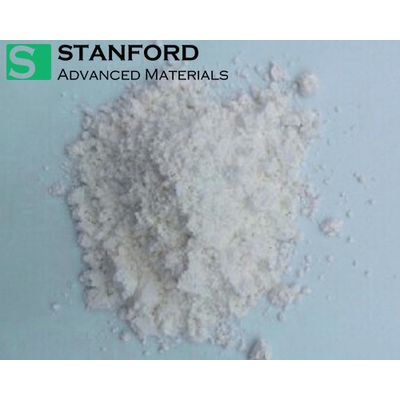
Stanford - Model Dy2O3- OX1083 - Dysprosium Oxide / Dysprosia Powder
Dysprosium Oxide (Dy2O3), also known as Dysprosium (III) oxide, is a white powder suitable for ceramics, glass, phosphors, lasers, and metal halide lamp applications. Stanford Materials Corporation (SMC) provides the highest quality dysprosium oxide (dysprosia). Our ultra-high purity dysprosium oxide can be up to 99.999%. Custom size is available.
Oxides - Erbium Oxide
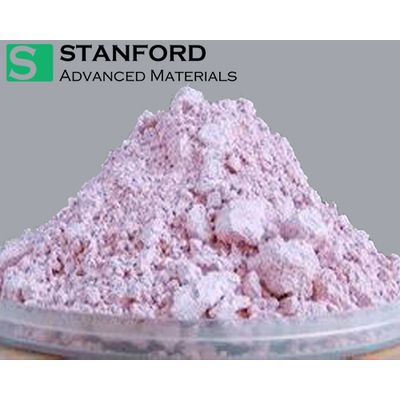
Erbia - Model OX1104 - Erbium Oxide Powder
Erbium Oxide, also known as Erbia, is a light pink powder in appearance with a cubic crystal structure. Er2O3 is insoluble in water but soluble in mineral acids. Erbium Oxide readily absorbs moisture and carbon dioxide from the air. Stanford Materials Corporation (SMC) is a trusted supplier of high-purity erbium metals and a wide variety of erbium compounds including Erbium Fluoride (ErF3), Erbium Chloride (ErCl3), and Erbium Iodide (ErI3).
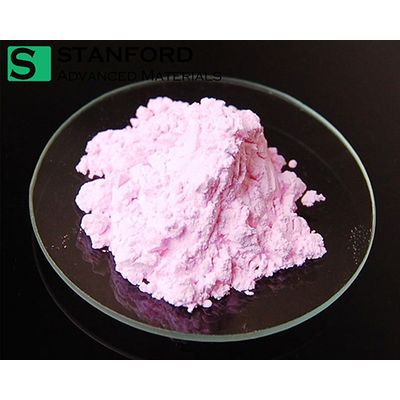
Stanford Chemicals - Model OX1511 - Nano Erbium Oxide Powder
Stanford Materials Corporation (SMC) is a trusted supplier of Nano Erbium Oxide (Er2O3).
Compounds - Acetates
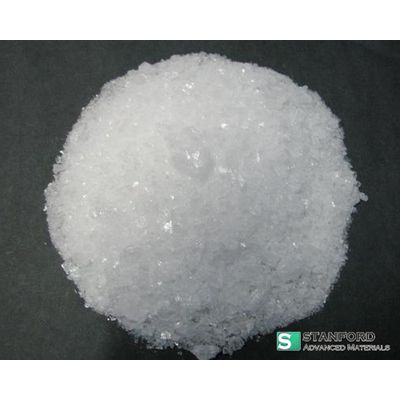
Stanford - Model CE1010 - Cerium (III) Acetate
Cerium (III) acetate is a white crystal with the chemical formula Ce(CH3COO)3. Cerium acetate (III) hydrate can be used as the starting material for the synthesis of CeO2 nanoparticles. Stanford Materials Corporation (SMC) provides cerium (III) acetate with a wide range of sizes and purity grades. We`re capable of supplying custom materials per any specs/drawings you provide with us.
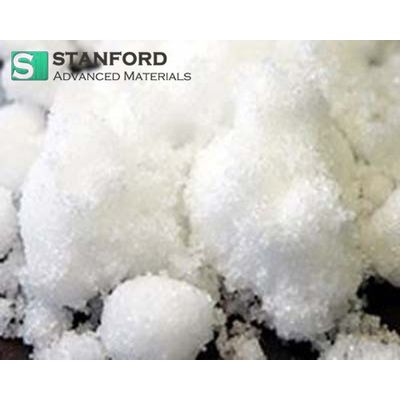
Stanford - Model EU1156 - Europium Acetate
Compounds including chlorides, sulfates, and nitrates, are soluble in water or polar organic solvent. Lipophilic europium complexes feature acetylacetonate-like ligands. Europium compounds tend to exist in the trivalent oxidation state under most conditions. These compounds feature Eu(III) bound by 6-9 oxygenic ligands (typically water). Compounds including chlorides, sulfates, and nitrates, are soluble in water or polar organic solvent. Lipophilic europium complexes feature acetylacetonate-like ligands. Europium compounds tend to exist in the trivalent oxidation state under most conditions. These compounds feature Eu(III) bound by 6-9 oxygenic ligands (typically water).
Compounds - Borides

Stanford - Model CE1848 - Cerium Hexaboride Cathodes
The cerium hexaboride (CeB6) cathode has the advantage of high current emission density, the unique properties of cerium hexaboride crystals provide a stable electron-emitting medium with a work function of less than 2.6 eV. The low work function produces a higher current at lower cathode temperatures, which means higher brightness or current in the beam, and longer CeB6 cathode life. Compared to the LaB6 cathodes, CeB6 cathodes have a lower evaporation rate and lower influence on current density in the O2 atmosphere.