


- Home
- Companies
- Surfcleaner AB
- Applications
Surfcleaner AB applications
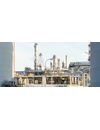
In recent years Oil & Gas companies are working hard to reduce greenhouse gas emissions and minimize their carbon footprint. Refineries have to comply with emissions and wastewater regulations which have been updated according to the Paris Climate Agreement.

It is crucial for an oil port’s environment that any oil spill is removed from the water efficiently. Both storm water and oil leakages may cause a serious wastewater problem because it contains a lot of hydrocarbons if not treated properly.

When mines and tunnels are being excavated an immense amount of contaminated wastewater emerges: process and construction water, cleaning water and storm water.

Water is used in most processes of iron conversion and metal production. Large amounts of wastewater and cooling water are generated during these processes.
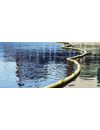
Oil spills, whether they happen in a refinery, in a harbour or marina, an industrial water reservoir, or on a lake surface, can inflict a lot of damage to the ecosystem, pollute shores, or disrupt industrial operations. If an oil spill is not removed in a timely manner, nature will undergo drastic impacts.
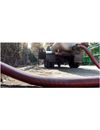
Traditionally, from all oily wastewater collected from industries and waste facilities only around 50% of oil is separated from water and can be reused. The rest of the oil/water emulsion is often mixed with soil and straw to create compost for landfill.

Despite the fact that petrochemical, chemical and pulp & paper industries are trying to decrease by-production of wastewater, a vast amount of cooling water and process water still needs to be treated.

Industries extensively use water in their manufacturing, cooling and washing processes, unavoidably producing oil-contaminated wastewater during their production cycle.