
Total Equipment Training training
Heavy Equipment Operator Training
Aerial Work Platform (AWP) Operator Training & Qualification
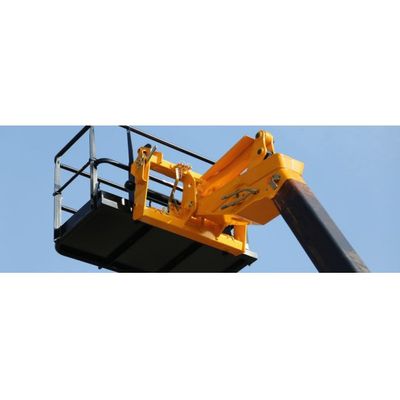
Scissor lift, man lift, boom lift, cherry picker, stock picker…No matter what you call it or what type of lift your organization uses, OSHA requires that all aerial work platform operators receive training to work on them, as well as to recognize any kind of hazard that could make a lift task dangerous. Beyond the regulations for operating the aerial work platform (AWP), many lifts are covered under OSHA’s fall protection regulation 1926.503.
Bulldozer Training Courses
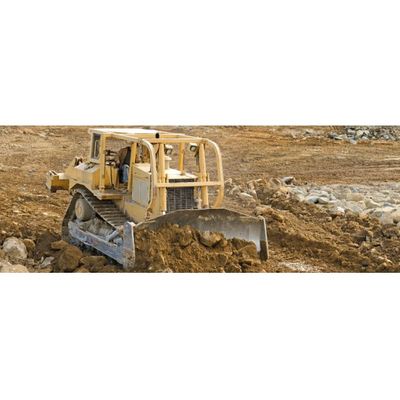
Grading terrain or moving earth and rock is hard work. In addition, operating heavy equipment like a bulldozer comes with a significant amount of responsibility. To ensure any piece of equipment is being operated safely and correctly, your employees should be qualified to operate the equipment. Bulldozer operators who have proper training can help reduce the number of errors and accidents on job sites. Total Equipment Training has expert trainers who give you complete bulldozer training even in harsh conditions. Contact us today and learn how to operate a bulldozer and earn well.
NCCCO Training
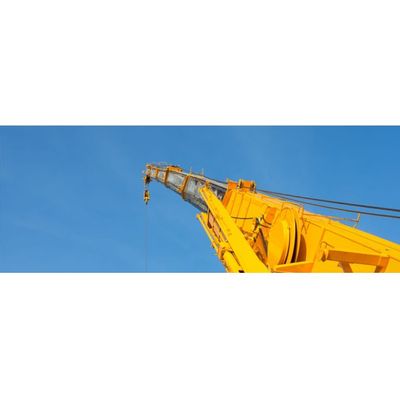
Mobile Crane Certification - 29 CFR 1926.1400
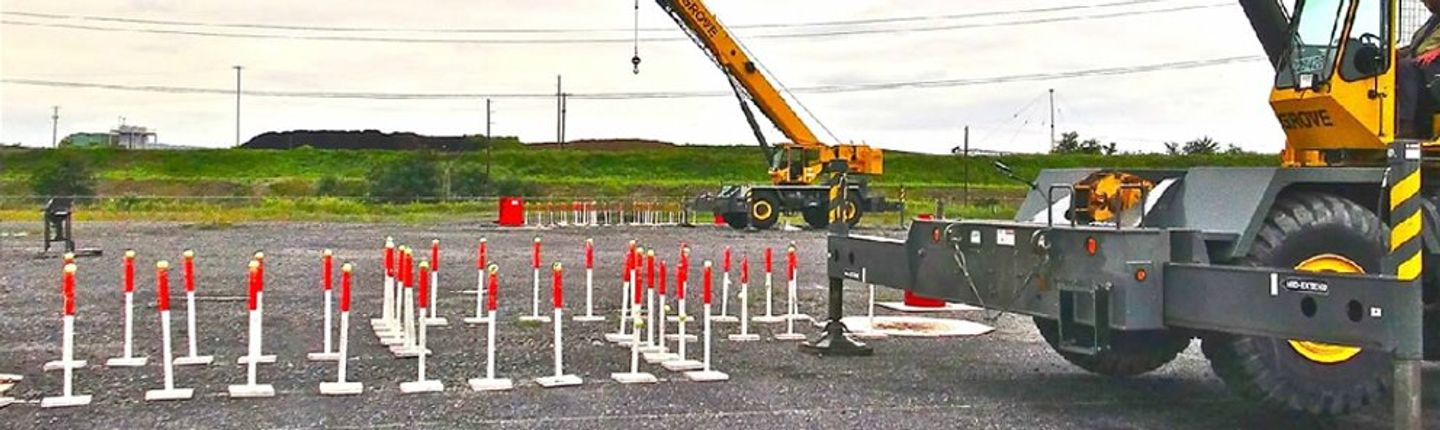
In accordance with OSHA 29 CFR 1926.1400, Total Equipment Training offers crane certification through the National Commission for the Certification of Crane Operators (NCCCO). The NCCCO certification program is recognized by the Federal Occupational Safety & Health Administration as meeting OSHA’s requirements for crane operator competency. The crane operator certification is mandatory for crane operators who work in industries like construction. Different states have different criteria that must be met before issuing a crane operator license.
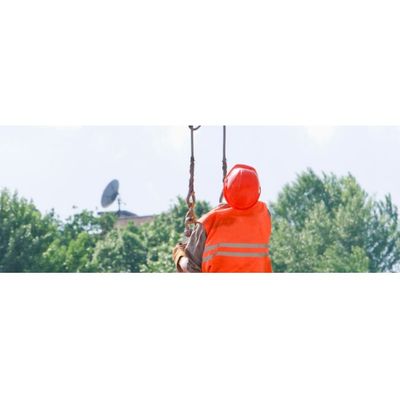
NCCCO Rigger I Certification
OSHA requires a “Qualified” Rigger during assembly/disassembly of cranes and when a person is engaged in hooking, unhooking, guiding a load, or the initial connection of a load to a component or structure and is within the fall zone (1926.1404; 1926.1425). Employers can opt to train their riggers in-house to qualify them for the specific rigging duties required (site specific). However, this qualification is only recognized while working for that employer.
OSHA Safety Training
OSHA Confined Space Training Courses
Working within confined spaces is dangerous and challenging work. To help alleviate the risk, OSHA requires in-depth confined space training for all workers who are either exposed to or have the potential of being exposed to the hazards of working within a confined space. Confined spaces can be found on job sites in many areas including manholes, pipelines, pits, silos, tanks, and storage bins. Our on-site confined space training program is designed to protect authorized employees that will enter confined spaces and may be exposed to hazardous atmospheres and conditions. During our training program, employees will learn how to work with the limitations that these spaces present and identify hazardous conditions.

Fall Protection Training Courses
In the U.S. construction industry, falls are the leading cause of work-related fatalities. On average, 150 to 200 workers are killed each year and more than 100,000 are injured as a result of falls at construction sites. Because of this, fall protection training has become an invaluable program at any job site. The objective of a fall protection training course is to make sure employees are aware of, and are protected from, the hazards of working at elevated heights.
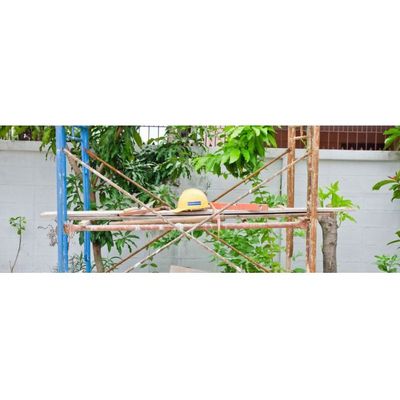
OSHA Scaffolding Training Courses
Scaffolding at job sites is a potential hazard to the work environment as fall, falling objects and structural instability are all dangerous possibilities that pose a threat to the workplace, employees, and bystanders. To help alleviate the risk, OSHA requires in-depth scaffolding training for all workers that must use, erect, secure or dismantle scaffolding. Our on-site scaffolding training program provides a general overview of the necessary safety measures that are required when working with or on scaffolding. During our training programs, employees will learn how to maximize safety for themselves and those around them and identify any potential hazards.
Crane Inspection
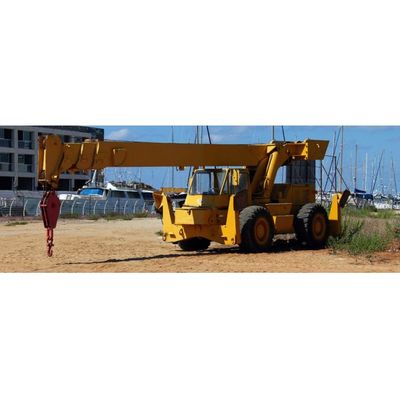
Mobile Crane Inspection Training Courses
The following are inspection guidelines as outlined in ASME B30.5 (mobile and locomotive cranes) and OSHA 1926.1412 (Subpart CC Cranes & Derricks).
Overhead Crane Inspection Training
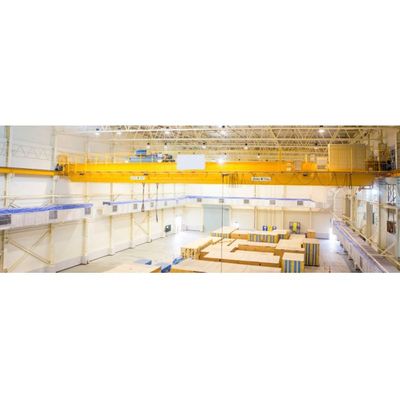
Cranes which are operated at least once per month, otherwise known as cranes in regular service, need to be inspected on a regular basis at intervals which depend on a few factors. Overhead crane inspection is done either at “frequent” intervals or “periodic” intervals based on the integral components, the degree of the crane’s exposure to wear and tear, and how many malfunctions the crane is subject to. Both overhead crane inspections are required to be done by a qualified person who must then ascertain if any deficiencies seen are safety hazards. “Frequent” overhead crane inspections pertain to the operating mechanisms, hydraulic systems, hooks, and hoist chains.