
Aerial Work Platform (AWP) Operator Training & Qualification
Scissor lift, man lift, boom lift, cherry picker, stock picker…No matter what you call it or what type of lift your organization uses, OSHA requires that all aerial work platform operators receive training to work on them, as well as to recognize any kind of hazard that could make a lift task dangerous. Beyond the regulations for operating the aerial work platform (AWP), many lifts are covered under OSHA’s fall protection regulation 1926.503.
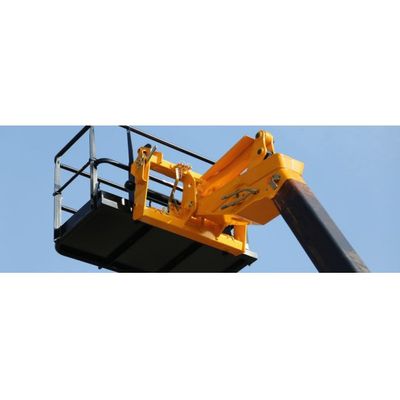
Aerial work platforms are devices which enable people and equipment to access areas that are hard to reach. There are a variety of aerial work platform types including Cherry Pickers, Scissor Lifts, Telescopic Booms, Articulating Boom Lifts, Stock Pickers, and many more. These devices can be powered by electricity, gas or a hydraulic system that powers a series of supports used to lift the work platform. Before doing these types of jobs you must take an aerial work platform (AWP) operator training course and have aerial work platform qualifications. Total Equipment Training offers excellent aerial work platform training; contact us today to learn about the aerial work platform (AWP).
The American National Standards Institute has a series of guidelines that aim to protect yourself and also your laborer’s while using aerial work platforms on any job site. In addition to their safety guidelines, the ANSI regulations require all aerial work platforms to be inspected before use to ensure that the equipment is operating properly. ANSI aerial lift safety guidelines also address the following components:
- Workers must wear proper fall protection equipment while on or operating the lift
- Brakes must always be active while workers are lifted
- The aerial lift can only be moved or adjusted when the lift is in the retracted position
- Workers must remain within the confines of the lift during operation
While the safety regulations by ANSI are only recommendations, the Occupational Safety and Health Administration (OSHA) has set requirements that all employers and employees that utilize aerial lifts must abide by. These aerial lift and aerial work platform operator training requirements and regulations are OSHA 1926.21, 1926.453, 1926.454. Qualifications include securing the lift or boom in a retracted position while the vehicle is in motion. Employees must wear the proper fall protection including a body harness and lanyard attached to the bucket, lift or boom, and obeying the weight limit set by the equipment’s manufacturer. In addition, OSHA requires all aerial lift operator training to be conducted by a qualified trainer. The training requirements include:
- Procedures for dealing with hazards including electrical, fall, and falling-object hazards
- Properly operating the lift
- Fall protection procedures
- Equipment positioning requirements
- Personal protection equipment
- Equipment manufacturer requirements