

Venturi Jet Pumps Ltd products
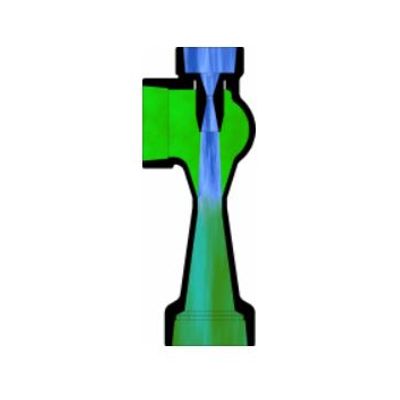
Hopper Eductors
The Hopper Eductor is a hopper equipped jet ejector designed to entrain and mix granular solids or slurries with liquid and discharge the mixture to a receptacle or transfer it to a desired location. Originally developed to mix drilling mud for oil industry applications, these devices have proved to be so effective and versatile that they are being applied in increasing numbers in diverse industries including the food, chemical processing, pharmaceutical, glass, water treatment, and power to name but a few. Hopper Eductors are also used extensively for ejecting sludge`s from tank bottoms, for pumping sand from filter beds and for washing and conveying granular materials.
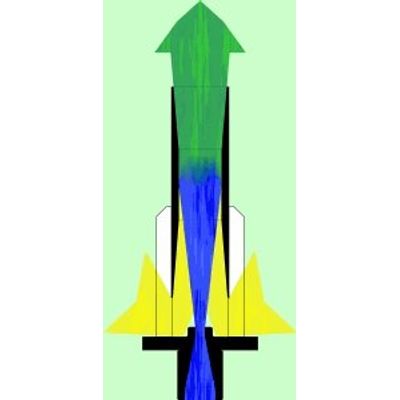
Tank Mixing Eductors
Tank Mixing Eductors can be used to agitate liquids, dissolve powdered solids into a liquid, keep solids suspended in a solution, or to mix two or more liquids intimately within a tank or other vessel without the use of baffles or moving parts. Mixing Eductors can be used to in the place of mechanical agitators and have the added benefit of having no moving parts to wear, break or become dislodged within the tank. Two types of Tank Mixing Eductor are available, the first type of eductor is more suited when it is desirable to start mixing from a shallow level or where uniform local agitation is required over large shallow tank area, where as the second eductor type is used where greater liquid depths are present. Installations can use any number and combination of sizes and styles of eductor and they can be mounted practically anywhere within the tank or vessel.
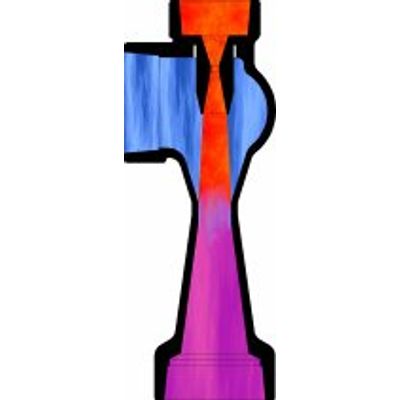
Steam Jet Syphons
Steam Jet Syphons operate on the steam jet principle utilising the energy of steam under pressure to pump, mix liquids and handle solids. In operation syphons use the kinetic energy of motive steam to entrain another liquid or slurry, completely mix the two, and then discharge the mixture against a head or counter pressure. Syphons can be used for the handling of corrosive or abrasive liquids and solids because of their design simplicity and the absence of moving parts. They are also especially well suited for processes where heating is required in addition to pumping since the pumping is accomplished for the cost of the heating.
Eductor
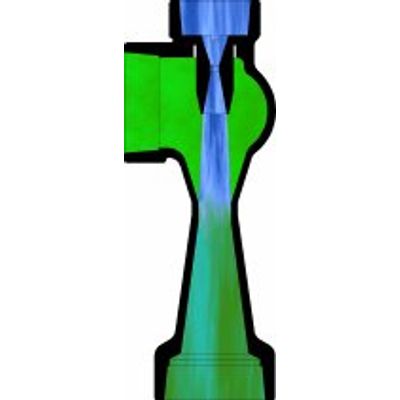
Liquid Jet Eductors
Liquid Jet Eductors (or Water Ejectors) use the kinetic energy of a motive liquid to entrain another liquid, completely mix the two, and then discharge the mixture against a counter pressure and are used in large numbers throughout industry for pumping and mixing operations. Applications are so numerous, it is impossible to note all of them. General uses include lifting, pumping, mixing, and agitating of liquids as well as handling granular solids and slurries. Some of the typical applications can be seen below: Draining flooded cellars, Emptying tanks and sumps or bunds, Pumping and mixing operations in oil treating systems, De-watering sand and coal barges, Introducing anti-knock fluids and colouring matter into gasoline, Continuous blending, Acidifying, Causticizing of oils, Mixing drilling mud, Producing emulsions, Pumping food products, Pumping sand and filter clay or activated carbon, Tank mixing, and various Proportioning operations
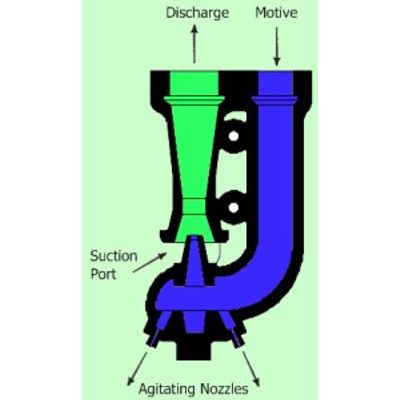
Sand and Mud Eductors
The Sand and Mud Eductors are recommended for use in pumping out wells, bore holes, pits, tanks, sumps and similar containers where there is an accumulation of sand, mud, slime or other material of a nature not easily handled by the standard eductors. The Sand and Mud Eductor differ from standard eductors as they have an open suction port which is designed to be submerged in the material being handled, this allows the eductor to entrain relatively large solids and particles that would otherwise block a conventional eductor. Another feature of this unit are the agitating jets installed at the base of the eductor, these nozzles help to stir the material surrounding the eductor and make it fluid. This effectively means the eductor can be left buried in mud or slurry, and when operated it will begin to excavate the surrounding solids and begin pumping.