

Warden Biomedia
- Home
- Companies
- Warden Biomedia
- Applications
8 Applications found

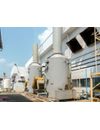
Warden Biomedia applications
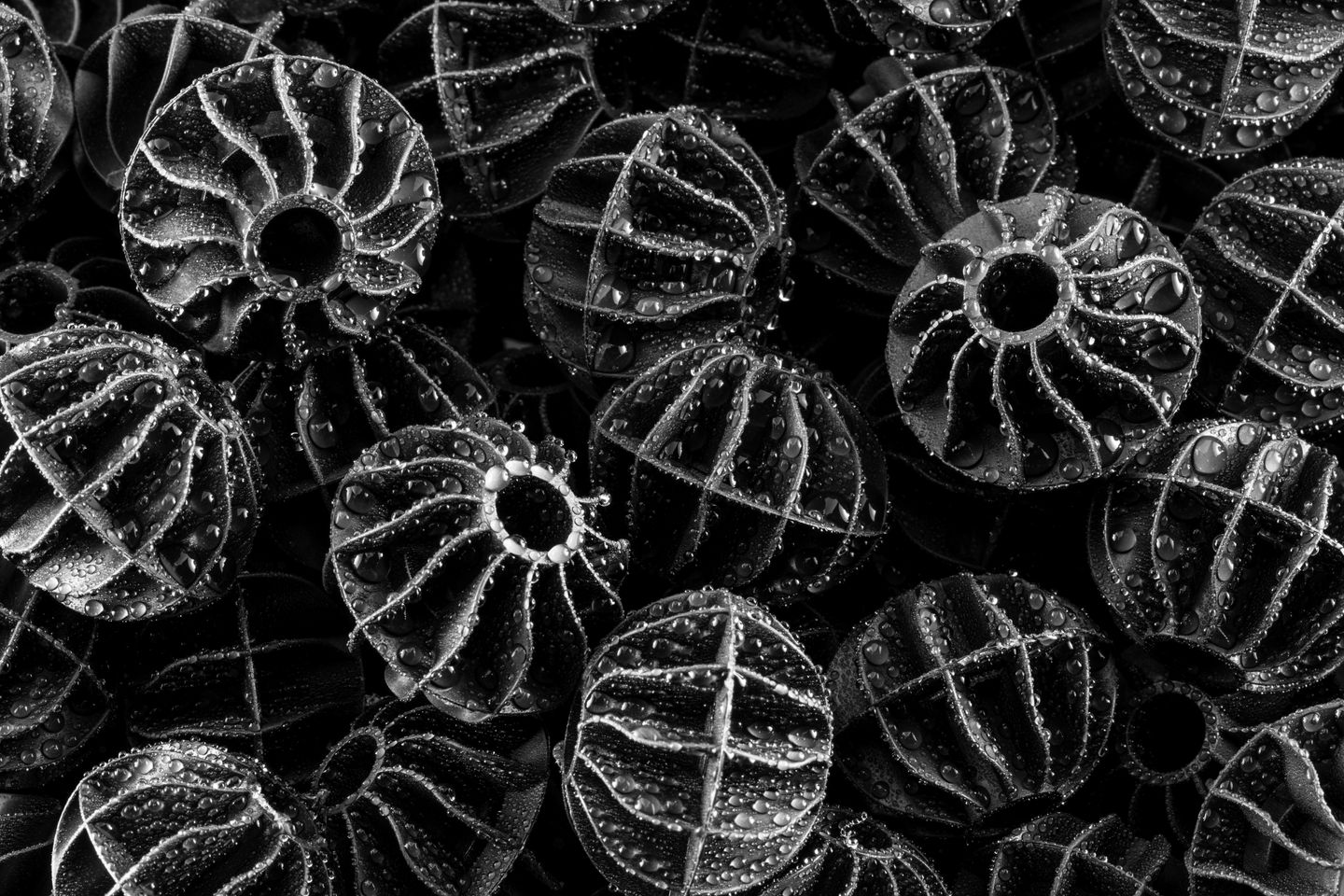
Maximise the efficiency of wastewater treatment processes with filter media designed specifically to provide optimum biological filtration.
FOR MUNICIPAL WASTEWATER:
Municipal wastewater treatment facilities face increasing pressure from tightening consents, population growth, nutrient removal and to reach carbon neutrality targets by 2050. All of which contribute to the need to upgrade or build new wastewater treatment plants. High surface area, high voidage filter media offer a cost effective solution to maximise the performance of both existing, and new, treatment works.
Our filter media can upgrade trickling filters or submerged aerated filters (SAF), and allow for easy conversion of activated sludge plants to integrated fixed film activated sludge (IFAS) or moving bed biofilm reactors (MBBR).
FILTER MEDIA FOR INDUSTRIAL WASTEWATER: Maximise the efficiency of wastewater treatment processes with filter media designed specifically to provide optimum biological filtration.
Industrial wastewater treatment processes remove organic and inorganic contaminants from effluent generated from different industries (such as; food & beverage, oil & gas, pulp & paper and chemicals) can be made more sustainable, energy efficient and with reduced footprint using high surface area and voidage filter media.
The media high surface area and large openings allow increased loading rate capacity which produces excellent effluent quality whether in aerobic or anaerobic operational conditions. Suitable for new-builds, maintenance media replacement or uprating or upgrading of existing plant, we have the media for the job.
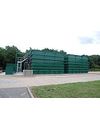


Although the activated sludge suspended growth process is the most common process for large municipal wastewater treatment facilities, traditional fixed film or attached growth processes, in which the biomass grows on a support medium, are widely used for smaller municipal works and many industrial applications.
Many industrial processes like food, drink and milk plants, slaughtering, rendering and industrial and municipal wastewater treatment plants can generate odours which create an unpleasant working environment and possible health and safety issues for plant operators as well as being a nuisance to the public in the surrounding area.
Eliminate odour issues with high surface area media to maximise performance of chemical or biological scrubbers.
Industrial processes such as food, drink and milk plants, rendering and industrial and municipal wastewater treatment plants can generate odours, creating an unpleasant working environment and possible health and safety issues for plant operators, as well as being a nuisance to the public in the surrounding area. Odours are caused by a variety of chemical species, the most common are; Reduced sulphur compounds (e.g. hydrogen sulphide, mercaptans and organic sulphides), Nitrogen compounds (e.g. ammonia tertiary amines and quaternary ammonium compounds), Volatile fatty acids (e.g. formic, acetic and butyric acids), Aldehydes and ketones (e.g. formaldehyde, acetaldehyde and acetone)
Solvents (e.g. toluene).
There are several approaches to odour mitigation based on chemical or biological treatment, and selection depends on the specific chemical species present.