


- Sewage Treatment Plants
- Sewage Treatment Plants - Wastewater Treatment Explained
- Septic Tank and Soakaway Problems and Septic Tank Solutions
- General Binding Rules Regulations - New 2020 Regulations for Septic Tanks - General Binding Rules
- Buying a House with a Septic Tank
- Buying a House with a Septic Tank - Septic Tank Dangers
- Septic Tank
- Soakaway Drainage Fields
- Soakaway Drainage Fields - Soakaway Crates and Tunnels
- Soakaway Drainage Fields - Failed Sewage System Insurance Claims
Water Technology Engineering Ltd. (WTE) services
Soakaway Drainage Fields
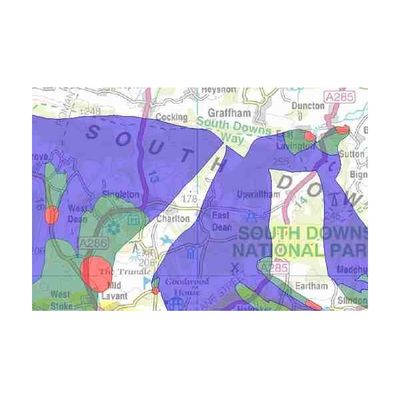
Groundwater Source Protection Zones
What is a Groundwater Source Protection Zone? The UK is not building new reservoirs. As the population increases, more and more groundwater is being extracted by the Water Companies for public supply. Groundwater now provides a third of our drinking water in England and Wales. In some areas of Southern England, groundwater supplies up to 80% of the drinking water and it is crucial that these sources of supply are protected to ensure that tap water is completely safe to drink.
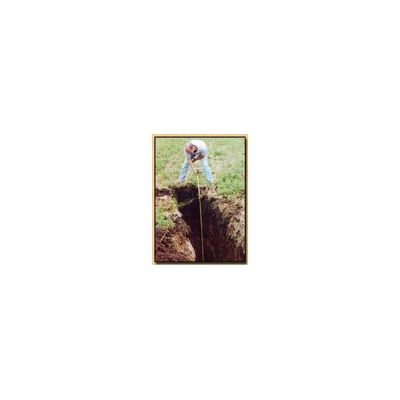
Trial Site Assessment Hole - Soakaway
Trial Site Assessment Hole - Building Regs. H2: Most people who are considering installing either a septic tank or sewage treatment plant soakaway drainfield have heard of the requirement to carry out percolation tests to test the porosity of the soil. However, percolation tests are NOT the first site test that needs to be done - they are the last. The first test that needs to be done on site is to determine the highest level of the water table - the Trial Site Assessment Hole (TSAH). If this test fails, then it is pointless doing the more involved percolation tests as you will not be allowed to install a soakaway anyway.
Percolation Test
The Percolation test method explained: The percolation test is the LAST of the 3 mandatory tests to determine if a new or replacement soakaway can be installed. You must do the Groundwater Source Protection Zone search and the Trial Site Assesment Hole first. There are two very different types of soakaway – foul water soakaways and surface water soakaways. Foul water soakaways deal with small volumes over a long period, whereas the rainwater soakaway may have to handle large volumes in a short time and the percolation test explained here is ONLY for foul water soakaways.( A typical test for a surface water soakaway would be a pit 1000 x 1000 x 2000mm filled to the brim and the level recorded at various times until the pit is empty.).
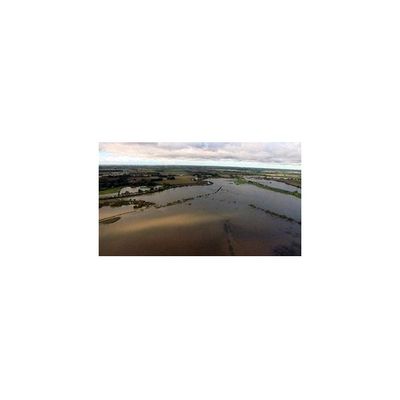
Sewage Treatment Solutions for Flood Risk Sites
Sewage Solutions for Flood Risk/Waterlogged Sites: Flooding and saturated ground are a significant problem for sewage treatment plants and as the UK receivesFlood at Gowdall more frequent severe rainfall events the issue of pollution from sewage treatment plants and septic tanks is an ever increasing threat.