

- Home
- Companies
- Xelect Ltd.
- Services
Xelect Ltd. services
Aquaculture Genetics Services for Aquaculture Breeders and Producers
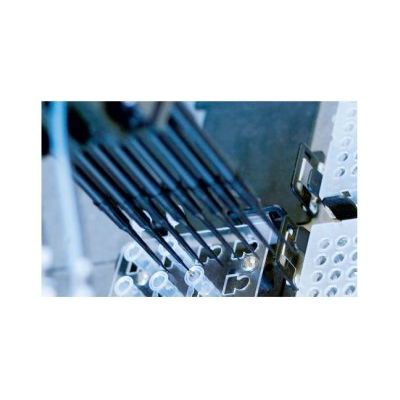
Genotyping Services
Xelect offers a comprehensive range of DNA genotyping services to the aquaculture industry. Below is a list of our main services but we are always keen to discuss new ideas and requirements.
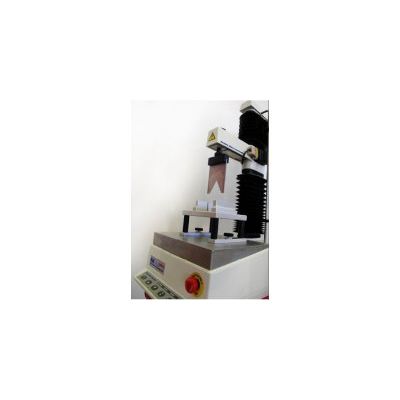
Texture Analysis Services
We are now offering a fast and cost-effective texture analysis service for salmon and trout. We are experts at measuring fillet firmness and tensile strength, and have a large database of texture values for reference. We use highly sensitive texture analysis equipment and have many years experience of flesh quality measurement.
Environmental Genomics

Invasive Species DNA Testing
Larval stages of many species are difficult to identify by conventional taxonomic analysis. Metagenomic analysis of seawater samples can reveal the species level composition of its plankton, which is extremely valuable in the assessment of invasive species transfer, in particular from ships ballast water. Similar analysis can be used to examine to the presence of cysts of toxic species of dinoflagellates and diatoms in ballast tank sediment, which may pose a threat to human health and aquaculture if released in shipping ports.
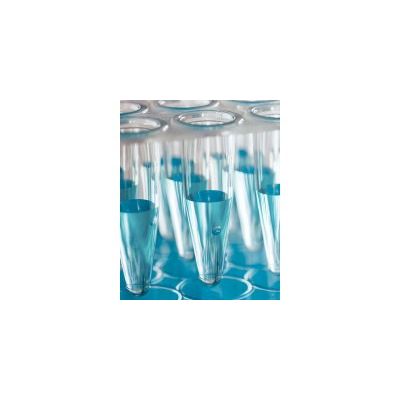
Taxonomic Support Services
DNA barcoding can facilitate a cost-effective and accurate species identification in challenging circumstances such as when a sample is incomplete, damaged, lacking key identifying features, or if the species is very morphologically similar to another. This is of particular importance when a species is of high value as an indicator of ecosystem health or environmental impact but is frequently misidentified as another species. DNA barcoding can be used to identify species present in the gut contents or faeces of a predator species, and even to determine the sex and species of the predator.
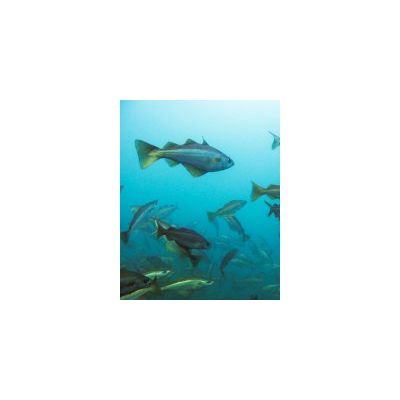
Ecosystem Monitoring Services
Local species abundance from DNA in water samples. Environmental DNA (eDNA) sequencing is useful for determining species composition of local macrofauna such as fish, mammals and birds by the analysis of DNA present within the water column, in the absence of the originating species. The DNA is either freely dissolved in the water or is present in cellular detritus from sloughed skin, faeces or mucus. eDNA has been shown to provide a good estimate of local and temporally variable species abundance, making the technique an essential tool for environmental monitoring.