
Dynatec Systems Inc.
- Home
- Companies & Suppliers
- Dynatec Systems Inc.
- Downloads
- The Dynatec Difference Membrane ...
The Dynatec Difference Membrane Configuration Ultrafiltration membrane systems in a tubular configuration Different membrane configurations ca
The Dynatec Difference
Membrane Configuration
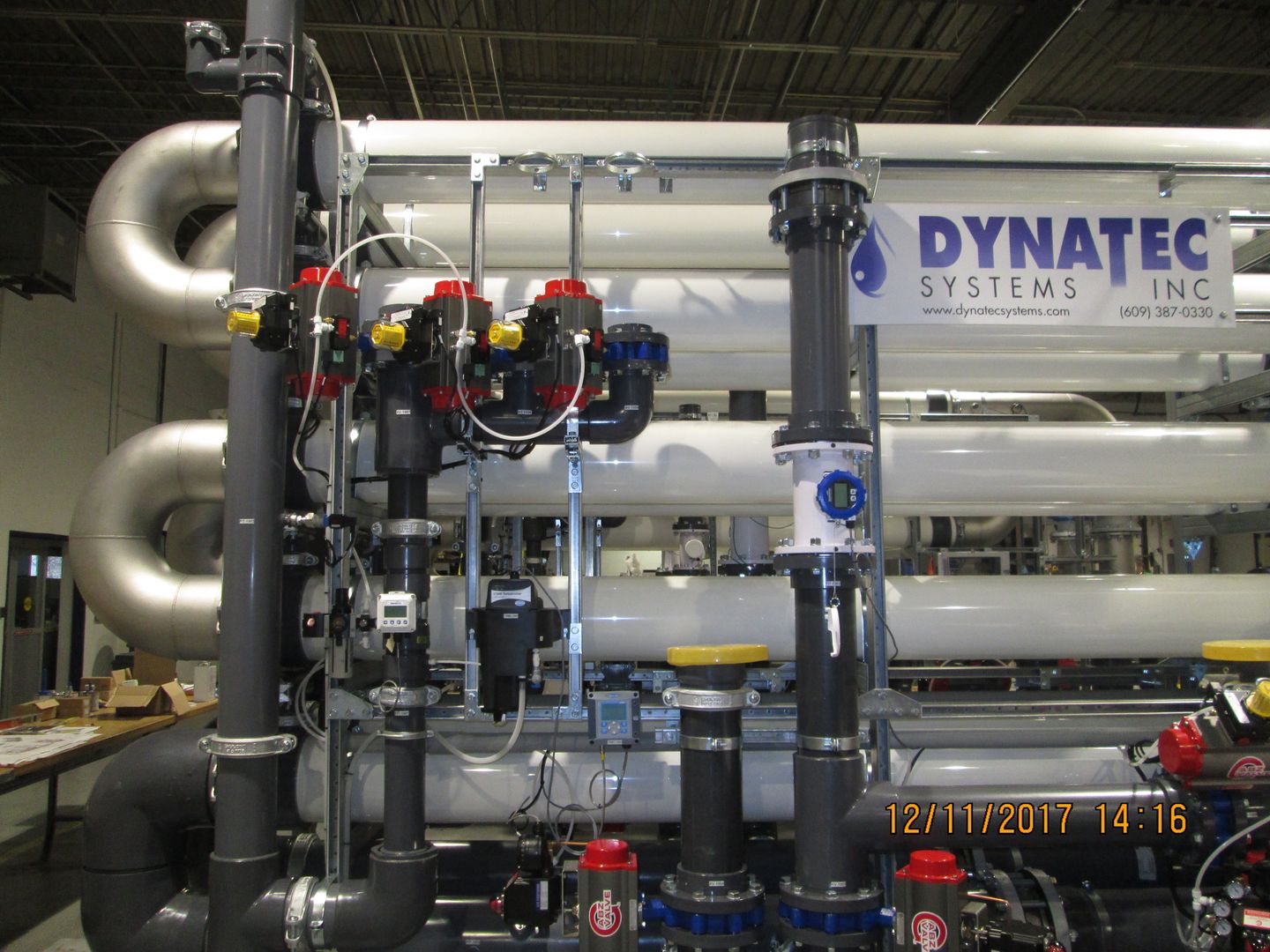
Ultrafiltration membrane systems in a tubular configuration
Different membrane configurations can be used for ultrafiltration process. Commercially
available designs in ultrafiltration modules vary according to the hydrodynamic and economic
constraints, as well as, the mechanical stability of the system under particular operating
pressures.
Tubular Membrane
The tubular module design uses polymeric membranes cast on the inside of plastic or other
components with diameters typically in the range of 5 – 25 mm with lengths from 5 – 20 ft.
Multiple tubes configurations are housed in a PVC, FRP or stainless steel shell. The feed of the
module is passed through the tubes, producing radial transfer of permeate to the shell side. This
design allows for easy cleaning.
Tubular modules are used in cross-flow, where the feed stream is passed over the surface of the
membrane. Permeate passes through the membrane while the components of the feed stream
that cannot pass through the membrane is retained and passes through and out of the system.
Low energy and high rate cross-flow operation are employed using tubular membranes,
depending on the feed fluid.
Conventional Cross-flow Operation (HiRate™)
The feed fluid passes across the membrane surface at high flow rate in order to minimize the
boundary layer of the foulants on the membrane surface. This operation is used in more difficult
treatment streams, such as oily waste, and where organic and scale-forming contaminants are
present
Low cross-flow operation (HyBrid™& DynaLift™)
The feed fluid passes across the membrane surface at lower flow rate. The DynaLift™ uses air to
help create energy at the membrane wall to minimize the fouling layer. Periodically, the
membrane is backwashed to prevent foulants from accumulating on the membrane surface.
Higher Quality
Rugged construction
Pressure, temperature and flow
using transmitters
Easy to navigate HMI screens
CPVC pipe to allow warm
cleanings
Better Performance
Positive circulation rate
produces higher and more
stable flux
High concentration due to low
reject with large tubular
modules
100% removal of suspended
and colloidal contaminants
Greater Dependability and
Reliability
High performance stainless
steel dynamic seal pump
High quality transmitters
High stable flux
External membrane skids
Lower Operating Cost
Less cleaning time and chemical
Less concentrate haul away
Extremely long membrane life
Most popular related searches