


- Home
- Companies
- Florida BioProcessing
- Products
- Biocoal of Carbon-Neutral Biofuel
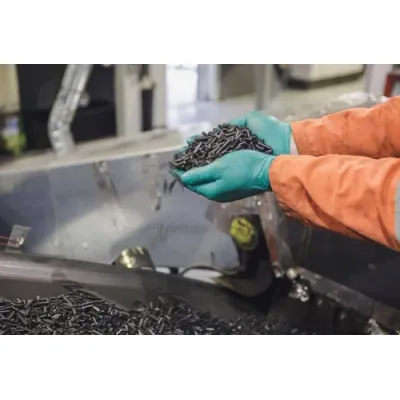
Biocoal of Carbon-Neutral Biofuel
Biocoal is an innovative biofuel known for its carbon-neutral properties, derived from organic waste through processes such as torrefaction and pyrolysis. These methods involve the thermochemical treatment and high-temperature decomposition of biomass, respectively. Biocoal serves as a sustainable alternative to traditional fossil fuels like coal and wood pellets, which are commonly used in coal-fired plants and industrial heating. It offers advantages such as reducing carbon emissions and enhancing the cleaner use of biomass. Biocoal is significantly more energy-efficient, with thermal efficiency rates three times higher than bagasse, delivering around 9,000 BTU compared to the latter's 3,000 BTU. Its applications are wide-ranging, from industrial energy production to district heating, providing reliable and predictable energy more consistently than solar or wind. Additionally, biocoal supports sustainability efforts by minimizing harmful emissions, reducing forest fire risks, and lowering ash disposal concerns, all while utilizing renewable biomass.
Biocoal (also called synthetic coal) is a new carbon-neutral biofuel made from organic waste. It is created through torrefaction (thermochemical treatment) or pyrolysis (decomposition by high temperatures) of biomass. Biocoal can replace fossil coal and wood pellets currently used as fuel in industrial processes including coal-fired plants and industrial heating of buildings. It is considered a safer and cleaner alternative to fossil fuel as it reduces carbon emissions and increases the use of biomass in a cleaner form than simply burning it. Some of its applications include:
- More Energy - Carbon-neutral: 3 times more efficient than bagasse at 9,000 btu vs. 3,000.
- Green Energy Alternative - Replace bagasse with biocoal as fuel to reduce C02, GHG (Green House Gases), SOx, Nitrogen, and wastewater runoff contamination. Also reduces volatile organic compounds, salts, and ash particulates.
- Carbon-Credit Potential - President Biden’s new energy plan includes carbon credits for green energy facilities.
- Increased Reliability - Biocoal is more reliable and predictable as an energy source compared to solar or wind.