


FGM Srl
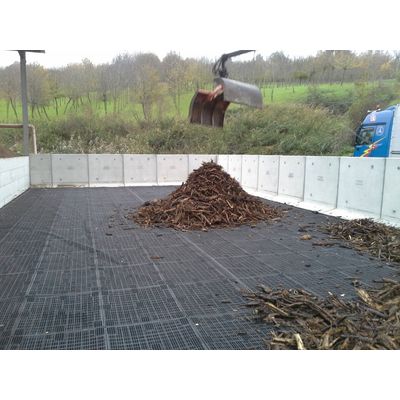
FGM - Biofilters for Odor Control
FromFGM Srl
Biofilters for odor control are ideal for treating an emission that has low concentration values of incoming pollutants and a large volume of air . In fact, the low concentration/large volume of air situation heavily penalizes all other methods of containing atmospheric pollution.
Most popular related searches
odor control
biofilter odor control
odor biofilter
biofilter
atmospheric pollution
leachate production
plastic pipe
filter bed
nitrous oxide
plastic piping
Advantages
- First of all a low installation cost . The construction materials of most biofilters are common materials that are easy to find on the market such as wood, plastic pipes, gravel. Therefore it is possible to build a biofilter with the help of a good construction company or excavation and earthmoving company.
- Also a low cost of operation provided that the incoming pre-treatments are few. These cost items are basically three:
- Electricity to run the electric motors of the fan and irrigation pumps.
- Occasional labor to control the process.
- Small amounts of macronutrients
- Biofilters have a high removal efficiency for some pollutants such as aldehydes, organic acids, nitrous oxide, sulfur dioxide and sulphidic acid (or hydrogen sulphide).
Disadvantages
- Well-designed odor control biofilters with traditional design require a large area of clear ground.
- Adjusting the pH of the filter media bed is very complicated, as is adding nutrients.
- The traditional design lacks coverage, making it very difficult to obtain representative tests to determine abatement efficiency.
- The filter mass bed must be replaced every 2 – 5 years. The replacement of this mass may require longer or shorter plant shutdowns depending on the size of the biofilter.
- The leachate produced by the biofilter must be managed: purified or evacuated.