


- Home
- Companies
- Halton Group
- Products
- Halton ProClean - Model PCL - Central ...
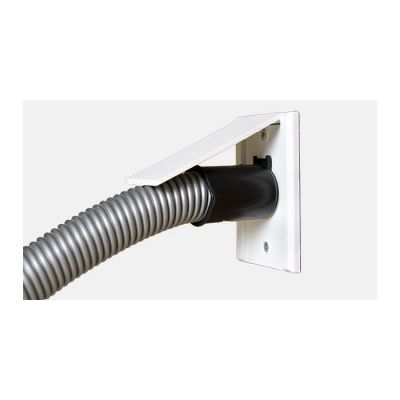
Halton ProClean - Model PCL -Central Vacuum Cleaning System
Central vacuum cleaning systems for professional use.
General benefits of central vacuum cleaning
- Healthy - removal of hazardous micro dust (the air is filtered, then blown out of the building)
- Clean - effective dust removal
- Silent - silent and smell-free operation
- Efficient - more vacuuming power and 20-30% faster cleaning
- Economical - cleaning of indoor air, with less cleaning of ventilation pipes and increased air-filter service life
- Providing added property value - good for the value and desirability of the building and its residential flats
Benefits of the Halton Central vacuum cleaning
- Energy-efficient operation
- the central unit equipped with inverter adjusts the power of the blower to the number of users
- No blockages in pipelines
- cleaning valves at the end of horizontal trunk pipes with automatic pipe flushing feature
- High durability
- long service life
- low maintenance and servicing requirements
- heavy-duty side-channel turbine
- long filter life, of up to 12 months
- central unit, inlet valves, and cleaning valves all made of sturdy metal
- pipelines designed to withstand heavy use and high underpressure
A central vacuum cleaner brings a new kind of comfort to living in a block of flats by improving indoor air quality and facilitating cleaning – comforts that have long been available in detached houses. The system is easy to install, particularly with modern prefabricated pipe elements. A central unit in its compact sealed body can be positioned with ease. Halton offers services that extend from design to installation and maintenance. We help you to implement a reliable central vacuum-cleaning system that is easy to design.
System design
Central unit is on located on the ground floor / cellar and from there the suction piping is divided throughout the building. Piping is tree-like where branches are smaller than trunk pipe; sizes are between Ø 50 – Ø 110 mm. Piping is easy to route in lowered ceilings. Pipe material is PVC or galvanized steel depending on fire regulations. A firestop collar is used between fire zones. Inlet valves are located so all areas can easily be vacuumed with 8-12 m vacuuming hose. Buildings requiring more than six simultaneous users are designed with multiple central units. Vacuumed air is blown out of the building through the roof of the building.