

- Home
- Companies
- BAUER Resources GmbH
- Products
- Constructed Wetlands
Constructed Wetlands
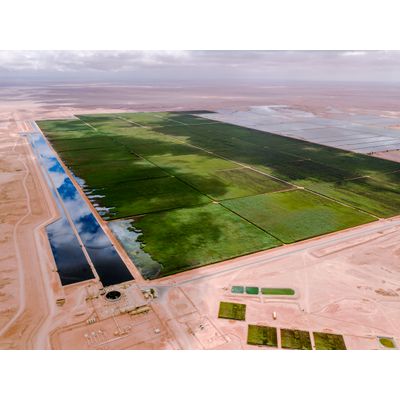
A constructed wetland is a natural water treatment system also referred to as nature-based solutions. Contaminants are removed via a range of natural processes mediated by complex interactions between water, plants, microorganisms, soil/gravel media and the atmosphere. While utilizing the power of nature and energy from the sun, polluted water can be cleaned in a sustainable way, with minimum operation and maintenance cost. Over the years, Bauer has developed and installed hundreds of wetland applications worldwide, including the largest constructed wetland project in the world: the Nimr Water Treatment Plant in Oman, consisting of 500 ha of wetlands and ponds treating 175,000 m3/day of produced water from nearby oil fields. Bauer’s Constructed Wetland Competence Centre provides expertise internationally in the engineering design, financing, construction and operation of wetland treatment systems for a wide range of contaminated water and wastewater issues.- Domestic/Municipal sewage
- Sludge dewatering
- Industrial wastewater
- Produced water
- Stormwater
- Agricultural wastewater
- Groundwater remediation
- Landfill leachate
- Mine drainage
- Lower capital and operational expenditure
- Natural, green and sustainable
- No treatment by-products
- Treated effl uent suitable for re-use
- Short construction period
- Long life-span
- Simple maintenance and operation
- Low energy consumption
- No use of chemicals
- Creates wildlife habitat
- Landscaped design
- Integrated sludge treatment
The PURE treatment systems combines several wetland treatment approaches, allowing us the fl exibility to select and design the optimal treatment solution for the given set of site conditions, wastewater characteristics and required treatment targets. We make use of three main wetland systems individually or in combination (hybrid system), depending on the project requirements.
- Type 1 is a vertical flow system that can be used for treatment of sewage.
- Type 2 is a horizontal subsurface flow system which is being used in combination with pretreatment (e.g. septic tank) or with the Type 1 system. The combined Hybrid System (Type 1 followed by Type 2) achieves high treatment quality while eliminating the production of sewage sludge.
- Type 3 is a surface flow wetland which is suitable for largescale applications including polishing of sewage effluent, produced water from the oil and gas industry, agricultural runoff and urban stormwater.
Sludge handling and management is a major issue in conventional treatment plants (e.g. activated sludge). Sludge Treatment Wetlands represent a unique ecological way for on-site sludge dewatering and drying. Sludge Treatment Wetlands provide a cost-effective and sustainable alternative to daily sludge disposal or other expensive mechanical technologies. After 8-12 years of operation, the fi nal product of sludge mineralization is transformed to a valuable biosolid material. Bio solids can then be re-used as fertilizer, soil amendment, for composting, energy production or other applications.
Aerated Wetlands represent a state-of-the-art design modification of constructed wetlands technology. Artificial aeration enhances oxygen availability for organic and inorganic compounds removal from wastewater. The implementation of artifi cial aeration in constructed wetlands enables a significant reduction of the footprint and
CAPEX cost. Aerated wetland is an eco-friendly solution with low energy requirement, reduced land area demands, therefore it provides lower OPEX compared to conventional treatment systems.
Bauer provides integrated solutions based on the specifi c needs of each client. Our services and skills include:
- Consulting
- Feasibility studies
- Lab- and pilot-scale treatability testing
- Engineering
- Procurement
- Construction
- Plant propagation and planting
- Operation and maintenance
- Project management
- R&D
- After-sales support and training