

DVO - Phosphorus Recovery System
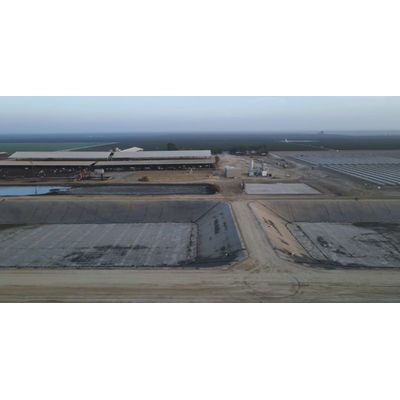
Phosphorus is an essential element to all living things. It is a particularly valuable nutrient fertilizer for agriculture, as crops require phosphorous for growth. DVO offers a simple and robust solution that captures 75 to 95 percent of phosphorus from a wide variety of anaerobically processed organic wastes. By treating wastes in the patented DVO 2-Stage Linear Vortex™ anaerobic digester, and then employing our Phosphorus Recovery (PR) system, one can both conserve valuable minerals and help protect our natural resources. The PR system is organic chemistry-based (no centrifuge is employed). It has been successfully commissioned at a large dairy farm in the northwest United States and two other locations. The guaranteed retention time of the DVO anaerobic digester allows, in part, for this PR process to be economical and effective. As a result, most phosphorus in the waste stream is captured in a condensed, solid fertilizer product.
Benefits
- Phosphorus and other nutrients (including valuable micronutrients) are condensed into a stackable, storable, transportable – and even marketable – solid fertilizer product.
- Potential environmental pollution of the liquid waste stream is dramatically reduced.
- When paired with anaerobic digestion, it allows a more cost-effective and efficient waste or nutrient (fertilizer) management plan for municipalities, farmers and agribusinesses. It also eliminates the burdensome practice of land-applying high-strength/odiferous wastes.
- The financial payback for this system can often be measured in months instead of years. Operating costs average one-eighth of a penny (USD) per gallon of liquid processed. The cost of transporting that same gallon by truck can be 10-50 times more expensive.
- Fully automated operation
- Low operating cost
- Guaranteed performance
The DVO system produces both liquid and dry fertilizer products. These products may be applied through irrigation or land-spread, offering:
Reduced nutrient loading
- This saves valuable time and energy, allowing you to focus on what really matters.
Odor mitigation
- Biodegradation is thorough, so the smell is removed and doesn’t come back.
Plant-available nutrients
- Apply directly to growing crops and immediate incorporation.
- Expands the practical timeframe for nutrient redistribution.
- Reduced possibility of a spill, which could contaminate surface water.
Phosphorus is a non-renewable resource with a finite global supply. Much of it ends up in landfills or in places or forms that are not recoverable. Scientists have produced evidence that we will run out of phosphorus within a few decades. Unfortunately, phosphorus mining practices involve stripping large amounts of land, creating negative environmental consequences.
Agricultural and commercial/industrial wastes can create sources of excess phosphorus in our environment. Excess phosphorus finds its way into surface water, leading to algae blooms and sometimes causing severe damage to sensitive aquatic ecosystems. For these reasons and more it makes sense to recover phosphorus and safely recycle it whenever we can.
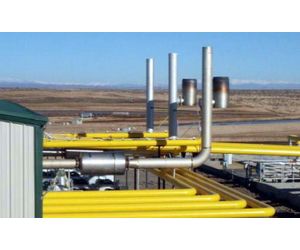
Because a DVO anaerobic digester delivers the most biogas per ton of organic waste, it also creates the most renewable energy. Biogas from the digester can be used to create:
- Renewable Natural Gas (RNG) is produced from upgraded biogas and piped out of the facility into the energy grid
- Electricity from on-site generators fueled by biogas can be used or sold into the grid
- Liquid fuels such as dimethyl ether (DME), biodiesel, jet fuel
- Hydrogen for fuel cells or other energy applications