
- Home
- Companies
- Austro Chemicals & Bio Technologies Pvt ...
- Products
- Effluent Treatment Plants (ETP )
Effluent Treatment Plants (ETP )
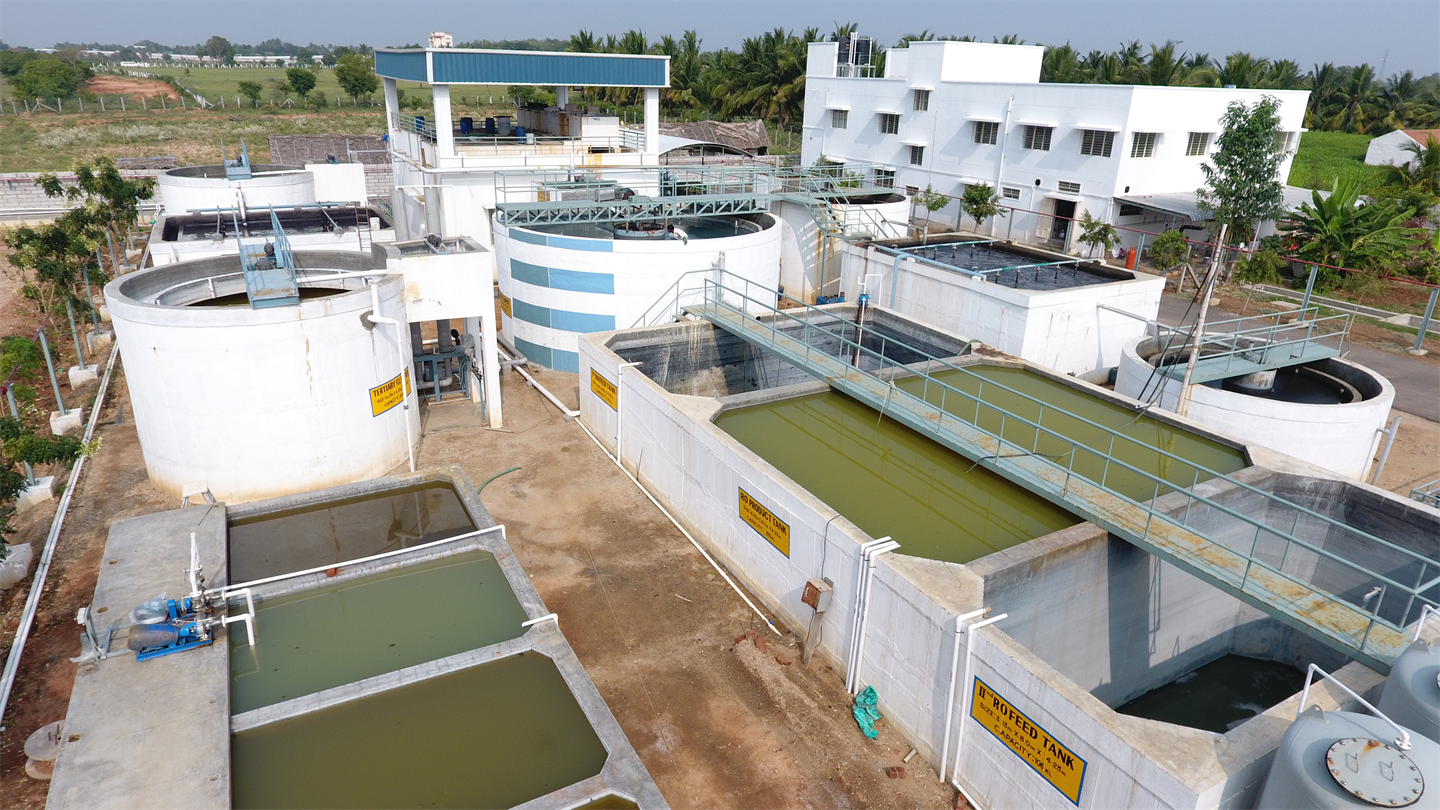
Effluent Treatment Plant or ETP is a wastewater treatment method which purifies industrial wastewater for its reuse. The Primary Aim for an ETP Plant is to release safe water to environment. Industrial effluents contain various materials, depending on the industry. Some effluents contain oils industrial by-products, metals, radioactive wastes and grease, and some contain toxic materials (e.g., cyanide). Effluents from food and beverage factories contain degradable organic pollutants. Since industrial wastewater contains a diversity of impurities and therefore specific treatment technology called ETP is required.
The effluent treatment plant is designed to treat the effluent coming from different areas of the plant. The treatment of different effluents varies with the type of effluent. Water is recycled from effluent coming from textile & chemical industries using series of operations i.e. coagulation, flocculation, aeration, and filtration techniques mainly reverse osmosis. The effluent produce has high BOD, COD, pH, TSS, TDS and Color material. This study includes characterization of effluent and making of process flow sheet of Effluent Treatment Plant after visit to various locations in industrial areas. Points of optimization were identified in various unit operations involved considering the total cost incurred during the whole process. It was identified that automation and use of highly substantive dyes during coloration stages (dyeing & printing) in a textile mill considerably reduces the amount of effluent produced. Effect of different mesh sizes of coagulating agents was (also) studied in conjugation mixing speed. It was noted that use of polyphosphazene membranes instead of poly-amides for reverse osmosis plants, as they posses better resistance at high pH and temperature.
Nature of Effluent:
Waste generated in textile industry is essentially based on water- based effluent generated in the various processes. Textile industry originates a complex huge volume of waste water containing various chemical used in dyeing, printing and finishing processes. Many dyes which causes intensive color in the waste water. The effluent generated in different step or processes is well beyond the standard and thus it is highly polluted and dangerous.
Water Consumption in Textile Processing:
The production of textile goods involves spinning (fiber to yarn), weaving / knitting (yarn to fabric), chemical (wet) processing, and garment manufacturing. The majority of the water consumption (72%) takes place in the chemical (wet) processing of textiles. The water is required for preparing the fabric for dyeing, printing and finishing operations. Intermediate washing / rinsing operations and machine cleaning.
Other major uses of water in the textile industry
- Steam generation (boiler feed water)
- Water treatment plant (reject stream, periodic cleaning of reverse osmosis plant,regeneration and washing of demineralization, softener plant, back wash of media filters);
- Cooling (processing machines, cooling tower);
- Humidification (spinning process); and
- Domestic purposes (irrigation of lawn and garden, sanitation, cleaning, drinking and miscellaneous uses).
- To clean industry effluent and recycle it for further use
- To reduce the usage of fresh water in industries
- To preserve natural environment against pollution
- To meet the standards for emission of pollutants set by the Government
- To reduce expenditure on water acquisition