
Austro Chemicals & Bio Technologies Pvt Ltd products
Aerobic Treatment Systems
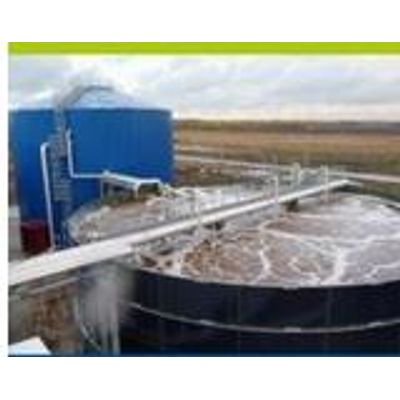
Aerobic treatment systems are on-site sewage treatment systems that use forced air to treat wastewater and surface application or drip irrigation to disperse the treated wastewater. They may also be used to replace subsurface systems that are failing due to high groundwater and/or poor soil. While aerobic systems may be designed without performing a soil test, it is recommended that a soil profile be performed at the site. Based on the results of the soil profile, you may be able to reduce the size of the dispersal field or install a subsurface system.
UV Technology
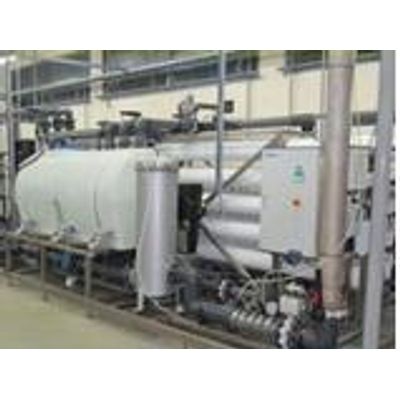
UV Technology water purification is the most effective method for disinfection. Ultraviolet (UV) rays penetrate harmful pathogens in your home`s water and destroy illness-causing microorganisms by attacking their genetic core (DNA).Ultraviolet water purification is the most effective method for disinfecting bacteria from the water. Ultraviolet (UV) rays penetrate harmful pathogens in your home`s water and destroy illness-causing microorganisms by attacking their genetic core (DNA). This is extremely efficient in eliminating their ability to reproduce. Disinfecting your water with Ultraviolet light is exceptionally simple, effective and environmentally safe. UV systems destroy 99.99% of harmful microorganisms without adding chemicals or changing your water`s taste or odor. UV water purification is usually used with other forms of filtration such as reverse osmosis systems or carbon block filters.
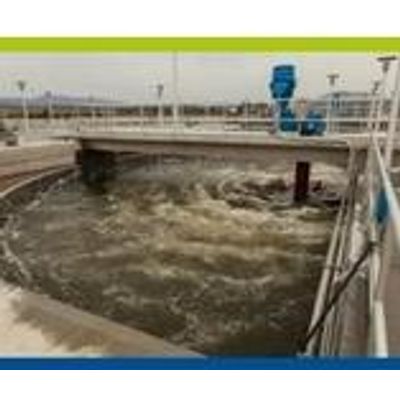
Chemical Treatment System
Chemicals are used during wastewater treatment in an array of processes to expedite disinfection. These chemical processes, which induce chemical reactions, are called chemical unit processes, and are used alongside biological and physical cleaning processes to achieve various water standards. Chemical processes use the addition of chemicals to the wastewater to bring about changes in its quality. They include pH control, coagulation, chemical precipitation and oxidation.
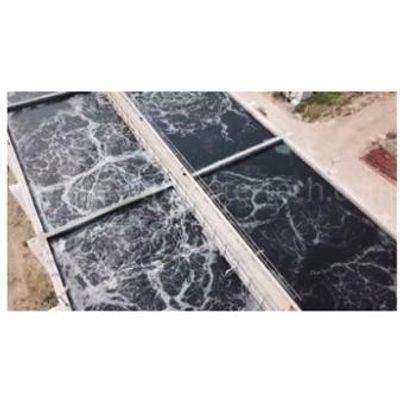
Aeration System
Aeration is the process of increasing the oxygen saturation of the water, as a result which produces active sludge that can be used as fertilizers. Aeration is used in water treatment as a pretreatment in the process of removing iron and hydrogen sulfide (rotten egg smell) from water. Air is a powerful oxidizer of both iron and hydrogen sulfide. It quickly converts unalterable ferrous iron to filterable ferric iron, and it reduces hydrogen sulfide to elemental sulfur, which is easily removed from water by a filter. Aeration removes odour and tastes due to volatile gases like hydrogen sulphide and due to algae and related organisms. Aeration also oxidize iron and manganese, increases dissolved oxygen content in water, removes C02 and reduces corrosion and removes methane and other flammable gases.
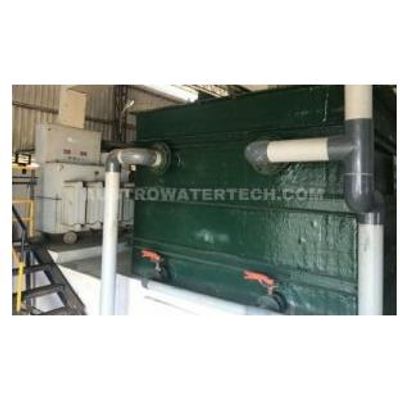
Electro Oxidation and ElectroDeionization System
Electrodeionization system (EDI) is a breakthrough water treatment technology to achieve high purity levels with low conductivity to ensure high-efficiency demineralization process. This technology does not use any chemical treatments and often referred to as a water polishing treatment; it is a continuous process to treat the RO permeate. To ensure efficient electrodeionization process, the feed has to be purified by Reverse Osmosis system and should be with low TDS, which helps in achieving very high purity levels. The ion exchange resins help to retain the ions and facilitates to be transported across the ion exchange membranes. To have increased performance, the feed water should be free from C02 and other dissolved gases.
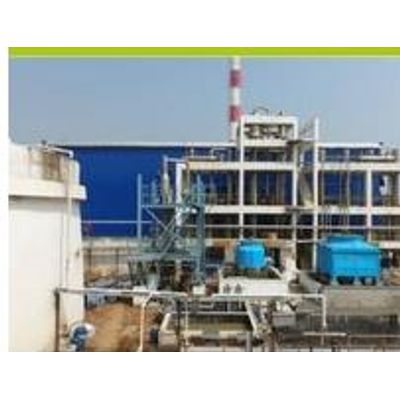
Wastewater Evaporators
Wastewater Evaporator - An Evaporator technology is one of the simplest and effective approach. Austro Water Tech`s Evaporator has been engineered to efficiently evaporate the content form various wastewater sources. The Power exhaust system present in the evaporation mechanism releases the moisture. The Evaporator Treatment is equipped to assure trouble free operation. The evaporators may not achieve the desired results when the effluent contains a very high concentration of salts, microorganisms and metals etc. The Process of evaporation requires boiling of water without increasing energy cost. Evaporation has proven to be an excellent solution for wastewater disposal and discharge problems. Evaporation with wastewater evaporator may be an excellent solution to consider if your company is experiencing any of the following issues:
Effluent Treatment Plants (ETP )
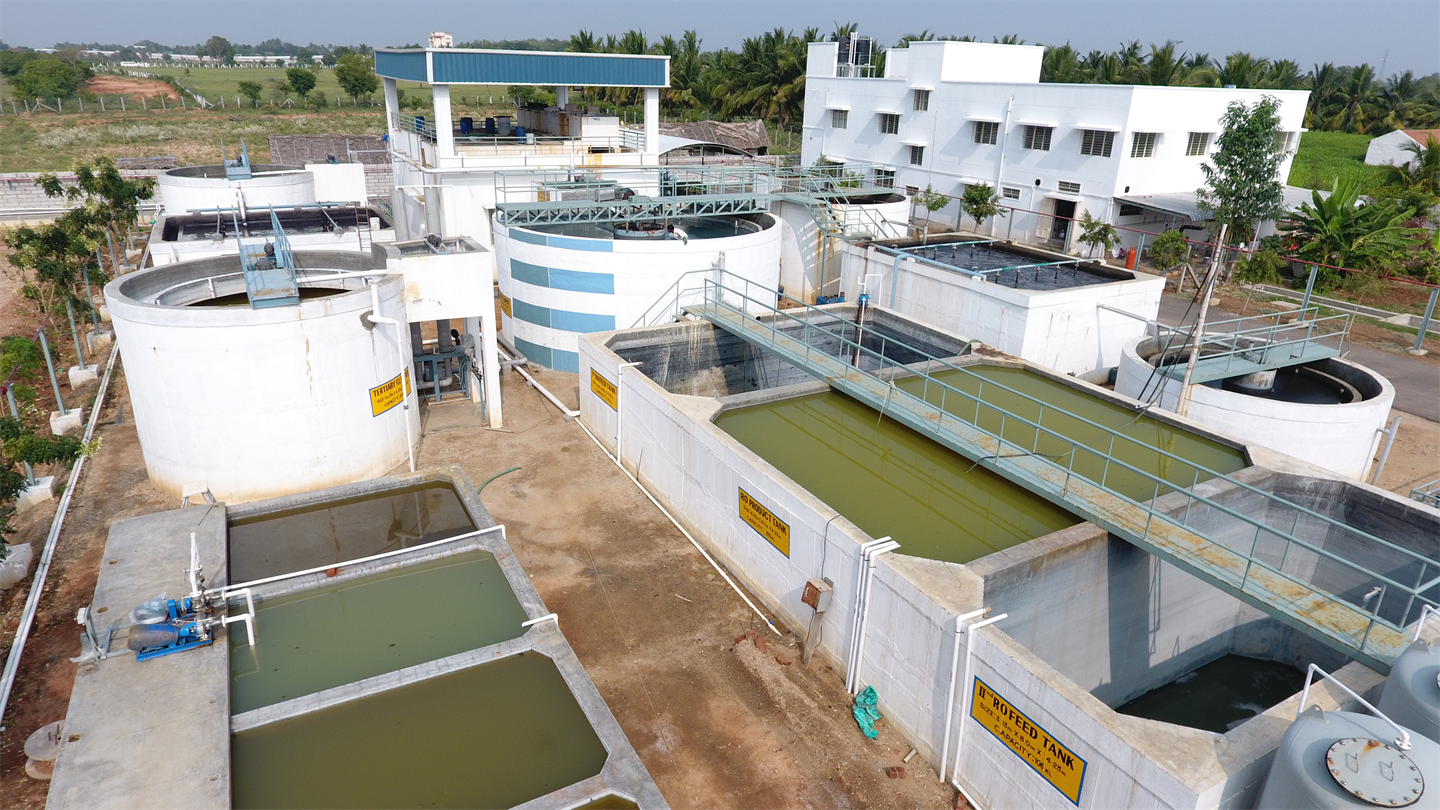
Effluent Treatment Plant or ETP is a wastewater treatment method which purifies industrial wastewater for its reuse. The Primary Aim for an ETP Plant is to release safe water to environment. Industrial effluents contain various materials, depending on the industry. Some effluents contain oils industrial by-products, metals, radioactive wastes and grease, and some contain toxic materials (e.g., cyanide). Effluents from food and beverage factories contain degradable organic pollutants. Since industrial wastewater contains a diversity of impurities and therefore specific treatment technology called ETP is required.
Clarifiers for Wastewater Treatment
Clarifiers are settling tanks built with mechanical means for continuous removal of solids being deposited by sedimentation. Clarification is the oldest and most widely used operation in the effective treatment of wastewater. A clarifier is generally used to remove solid particulates or suspended solids from liquid for clarification and (or) thickening by gravitational settling. These are classified into primary and secondary. This also used grits and solids removal, removal of oil and grease.
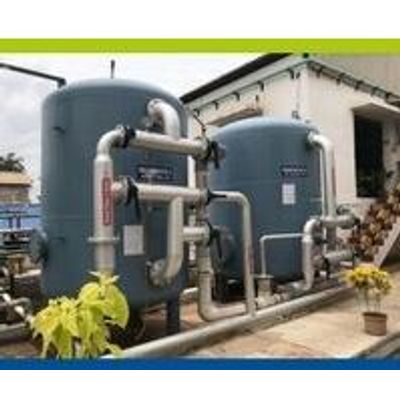
Iron Removal Systems
Iron Removal Systems has become the essential element in every water treatment system since Iron is the fourth most abundant element found in the Earth`s crust. Iron in water is a common problem in major countries. The prevalence of iron in the ground is why it is so often found in water. Iron and other contaminants can be detected by using test kits, which are designed to detect specific elements like Iron and Manganese, these may be present in various concentration levels, which can only be identified.