


- Home
- Companies
- Aquafix, Inc.
- Products
- Foam Buster
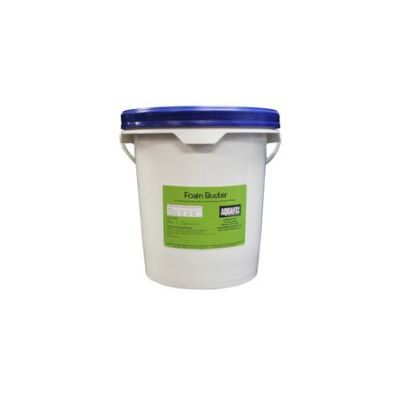
Foam Buster
Our newest technology, Foam Buster, is a micronutrient blend that controls foaming and reduces filaments in a wastewater process. It also improves the degradation of surfactants, emulsions, and petroleum hydrocarbon based products. Foam Buster contains vitamins, minerals, surface-tension depressants, and natural buffering systems, which help overcome filament foaming and settling issues.
Foam Buster is effective in oxidation ditches, activated sludge plants, SBRs, extended aeration waste water treatment plants, and aerobic digestors with foaming or settling issues.
Filaments like Microthrix Parvicella, Nocardia, and Type 1863 can be controlled through the use of Foam Buster. Foam Buster energizes the naturally occurring bacteria so they have tools to degrade fat, oil, and grease along with surfactant and emulsion chemistries.
Fighting Foam by Starving Filaments
Foam-causing, F.O.G.-hungry filaments like Microthrix Parvicella, Nocardia, and Type 1863 that infiltrate SBRs, oxidation ditches, extended aeration WWTPs, and aerobic digestors don’t stand a chance against our newest technology. Foam Buster starves these harmful filaments by removing their food source—fats, oils, grease, and fatty acids.
Bacteria on Steroids
The biological stimulants in Foam Buster empower the naturally occurring bacteria to rapidly digest the grease that the filaments need to survive. Meanwhile, Foam Buster’s vitamins enable certain cellular functions to accomplish this task. Once the degradation of F.O.G. and fatty acids improves, these troublesome filaments cannot survive on the dwindling food supply.
Settling Issues Solved
Foam Buster also contains minerals, surface-tension depressants, and natural buffering systems, all of which work together to rid your plant of surfactant and emulsion chemistries as well as F.O.G. and fatty acids.
Not a Band-Aid
A lot of times when a wastewater plants gets foam they will add a chemical defoamer or an anti-foam to knock the foam down. Chemical defoamers work by covering up the problem for a period of time. In addition chemical defoamers can cause sludge bulking issues, nitrifier toxicity and they will not control Nocardia or surfactant foams. Silicone anti-foams break down into siloxanes which corrode combustion engines. Products like our Defoam 3000 are organic defoamers and are easy on the biology but they still do not go after the root cause of the problem like the Foam Buster. Foam Buster addresses the root cause of the foam and provides the bacteria with the tools they need to digest and break it up.
- Reduces and Eliminates Foam
- Reduces Sludge and Scum Production
- Eliminates Negative Impacts from Incoming Fat, Oil, and Grease
- Improves Settling
- Increases Good Bacterial Populations
- Lowers Effluent BOD and TSS
- Degrades Surfactants and Emultions