

- Home
- Companies
- Geomaster Geogrid Reinforcement ...
- Products
- Geomaster - Plastic Polypropylene Grade ...
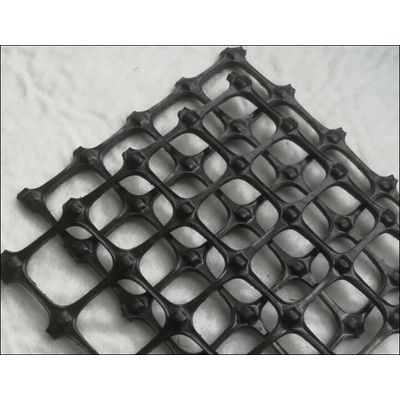
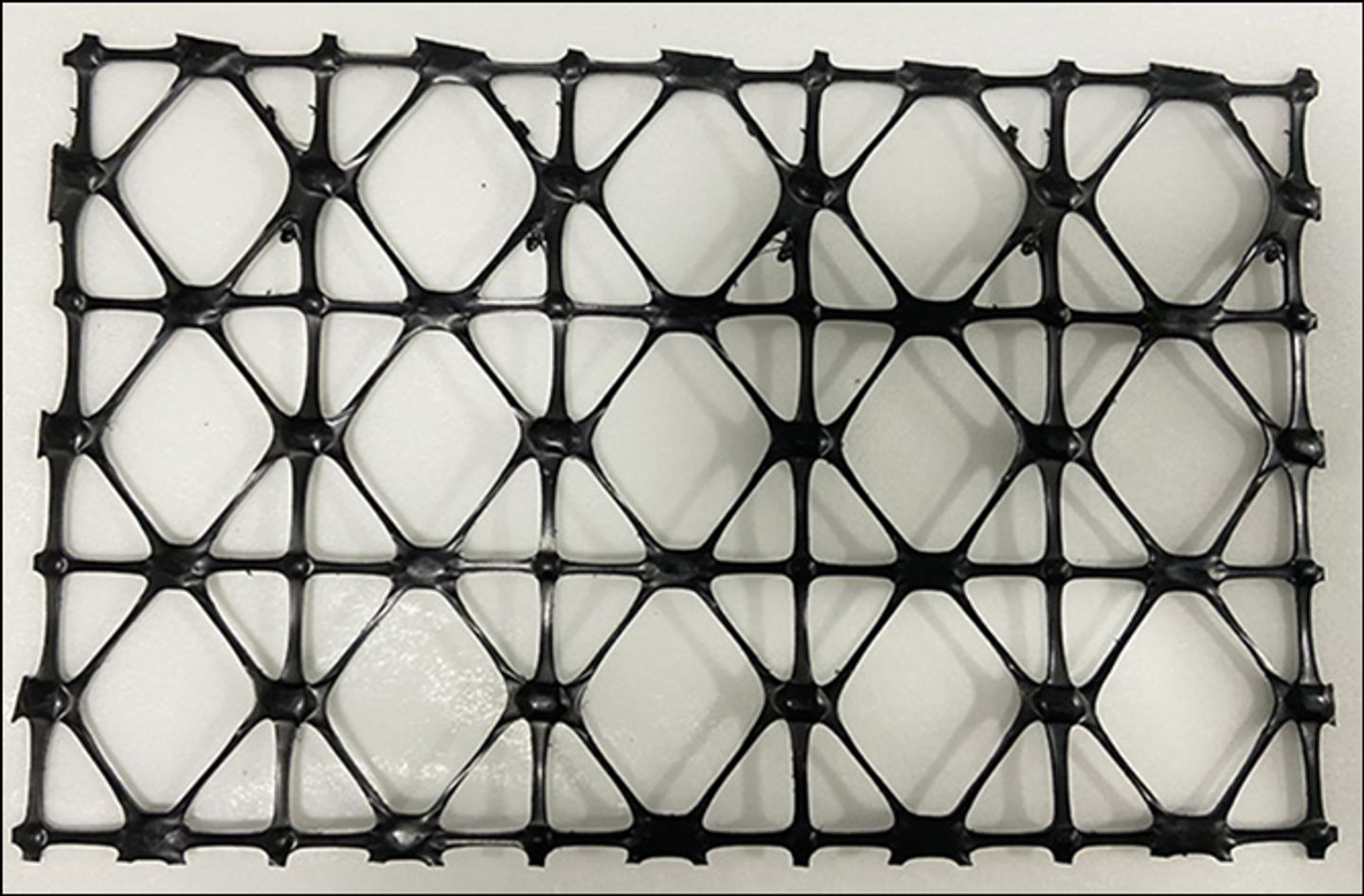
Comparing plastic geogrids according to the different materials: (High density) polypropylene, polyethylene, or polyvinyl alcohol.
Polypropylene ( PP) Geogrids:
Polypropylene geogrids are also known as PP types plastic geogrids. This type of geogrid is extremely strong, lightweight, and resistant to UV radiation, corrosion, and oxidation. Polypropylene geogrids have excellent flexural properties and are suitable for use in both temporary and permanent applications. Common uses of polypropylene geogrids include soil reinforcement, retaining walls, and erosion control.
Polyethylene or HDPE Geogrids:
Polyethylene geogrids are made of polyethylene into a grid-like pattern. HDPE grids are extremely durable and are resistant to UV radiation and temperature extremes, offering better corrosion resistance over PP geo grids. The flexibility of polyethylene geogrids makes them ideal for use in a variety of applications ranging from erosion control to earthworks. Polyethylene geogrids are also used to reinforce asphalt and concrete pavements.
Polyvinyl Alcohol (PVA) Geogrids:
PVA geogrids are made from polyvinyl alcohol (PVA) resins. PVA geogrids are very strong and stable yet highly flexible, making them ideal for use in reinforcing roads, embankments, and retaining walls. PVA geogrids are also resistant to chemicals, perfect for use in areas where petroleum- or acid-based products may be present. PVA geogrids are often used in combination with other geogrids to increase performance and reduce costs.
When selecting a plastic geogrid, it is important to consider the application and the desired results. Factors to consider include strength, flexibility, abrasion resistance, UV radiation resistance, chemical resistance, and overall cost.