


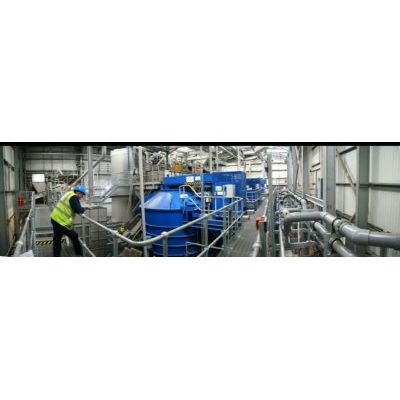
BTA - Hydromechanical Pre-Treatment Plant
The BTA Process is the original of wet mechanical pre-treatment of waste. It comprises two central steps: the BTA Hydromechanical Pre-treatment. the subsequent anaerobic digestion of the cleaned organic suspension.
Hydromechanical Pre-Treatment
The hydromechanical pre-treatment facilitates efficient removal of impurities as well as complete separation of digestible organic components into an organic suspension. This happens within two core components, the BTA Waste Pulper and the BTA Grit Removal System.
The BTA Waste Pulper - optimum separation into fractions
Within the BTA Waste Pulper the feedstock is added to pre-filled process water in order to separate the waste mixture into fractions by taking advantage of natural buoyancy and sedimentation forces. Moreover, non-soluble organic components are reduced to fibers by shearing forces and brought into suspension. Thus, heavy materials are fed aside and light materials are skimmed off. In total, three fractions are effectively separated.
Organic materials
- Light materials: plastics, foil, textile, wood, etc.
- Heavy materials: stone, bones, batteries, etc.
The BTA Grit Removal System - no silting up of the fermenter
Having passed the BTA Waste Pulper, the organic suspension still contains sand and fine impurities, which are safely removed by the BTA Grit Removal System. This reliably ensures protection of downstream plant components from wear, silting up, sediments, and obstruction.
Hydromechanical pre-treatment is the most efficient and successful way to process wastes before the anerobic biogas production.
Anaerobic digestion of the organic fraction
The cleared bio-suspension is temporarily stored in a suspension tank. This way, the processing stage is decoupled from the digestion itself, keeping the latter independent from the working cycle of the waste reception unit.
The organic fraction is digested within the fermenter, generally under mesophilic conditions between 35 - 38°C. Fermenter layout and operation mode depend on the kind of feedstock as well as on project-specific requirements concerning microbiological breakdown and biogas yield.
Exploiting synergies: fermenter agitation through biogas
In practice, stirring of the fermenter ist often hampered with great problems for many systems. The BTA Waste Pre-Treatment ensures a virtually impurity-free organic suspension at high homogeneity. Therefore, by pressing in biogas it is possible to keep the fermenter load homogenous, which brings about decided advantages.
- Safe agitation of the entire fermenter volume
- High utilisation of the energy input
- Low susceptibility to faults due to the lack of moving parts within the fermenter
- No maintenance work required inside the fermenter
- No loss of fermenter volume by sedimentation
Further processing of the digested organic suspension
Further treatment of the digested substrate can be adjusted according to the respective project. Generally, a decanter centrifuge for continuous separation of solids from liquids is employed. The solid material (ca. 30 % dry matter) ist perfectly suitable for the stabilisation and production of quality compost. In most cases the supernatant is utilised as process water and is retained within the cycle. This results in decreased freshwater consumption.
The BTA process - valuable know-how
The core components as well as the BTA Process as a whole are protected by international patents and trademark rights. Our clients can be assured that the choice for the BTA Process is the choice for a technology reliable and advanced over decades. Our clients benefit from the original.
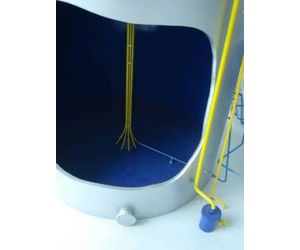
High flexibility
- For different types of wastes (food waste, commercial waste, biowaste, MSW)
- For fluctuations in the waste composition (e.g. amounts of impurities) as well as temporal peaks.
High selectivity
- Heavy reject materials such as glass, stones, bones, batteries and metals, are effectively removed before biological treatment in the pulper heavy trap.
- Light contaminants such as plastics, textiles, twigs and string are effectively removed before biological treatment by the pulper light fraction rake system, and are dewatered to reduce disposal costs.
- Grit down to below 2 mm is effectively removed in the grit removal system, producing a washed grit potentially suitable for recycling.
High operational security
- Wear on equipment downstream of the wet pre-treatment is minimised as heavy materials and grit are removed from the waste before biological treatment.
- The excellent preparation of the biodegradable pulp together with the optimum process conditions provided in the fully mixed digester system provide for optimum stabilisation of the organic material.
High quality of products
- The removal of contaminants before the biological treatment reduces potential cross contamination of the treated digestate with heavy metals, glass and plastics etc.
- The hydromechanical pre-treatment and wet AD system have a washing effect on the material being processed, which improves the quality of the treated digestate.
- A number of special measures are taken within the BTA process to reduce the plastics content of the dewatered output.
Maximal Biogas production
- Maximal biogas production by the defibring and highest possible concentration of the digestable biomass in the organic suspension going to digestion.
Proven record
- Proven record with approximately 40 reference plants worldwide and almost 30 years of experience.
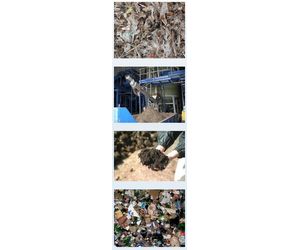
Due to the high flexibility for substrates with a high range of TS-contents as well as different contents of impurities, and thanks to its high efficiency in the separation of these impurities for the production of a clean, easily handable organic suspension the BTA Process or parts thereof can be used for different applications:
- MBT Plants for Municipal Solid Waste
- Methanization Plants for biowaste, food waste and/or commercial waste
- Co-Digestion of biowaste, food waste and/or commercial waste in agricultural biogas plants
- Co-Digestion of biowaste, food waste and/or commercial waste with sewage sludge in existing digesters of WWTP
- Refurbishment of existing plants
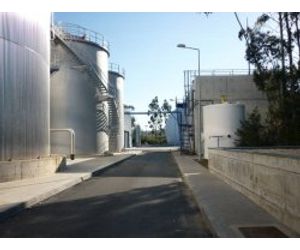
In its role as technological partner BTA International supplies, in addition to the engineering package (from the process engineering to the start-up planing and supervision) the key components for the BTA Hydromechanical Pre-treatment and anaerobic digestion as well as the control unit for all processes within the limits of the BTA Process.
Further inofrmation on these key components can be found here: