Imperial Machine Company (IMC)
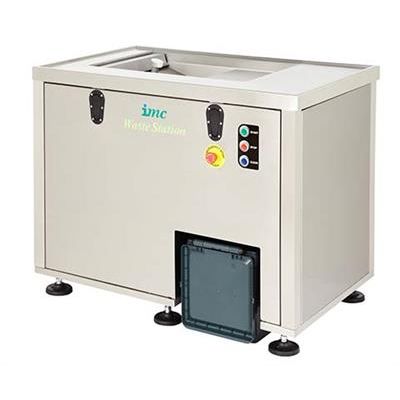
IMC - Waste Station
Food waste is a major problem for any organisation that produces it. It’s notoriously difficult to process and dispose of safely and efficiently and is the most likely waste stream to contaminate other waste fractions. Food waste typically represents around 40% of total commercial catering waste. Of this 40%, approximately 77% is liquid. WasteStation grinds the food waste into fine particles, these particles feed directly into the built-in dewatering system. Through centrifugal action, the WasteStation forces out the excess liquid from the macerated waste. This “grey water” is fed directly to drain, the resulting solid fraction of the food waste is collected in small, easily managed, lidded bins, ready for onward processing.
Most popular related searches
food waste
food waste management
on-site waste
waste collection costs
waste collection
waste management
waste stream
dewatering system
greywater
waste storage
- Transport Savings: Reduce waste collection costs by up to 80% by reducing the food waste volume and weight requiring collection.
- Storage Savings: By reducing the waste volume, on site waste storage facility requirements are also reduced.
- Labour Savings: The self cleaning system reduces staff time managing and processing any food waste.
- Energy Savings: Compact design and short processing times ensure low operating costs and minimal use of kitchen floor space.