

- Home
- Companies
- Organics Group plc
- Products
- Organics Group - Leachate Evaporation ...
Organics Group - Leachate Evaporation Systems
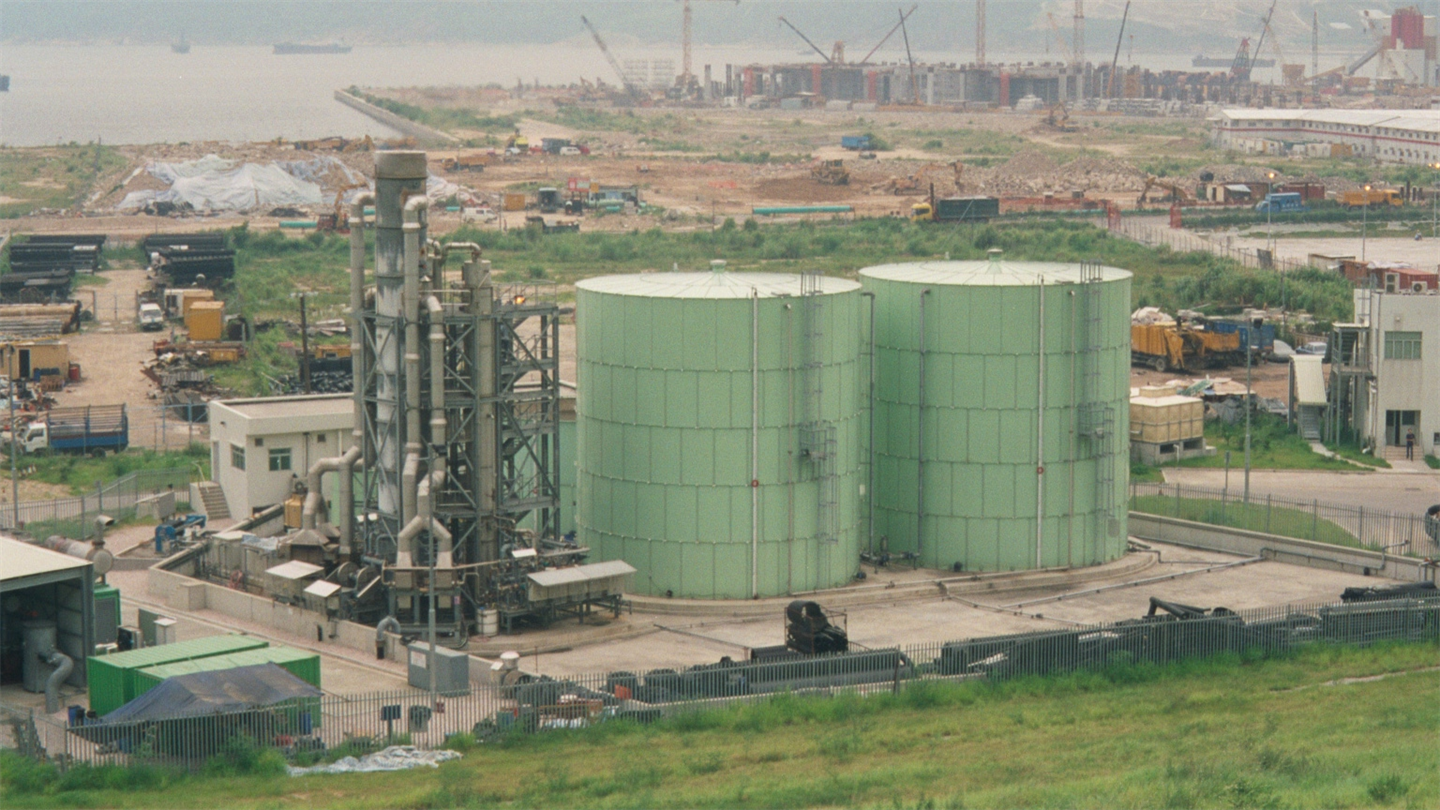
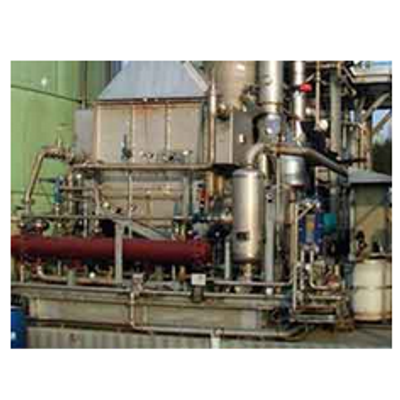
Where there is waste heat available, forced evaporation of large quantities of leachate can be considered and offers a relatively cheap mechanism of disposal. The systems offered by Organics can operate at above and below 100ºC, with the latter requiring a vacuum to reduce the boiling point. Organics has significant experience in designing and fabricating bespoke leachate evaporation units. Systems that have been designed and built include forced-feed evaporators, kettle reboilers, saturated air-stream condensers for energy recovery, economisers for waste heat recovery from exhaust gases, and humidifier evaporators.
Information
Landfill leachate treatment remains a key parameter in the successful engineering of a landfill site. It is critical that leachate is collected and stored safely so that its removal can be effected using the best available technology.
In the case of evaporation, leachate can be removed using heat either directly using landfill gas to generate the required heat. Other heat sources include using solar energy either in an enclosed space or by creating micro-drops which increase the surface area over which evaporation can take place. Yet another uses waste heat either from landfill gas destruction of power generation engines.
Cost-effective operation is usually achieved with a two or four stage evaporator. Each stage is identical in design to the others and is equipped with a circulation pump, a fluidised bed heat exchanger, and an evaporator vessel.
Please download our datasheet for further information and click on the images to see examples of equipment that has been supplied by the Organics Group.
- Leachate volume reduction by means of waste heat
- Pressure and vacuum systems available, subject to the waste heat grade
- Open and closed loop systems
- Closed loop condensation systems for additional thermal efficiency
- Open-loop disposal to enclosed flare
- Multi-stage systems for maximum concentration
- Flow range from 10 cubic metres per day to 2,000 cubic metresper day
- Material grades selected for duty
- Optional on-line monitoring systems