


- Home
- Companies
- C.E.R.E.S. Corporation
- Products
- CERES - Magnesium Oxide - Chemistry for ...
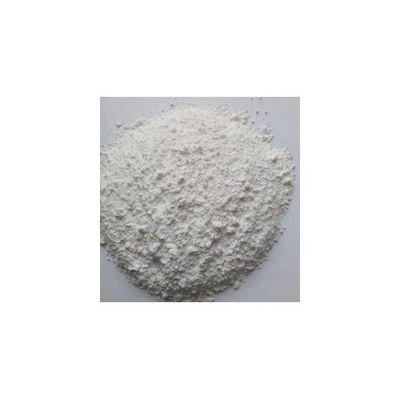
CERES - Magnesium Oxide - Chemistry for Sustained Heavy Metals Sequestration and Stabilization
C.E.R.E.S. offers the highest quality and best performing Magnesium Oxide for environmental application! Magnesium Oxide has been used for soil and groundwater remediation for decades by blending into heavy metals contaminated soil or waste material in order to increase the pH into the 9-10 range where many heavy metals are at their lowest solubility. Heavy metal sequestration occurs by creating metal-hydroxide complexes that precipitate out of aqueous solution.
- Controls pH
- Applicable in soil piles and in-situ applications for groundwater treatment
- Powder to granular forms to meet site specific application preferences
- Applicable in soil piles and in-situ applications for groundwater treatment
- Soil Remediation
- Water purification
- Wastewater treatment
- Micro-nutrients for fertilizers
- Physical Properties
- Form: Powder or liquid
- Solubility in Water: Soluble powder and liquid options available. Both may be important depending on site conditions and objectives.
- Color: white
- 94-98% Purity depending on grade
- Fine Powder to coarse grain size.
- Highly reactive
Sequestration of heavy metal impacted soil and groundwater Remediation is a remedial technology that has been employed for many years around the world by highly specialized remediation engineers who understand the chemistry well and its application. High reactivity and high purity MgO is much more than a low cost chemical buffer for pH control.
Sequestration is a process where chemical reagents like Metals Treatment Solution (i.e. MTS®) are applied or injected into soil or groundwater, industrial waste or substrate to form a stable and insoluble precipitate resulting in reduced leachability of the target heavy metals.
Heavy metal sequestration chemically binds metal ions in the free liquids and immobilizes them within the soil / substrate thereby reducing their solubility through the chemical reaction. The physical characteristics of the sequestrated or “stabilized” contaminated material is not changed by this process with respect to geotechnical properties for redevelopment. It also does not interfere with biological systems or native biota if shallow enough to be in the root zone.