


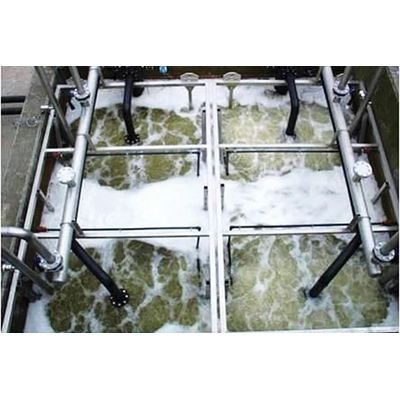
Waterleau LUCAS - Model MBR -Membrane Bio Reactor for Wastewater Treatment
A membrane bioreactor (MBR) is a state-of-the-art wastewater treatment system that combines biological treatment with membrane filtration. It provides a highly efficient and compact solution for treating industrial and municipal wastewater. By using a membrane to separate solids and liquids, MBR technology significantly improves water quality, reducing suspended solids, pathogens, and organic contaminants. This innovative approach to wastewater treatment allows for the reuse of treated water, making it a sustainable solution for industries looking to reduce their water footprint and comply with environmental regulations. MBR systems, such as the LUCAS® MBR, are particularly valuable in sectors where space is limited, and high-quality effluent is required.
Components of a MBR system?
The key components of a Membrane Bio Reactor (MBR) system include several essential elements that work together to provide efficient wastewater treatment. Each component plays a crucial role in the overall process, ensuring high-quality effluent and sustainable operation. The main components of an MBR system are:
- Biological Reactor: This is where the biological treatment takes place, utilizing microorganisms to break down organic pollutants in the wastewater.
- Membrane Filtration Unit: This unit consists of semi-permeable membranes that filter out suspended solids, bacteria, and other impurities, resulting in clear, high-quality treated water.
- Aeration System: Aeration is critical for supplying oxygen to the microorganisms in the biological reactor, enhancing their ability to break down contaminants.
- Sludge Management System: The excess sludge produced in the biological process needs to be effectively managed, often including sludge thickening and dewatering equipment.
- Control and Monitoring System: Advanced sensors and control systems monitor key parameters such as dissolved oxygen, flow rates, and membrane performance to ensure optimal operation.
Installation and applications of Membrane Bioreactors
Membrane Bioreactors (MBRs) are versatile systems that integrate seamlessly into various wastewater treatment processes. By connecting membrane filtration to the LUCAS® biological activated sludge system, it is possible to handle higher sludge concentrations and reduce reactor volumes, leading to more efficient treatment. Depending on the configuration, the LUCAS® Submerged MBR places the membranes directly in the basin, while the LUCAS® Crossflow MBR positions the membranes externally, utilizing continuous crossflow circulation for optimal filtration. Both configurations support either microfiltration or ultrafiltration membranes, depending on the treatment requirements.
MBRs are most commonly used in applications such as:
- Water reuse: Recovering and recycling water for industrial processes or irrigation.
- Industrial wastewater treatment: Treating high-strength wastewater from industries such as food and beverage, chemicals, and textiles.
- Municipal wastewater treatment: Enhancing the treatment of domestic sewage with high-quality effluent output.
The flexibility of MBR systems makes them a perfect fit alongside other Waterleau technologies, such as anaerobic digestion and sludge treatment, offering a comprehensive approach to water and wastewater management.
Advantages of a MBR:
- High-Quality Effluent: MBR systems produce treated water that is free of suspended solids and pathogens, often meeting or exceeding stringent discharge standards, making it suitable for water reuse.
- Compact Footprint: The combination of biological treatment and membrane filtration allows for smaller reactor volumes compared to conventional systems like the activated sludge process.
- Reduced Sludge Production: MBR systems can operate at higher sludge concentrations, which can lead to lower overall sludge production.
- Flexibility: MBRs can be adapted for various applications, including industrial and municipal wastewater treatment, and are effective in treating high-strength wastewater.
- Efficient Removal of Contaminants: MBRs excel at removing organic pollutants, nutrients, and microorganisms, ensuring a high level of water purification.