

Model LRP -Liquid Rejection Probe
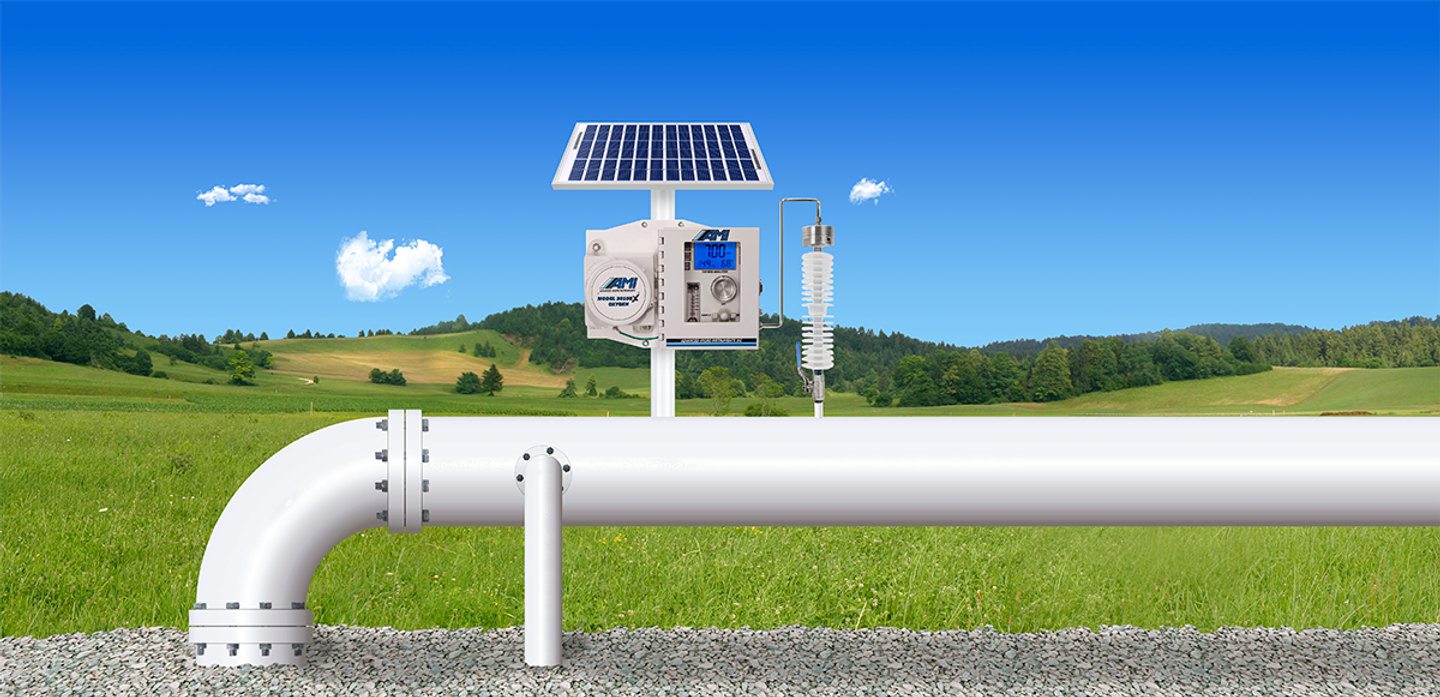
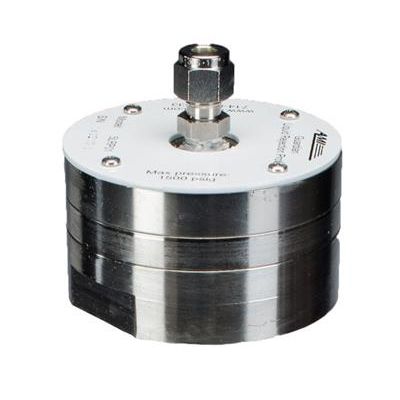
The LRP (liquid rejection probe) contains a spring-loaded membrane filter together with a very sensitive check valve. It is intended for use on a natural gas pipeline to prevent common problems from damaging the analyzer attached to it. It is intended to be mounted on top of a demister.
- Effective particulate and coalescing filter
- Stops liquids from entering the analyzer
- Prevents vacuums from sucking air into the pipeline or analyzer
- No manual drain required
- No bypass flow which means no lost gas
- Regulator available for high pressure applications
The spring-loaded membrane filter uses a hydrophobic membrane that allows vapor to flow through unimpeded, but prevents liquids from flowing. When liquids collect on it, the pressure drop builds up until it becomes large enough to force the spring support plate back onto an o ring, sealing off the sample line and preventing further flow. When the liquids drain away, the pressure drop is reduced and the spring opens the seal back up, allowing flow again. This feature prevents slugs of liquid from entering the analyzer. Such slugs are common when the pipeline is “pigged” – the cleaning device in the pipeline rushes along pushing a tidal wave of collected condensates in front of it, and if they are not prevented from doing so they can get into the analyzer and ruin it. The membrane in the LRP effectively prevents this from happening.
Liquids that collect on the membrane are able to drain back into the pipeline, with no bypass needed and thus no wasted gas. The LRP also contains a very sensitive check valve. It is quite common for a pipeline to be fed by one compressor, and itself to feed into another compressor. If the source compressor is shut down, while the end compressor still runs, the latter will pull a vacuum on the pipeline. If no check valve is in place on the analyzer sampling port, air will be pulled back into the analyzer and thence into the pipeline, causing a potential hazard – an explosive mixture – and also damaging the oxygen sensor in the analyzer.
The check valve effectively prevents this from happening, while simultaneously requiring only a very small cracking pressure in the forward direction.
- Maximum pressure – 125 psig with no regulator
- Maximum pressure – 1500psig
- Dimensions – 3” dia x 2” tall
- Inlet port – ½” FPT
- Output port(s) – ¼” compression fitting.
- Maximum flow rate – 5 SCFH