- Home
- Companies
- Ideal Water Treatment Systems
- Products
- Ozone Sterilization Systems
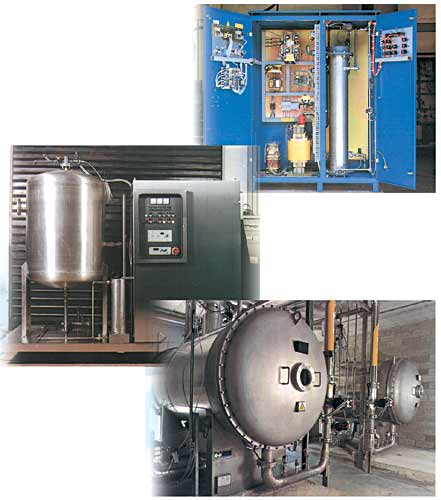
Ozone Sterilization Systems
Ozone (03) is derived from the oxygen in the air or from pure oxygen. There are two widely known methods to produce ozone. First one is the transmission of oxygen molecules to ozone by passing them through the corona sparks formed under high voltage. This is the most valid way to produce high amount of ozone. Thunderbolt arcs are also an important source in the formation of ozone in the atmosphere. The second method is the ozone production by UV rays. The rays spread out by UV lambs seperate some of the oxygen molecules in air current to form ozone.
The Advantages of Ozone:
- Ozone is a good oxidant for organic substances, iron, manganese, amonium and a good disinfectant for bacteria, viruses and microorganisms.
- Though it has a high primary investment cost, in the long run it is economic due to the less consumption of halogens like chrome, brome and the operating and maintenance costs are lower.
- Ozone is a stronger and fast effective oxidant compared to other disinfectants. Contact time is very short.
- Oxygen, carbondioxide and heat release at the end of ozone oxidation and they don`t have any negative effect on health & environment.
- Needs no chemicals. As it has an unstable structure, usage with a permenant oxidant increases the efficiency and oxygen consumption reduces by 50%.
In 1991, American Environment Protection Agency approved that ozone is much more effective than the ordinary disinfectants _ against microbic pollutants including E.coli, Salmonella, Giardia, and Cryptosporidium. For instance ozone can be 300 times more effective than chlorine against Giardia. Ozone destroys the cell membrane of the patoygens instantly and prevent them to regain resistivity against disinfectants. As a result, ozone is effective on pollutants not only faster but also in a larger spectrum.
Besides drinkable water disinfection ozone sterilization units are also used in different areas:
In Swimming Pools and Spas: Ozone is a strong oxidant for many organic substances like soap, sun cream, sweat and chloramines that pollute swimming pools. In a medium where halogens like chlorine and bromine are found ozone would also oxidize ammonia, urine and amino acids.Ozone is also very effective in killing bacteria, viruses, spores and cysts. Ozone is more influencial than chlorine in oxidizing pollutants in water. The filtration system of pools and spas become more efficient as ozone is effective in oxidizing organic substances and has microfloculant effect on them. So, the water will be more limpid, healthy, aesthetic and will not damage the skin or the hair.
In Food Sector: The flexibility in ozone applications is a specific advantage for food industry. Ozone can be used in disinfection and conservation of foods; it disinfects their surfaces in liquid or gas state. The economics of ozone in disinfection;
- It enables a product to stay preserved and fresh for a long time
- It delays the rottening of foods caused by fungus and mould.
- It takes the place of chemical disinfectants like chlorine which have adverse effects.
Ozone is especially preferable for dry and weak foods. In the preservation of fresh products, fruits, cheese, fresh fish and agricultural products ozone systems are successfully used.The use of ozone in food industry is because ozone is 52% more oxidant than chlorine and that it is much more effective than chlorine against larger part of microorganisms. In addition, the strict regulations brought onto the disinfectants remaining over foods and the reduction in water usage makes ozone the strongest rival of chlorine.