

- Home
- Companies
- Komline-Sanderson
- Products
- Komline-Sanderson - Paddle Dryer for ...
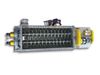
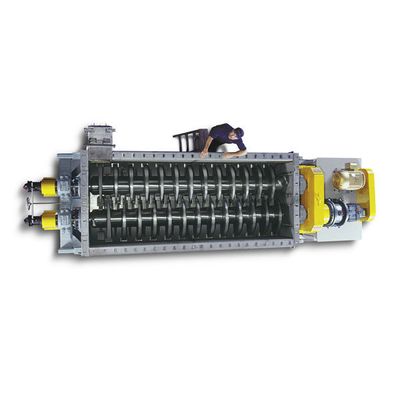
Komline-Sanderson - Paddle Dryer for Biosolids, Sludge and Residuals Drying
The K-S Paddle Sludge Dryer is used worldwide for drying a variety of sludges, biosolids and by-products, to generate dry stable products, reduce disposal cost and convert waste into marketable by-products. In municipal waste water treatment plants (MWWTP) the K-S Paddle Sludge Dryer System produces Class A Biosolids in accordance with the EPA’s 503 regulations allowing the dried granular material to be used beneficially as a slow release fertilizer or soil amendment. Dried waste products have also been used as fuel in boilers and cement kilns.
Dual counter rotating shafts with unique intermeshing wedge shaped paddles produce uniform heating and high heat transfer rates. The use of hollow paddles for heat transfer results in a compact machine. Indirectly heated with steam or circulated thermal fluid (hot oil) the K-S Paddle Sludge Dryer has a thermal efficiency of approximately 98%. Non-condensable gas from the dryer that might require treatment for odors is minimal.
For process/production applications visit K-S Paddle Dryer & Processor
Applications we have experience with:
- Secondary sludges (biological sludges, waste activated sludge – WAS)
- Primary and secondary sludge blends
- Extended aeration sludges
- Anaerobically and aerobically digested sludges, food waste and manure
- Paper mill and recycle mill sludges
- Metal hydroxide and metal sulfide sludges
- Drilling waste (drilling mud and cuttings)
- Refinery waste (K waste) and other oily sludges
- Food processing residuals (Beef, pork, poultry, gelatin plants)
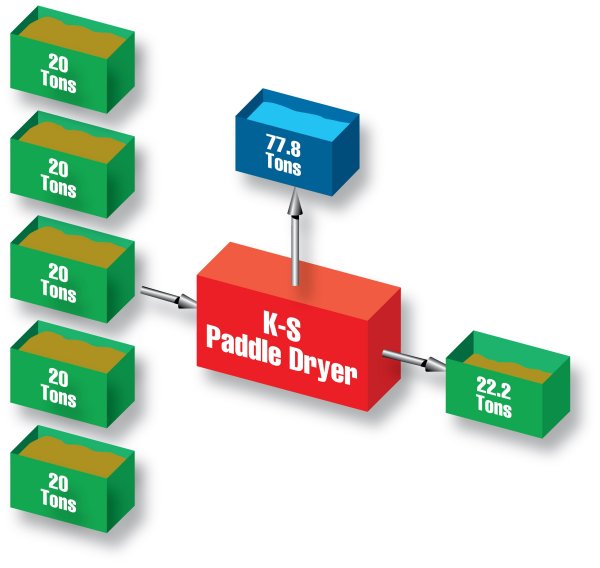
Process objectives include:
- Achieve 90+% dry solids (99+% if desired )
- Produce Class A Biosolids for beneficial reuse of MWWTP sludge
- Achieve intermediate dryness for composting or combustion
- Reduce disposal cost
- Produce stable and marketable by-products
- Increase fuel value
- Re-process residuals and tailings
- Removal of hazardous volatile organic compounds (thermal desorption)
Benefits of the K-S Paddle Dryer and the K-S Indirect Drying System
- High thermal efficiency
- Low quantity of off-gas, facilitating easy permitting
- Cost effective and environmentally sound
- Easy to operate, requiring minimal attention
- Continuous process, no recycle required, no pre-conditioning of the feed
- Can be operated 24 hours per day or a portion of the day
- Safer than direct drying, low oxygen levels during operation
- Durable design, resulting in low maintenance
- Accepts a wide variety of feeds: slurry, paste, cake, granular, or powder
- Enclosed process eliminates fugitive emissions
- Heat transfer areas from 60 to over 3000 square feet (5.6 to over 279 square meters) per dryer
- Evaporation rates for biosolids applications from 500 to 10,000 lbs. of water per hour per dryer.
- System capacities for small, medium and large plants
- Indirectly heated with steam or circulated thermal fluid (hot oil)
- Compact installation
- High turndown ratio with no loss of thermal efficiency
- Designed, constructed, and tested per ASME Code or PED
- Carbon steel, stainless steel, or alloy construction
- Abrasion-resistant hard-surface coatings are available
- Robust design, providing for high torque and low operating speed
- No internal parts to adjust or maintain
- Shafts, bearings, and drive components are designed for long life under adverse conditions, ensuring long-term mechanical integrity
- Control integration provided by K-S
The K-S Paddle Dryer provides a reliable and efficient method for drying filter cakes and centrifuge concentrates. The K-S Paddle Dryer is indirectly heated using steam or circulated thermal fluid (hot oil). High-energy efficiencies and low off-gas volumes are characteristics of a K-S Drying System.
The K-S Paddle Dryer is an indirect heat transfer device that utilizes mechanical agitation to enhance contact with the product being dried. Dual counter-rotating shafts with unique intermeshing wedge-shaped paddles produce intimate mixing, optimize heat transfer, and provide a self-cleaning effect.
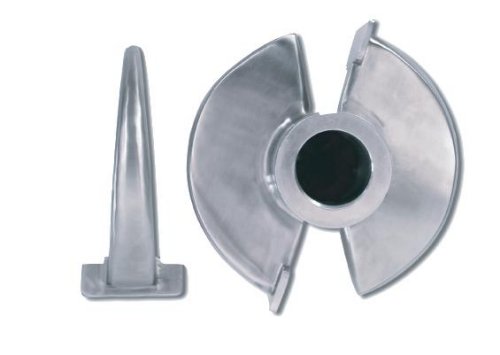
A large heat transfer area to volume ratio is achieved by the use of heated hollow paddles and a jacketed trough, through which the heating medium flows. This results in a compact machine requiring less space and having lower installation cost than alternate drying technologies.
Indirect dryers have a metal wall that separates the process mass from the heat source. High thermal efficiency is obtained because the heat from the heating medium goes directly into the process mass. As the material comes into contact with the heated trough and agitators, the process mass is heated via conduction. The insulated dryer has very little heat loss.
The K-S Paddle Dryer transports material, regardless of its handling characteristics. The dryer easily accepts feeds with a wide range of feed solids concentrations. Pre-conditioning the feed by mixing with recycled dried product, to make it conveyable is not required. This results in a safer operation and lower capital, operating, and maintenance costs.
Material is conveyed through the K-S Paddle Dryer by displacement. As material is added to the dryer, it is assimilated into the bed by the mixing action of the agitators. Hydraulic head pressure, combined with the action of the wedge-shaped paddles, pushes material around the paddles.
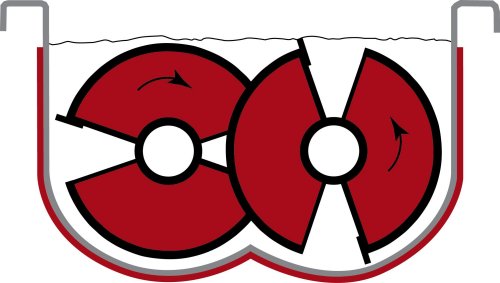
As sludges dry they go through a number of transitions in handling characteristics. These changes are directly related to the solids content. For example, extremely wet sludges and extremely dry sludges require substantially less torque than sludges in the plastic-sticky-phase, when high torque is required. The K-S Paddle Dryer is designed with high torque capabilities to increase its process flexibility. Extra torque keeps you on-line, even during upset conditions.
No external sweep gas is required. Exhaust gas is minimal and at a low temperature. Therefore, the volume of non-condensable gas from the dryer that may require treatment for odors is minimal.
K-S process and project engineers provide assistance at all phases of the project. Depending on your specific requirements, K-S can provide you with a dryer, or a complete system.
A successful plant depends on the integration of the key process units with properly selected ancillary equipment and the right facility design. Reliability, ease of operation, rugged construction, proven performance, and superior customer service are all hallmarks of a K-S installation.
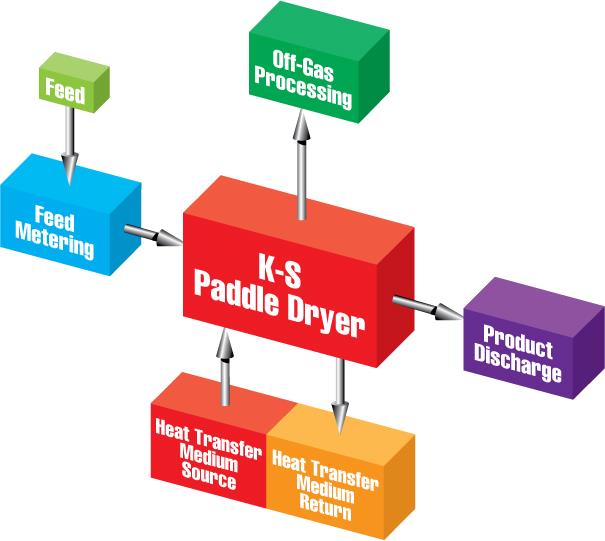
Safety features must be part of the system design. The indirectly heated K-S Paddle Dryer operates with an inert low temperature environment. Gas (air) is not used to convey a hot product in the dryer. The totally enclosed process eliminates fugitive emissions.
Low temperature operation creates a safer operation when processing combustible materials. For inert material and for thermal desorption higher temperatures are used.
When needed deflagration vent panels are incorporated into the dryer cover. These are ducted outside of the building. An automatic water deluge system can be incorporated into the dryer to cool combustible material, in the event of a high temperature condition. Inerting the dryer with inert gas is also an option.
Biosolids Drying Systems Overview