
- Home
- Companies
- WEHRLE-WERK AG
- Products
- WEHRLE P-XTRACT - Process Recovery of ...
WEHRLE P-XTRACT - Process Recovery of Phosphorus from Sewage Sludge
P-XTRACT® combines the energy recovery of sewage sludge with the recovery of phosphorus from sewage sludge from wastewater treatment plants. The P-XTRACT® process is used to create a marketable sewage sludge fertilizer with high plant availability that enables the valuable resource of phosphorus to be recovered. The P-XTRACT® process is based on the proven technology of fluidized bed incineration of sewage sludge with the addition of certain (earth) alkali additives and special fluidized bed material. The two-stage combustion in a reducing and oxidizing atmosphere increases the transfer of heavy metals into the gas phase, so that the P-containing ash in the flue gas is entrained as fly ash and separated from the flue gas at the highest possible temperatures > 700 °C. Heavy metals remain mainly in the gas phase and are separated at lower temperatures in the subsequent flue gas cleaning process.
P-XTRACT® is the extension of WEHRLE's K3 fluidized bed technology for sewage sludge to meet the legal requirements for P recovery, which will come into force for the first sewage treatment plants from 2029. The special feature of the K3sludge technology for decentralized or regional sewage sludge mono-incineration is the separation of the phosphorus ash in a temperature window of 700 - 750 °C and thus at a point where most pollutants are still gaseous. Due to the special process conditions in the fluidized bed and the downstream hot gas cyclone for separating the flyable, phosphorus-containing recyclable ash, the following process features of P-XTRACT should be emphasized:
>80% phosphorus recovery rate from sewage sludge incineration
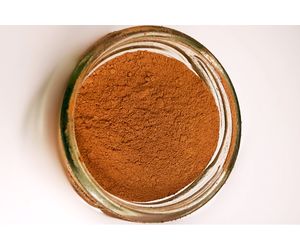
The phosphorus recovered from the sewage sludge ash can be processed and used regionally as fertilizer. It has a high plant availability resulting from fuel conditioning, additive addition and combustion management. Thanks to the clever combination of processes, P-XTRACT satisfies a considerable proportion of the long-term phosphorus requirement.
High elimination of pollutants through the addition of certain (earth) alkali additives
The admixture of additives produces volatile heavy metal compounds in the ash, which pass into the gas phase due to the high process temperatures. The ash is then separated in the hot gas cyclone at over 700 °C so that heavy metal compounds cannot precipitate again. The volatile heavy metals are safely removed in the downstream flue gas cleaning system.
Perspective: Low disposal costs due to P-XTRACT® ashes removed from pollutants
The reduction in disposal costs is achieved on the one hand by minimizing the amount of waste to be landfilled and on the other hand by producing a saleable recyclable material that can be recovered from incineration. The prerequisite for this is that the recovered recyclable material is accepted by potential fertilizer manufacturers, or that legal changes to the Fertilizer Ordinance increase the acceptance of the generated recyclable material.
Until the mandatory phosphorus recovery takes effect in 2029, operators should tend to incur lower disposal costs due to the lower landfill class for the clean recyclable ashes.
Reduced traffic emissions & pollution through regional recycling approach
The local recycling approach minimizes emissions and the traffic load caused by sewage sludge transport in relation to the overall performance of the plant technology. The simple, local processing option promotes a regional fertilizer production concept.
Reduced need for chemicals
The production and further processing of the ashes into a direct phosphorus fertilizer requires fewer process steps compared to other methods such as acid digestion, and therefore less use of chemicals and energy.
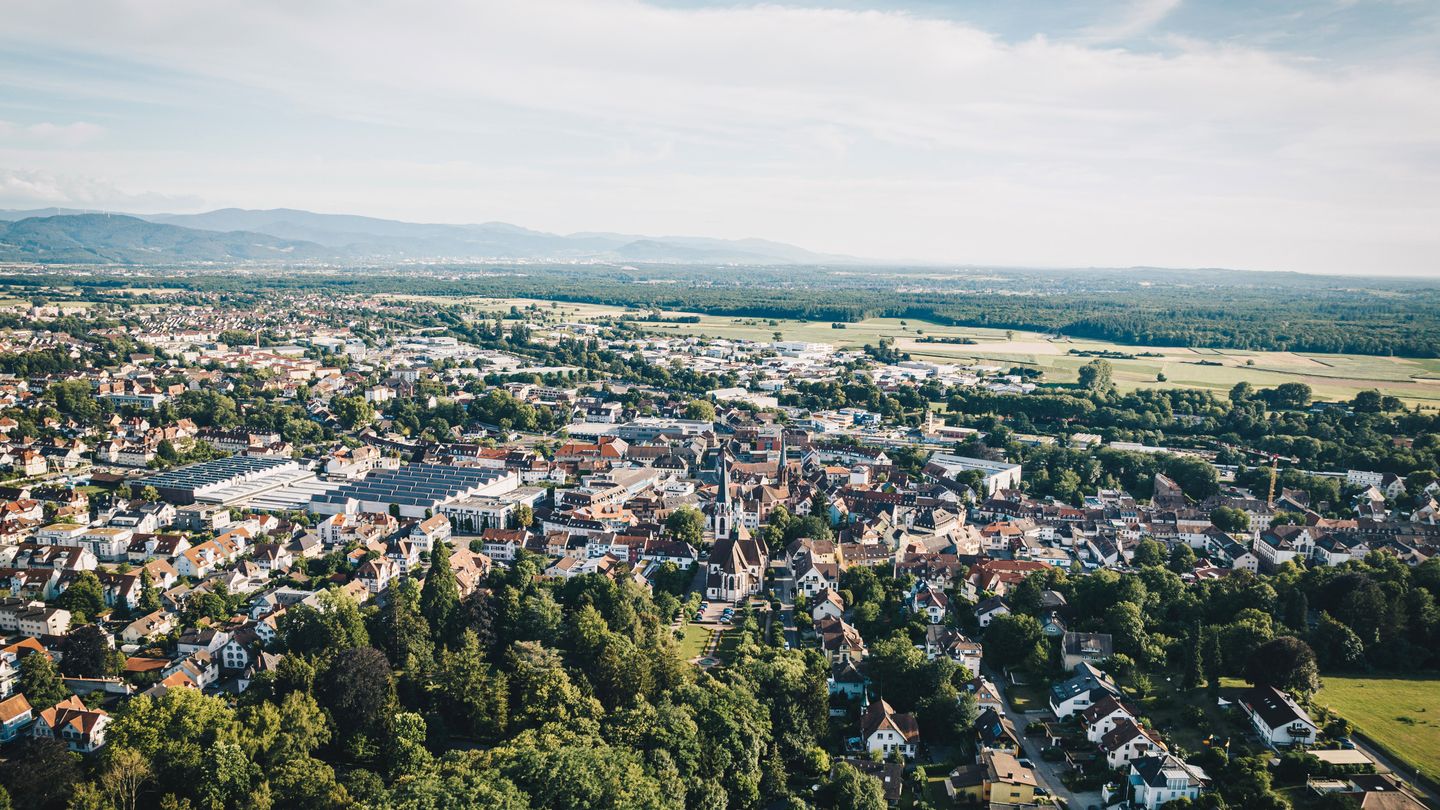
The P-XTRACT® process is being used in practice in a pilot project of the Staufener Bucht wastewater association in Bad Krozingen, South Baden. The demonstration plant with 1 MWth processes approx. 11,200 tOS/a of mechanically dewatered sewage sludge, with a high degree of energy self-sufficiency at the same time.