
- Home
- Companies
- Pollution Systems Inc.
- Products
- Pollution Systems - Regenerative ...
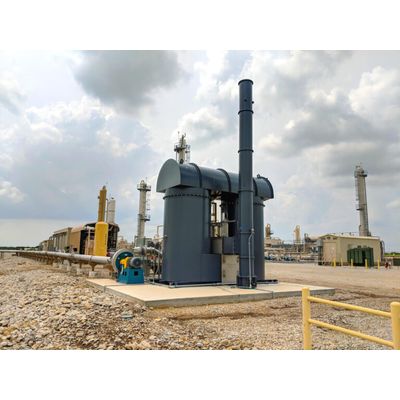
Pollution Systems - Regenerative Thermal Oxidizers for Industrial Applications
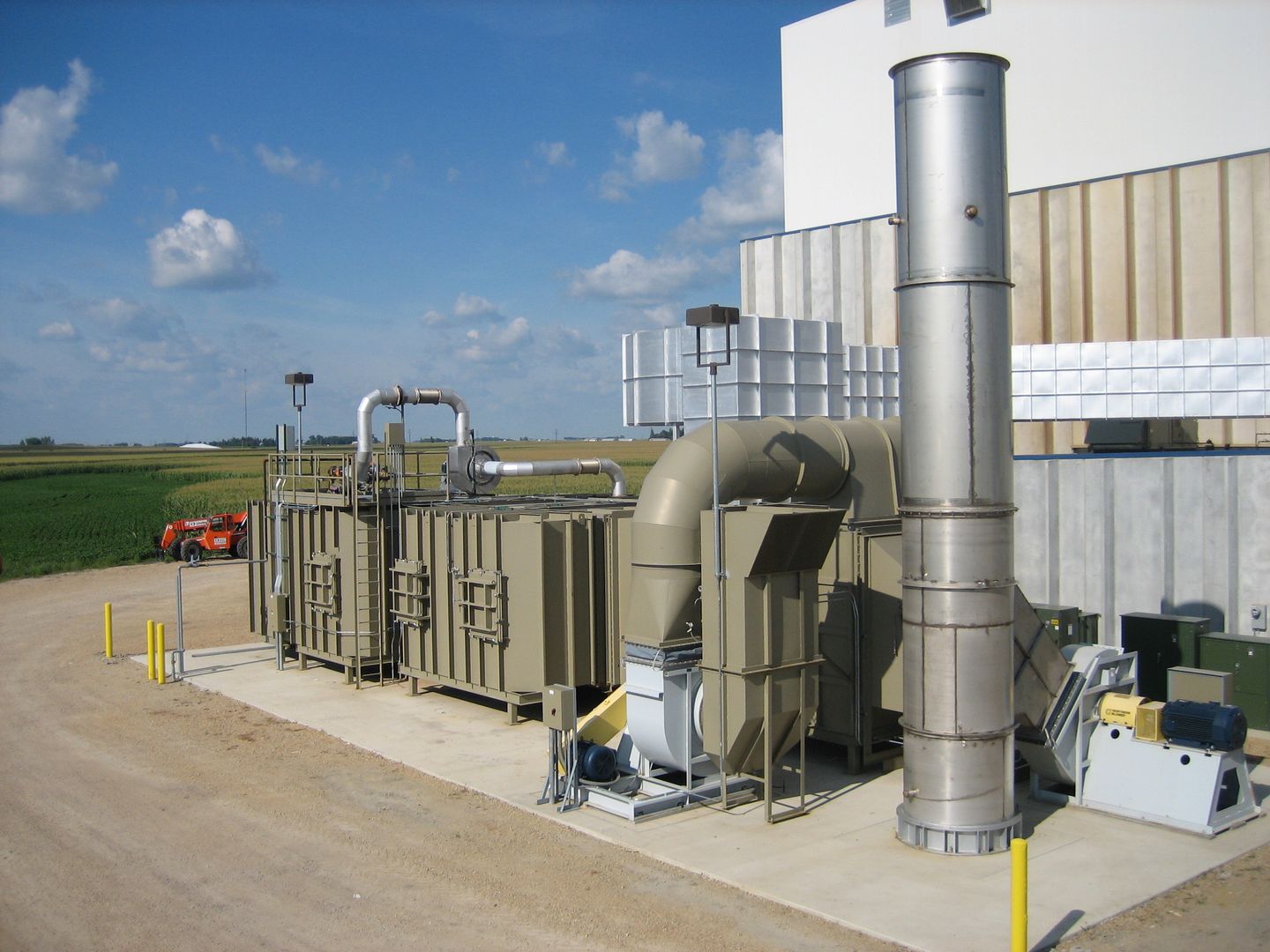
Regenerative Thermal Oxidizers (RTOs) use combustion to achieve high destruction efficiencies for hazardous air pollutants (HAPs) and volatile organic compounds (VOCs), making them particularly suitable for large air flow processes. These systems effectively handle air volumes exceeding 5,000 standard cubic feet per minute (SCFM) and are designed to destroy targeted pollutants while reusing excess heat from organic material combustion. This makes RTOs beneficial in applications with high waste stream flow rates and low VOC concentrations. Commonly applied in sectors such as paint booths, automotive, ethanol production, and pharmaceuticals, RTOs offer substantial benefits when correctly specified for these environments. Their detailed design consideration allows them to handle significant air volumes efficiently and cost-effectively without the inclusion of particulate. Despite their widespread use, appropriate application is critical to exploit their benefits fully.Regenerative Thermal Oxidizers (RTO) use combustion to achieve high destruction efficiencies for HAPs and low concentrations of VOCs in large air flow streams.
Regenerative thermal oxidizers use combustion to destroy the targeted pollutants within an air stream and reuse the excess heat generated during the combustion of organic materials. They are best suited for applications with high waste stream flow rates and accompanying low VOC concentrations and little to no particulate. The design of RTOs makes them well-suited for high air volumes of 5,000+ SCFM. Although commonly misapplied due to their popularity, they carry benefits for the proper applications.
- Can have lower energy consumption than other emission control technologies
- Appropriate for process applications with lower concentrations of Volatile Organic Compounds (VOCs)
- Energy efficiency can be ≥95% due to heat recovery
- Destruction rate efficiencies of over 98% are reasonably achievable
RTOs are especially effective for paint booths and coating processes, automotive applications, ethanol production, and pharmaceuticals, but are applicable to many industries.